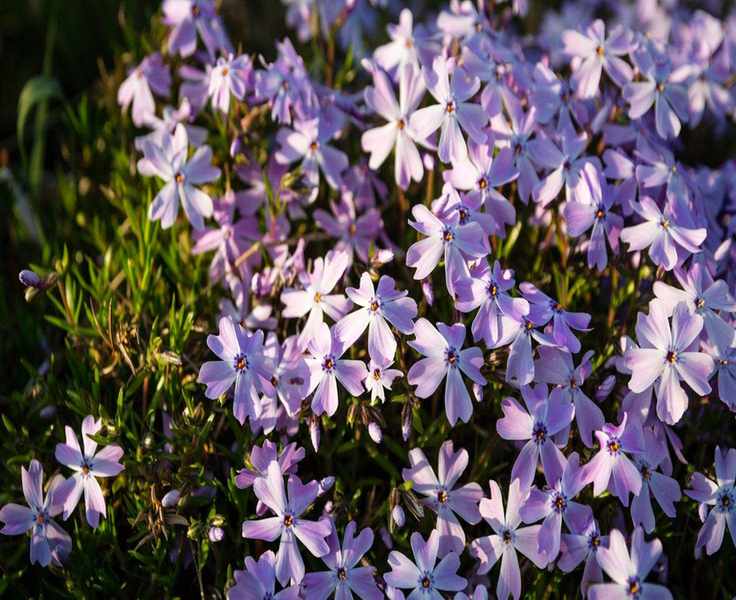
Creeping phlox is a charming perennial that often graces walls, blankets slopes, or fills gaps between stones. Its resilience stands out, thriving in challenging spots and creating a vibrant quilt of colors like pink, purple, white, and even blue.
The term 'creeping phlox' refers to several low-growing species, with Phlox subulata and Phlox stolonifera being the most common. These two North American natives are exceptionally hardy and can produce spectacular blooms from spring through early summer.
If you're looking for an excellent perennial to cover a slope or soften rocky areas, knowing how to grow phlox is essential. I've observed its beauty in cottage gardens, rockeries, and even in the most unlikely spaces, where it flourishes.
Growing Creeping Phlox
Creeping phlox is among the top perennials for vibrant spring and summer displays. Who wouldn't love borders adorned with sheets of jewel-like blooms?
The fantastic news is that growing creeping phlox is straightforward. Once established, it requires minimal care, primarily sunlight and well-draining soil.
Growth Characteristics of Creeping Phlox
According to plant expert Lauren Carvalho, ground cover plants are a favorite of hers. 'They are the true workhorses of the garden.'
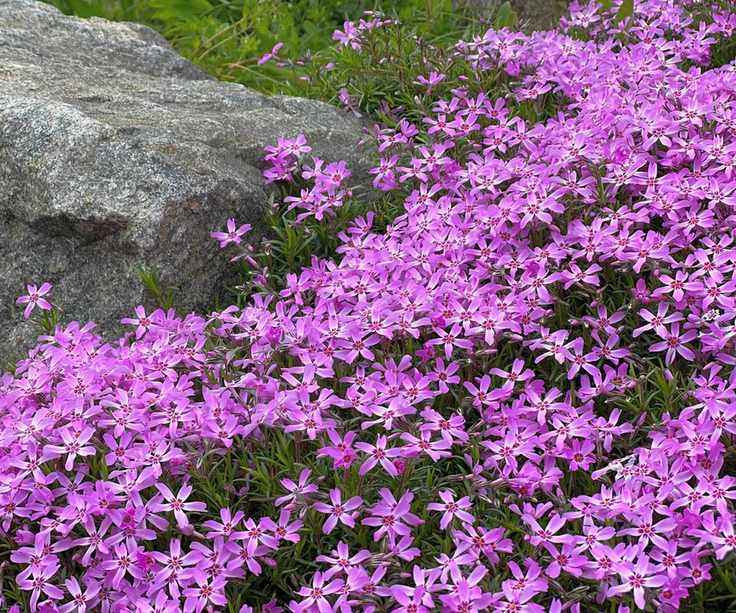
Lauren believes creeping phlox is one of the finest options. It unifies design elements while adding color and texture to borders and paths, thriving in crevices where other plants may struggle.
These two native species, Phlox subulata and Phlox stolonifera, are hardy to zone 5 and can flourish in northern climates, given they have some sunshine.
Lauren notes that this lovely ground cover not only suppresses weeds but also benefits pollinators significantly.
One standout variety is Phlox nana 'Perfect Pink', native to southern North America. It blooms in spring, creating a lovely pink carpet that attracts butterflies and moths.
You can purchase live pink creeping phlox plants on Amazon.
Creeping Phlox Care Tips
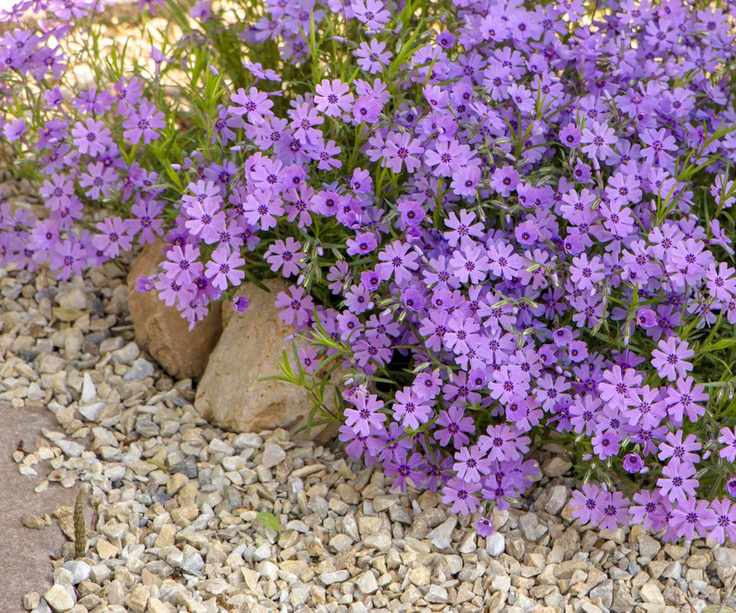
Soil: From my experience, creeping phlox adapts well to various soils, including rocky or poor types, as long as drainage is good. Mulching in the fall can enhance soil quality.
Light: In warmer areas like zone 9, creeping phlox thrives best with some shade, ideally a few hours of sunlight each day while avoiding harsh afternoon rays. In cooler zones, like zone 5, full sun is optimal for maximum blooms.
Watering: Like most perennials, creeping phlox benefits from occasional watering. They prefer deep watering every few days, especially during hot summers, particularly in their first year as they acclimate.
Fertilizing: Generally, creeping phlox does not need additional fertilization. However, if desired, an organic all-purpose fertilizer from Amazon can be used in early spring. Remember, less is more – a light application works best.
Pruning: After blooming, usually in late summer, trim faded flowers to maintain appearance. Leave stems and leaves through fall and winter, then cut back any brown or yellow foliage in early spring before new growth appears.
Toxicity: Both Phlox subulata and Phlox stolonifera are considered non-toxic to humans and pets.
Common Questions
Can I Grow Creeping Phlox in Pots?
Absolutely! Creeping phlox can thrive in containers, but it typically excels when allowed to spread in borders. If using pots, choose wide containers and a gritty, well-draining mix, and consider placing them beneath larger shrubs or trees in sun or part shade. Keep them well-watered in the hotter months.
Once established in your garden, creeping phlox is easy to manage. If it becomes too dense or spreads too much, simply lift and divide clumps in the fall.
For further insights, check out our guide on how to divide plants for expanding your phlox collection. You might even share a divided plant with a fellow gardening enthusiast.
Shop Flower Accessories
Touchscreen Garden Gloves
These gloves are ideal for challenging tasks like planting and pruning creeping phlox.
Creeping Phlox Live Plant
This creeping phlox variety features delicate pink flowers that will brighten your backyard borders come spring and summer.
Hori Hori Garden Knife
This knife, with its long blade, is perfectly designed for weeding around your phlox plants.