Being a woman comes with its own unique rhythm, with each cycle phase bringing distinct changes. These hormonal shifts mean your body is never quite the same throughout the month, making it essential to align your habits with your natural cycles. Enjoying cycle syncing recipes can help you harmonize your nutrition with these fluctuations, promoting overall well-being.
Cycle syncing recipes are rooted in the understanding that our hormones continuously change. By monitoring your cycle, you can adapt your diet to meet these evolving needs. This practice encourages you to create meals that support your body's requirements throughout the month, enhancing balance and health.
If you're eager to learn more about cycle syncing and how to balance hormones naturally, read on as we explore tracking your cycle and crafting recipes that resonate with each phase.
Featured image from our interview with Jules Acree by Michelle Nash.

Getting Started
Women's health and hormones are constantly evolving. Current medical knowledge can shift, and many aspects still lack extensive research. However, the concept of cycle syncing feels intuitive and encourages listening to your body.
Understanding our bodies benefits all women. This article focuses on dietary choices throughout each cycle phase. Don't forget to also consider how you move and care for your skin. For further insights, check out information on cycle syncing workouts and skincare.

Cycle Syncing Essentials
You've likely encountered cycle tracking apps. I suggest CLUE, but nearly any app will suffice. It's crucial to understand your cycle's pattern over the month.
Compare your cycle data to the information provided here, and start identifying where you are in each phase. The most accurate insights will emerge after tracking for three to four months.
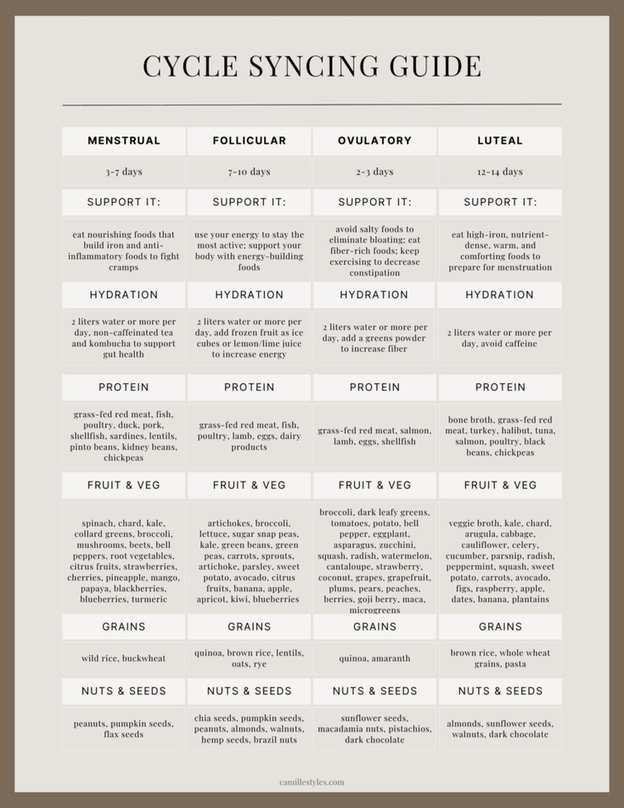
Download our Cycle Syncing Guide below to equip yourself with essential information to thrive in every phase of your cycle!
The Menstrual Phase (Days 1-5)
During your menstrual phase, the uterine lining sheds. Hormone levels are at their lowest at the cycle's start before gradually increasing. You may feel more introspective, slow, and in need of rest.
Recommended Foods
Focus on nourishing foods high in iron, support absorption, and are anti-inflammatory to alleviate cramps. Stay hydrated by drinking plenty of water during this time.
Hydration: Aim for over two liters of water daily and hydrate with non-caffeinated teas. Incorporate kombucha for gut support, which can be affected during menstruation.
Protein Sources: Include grass-fed red meat, fish, poultry, duck, pork, shellfish, lentils, pinto beans, kidney beans, and chickpeas.
Fruits and Vegetables: Opt for spinach, chard, kale, collard greens, broccoli, mushrooms, beets, bell peppers, root veggies, citrus fruits, strawberries, cherries, pineapple, mango, papaya, blackberries, blueberries, and turmeric.
Grains: Wild rice and buckwheat.
Nuts and Seeds: Peanuts and pumpkin seeds.

Menstrual Phase Recipes
- Grapefruit, Avocado, and Golden Beet Salad with Crunchy Chickpeas and Feta
- Salmon Crudo with Ginger & Lime
- Mushroom Toast with Arugula & Lemon
- One-Pot Vegetarian Lentil Chili
- Curcuma Golden Mylk
Movement Recommendations
Engage in low-impact activities like walking, yoga, or pilates. If you desire more intensity, consider strength training and HIIT.

The Follicular Phase (Days 6-13)
This phase sees your body preparing to release an egg. Estrogen and testosterone levels rise, making you feel confident and energetic, with quick thinking and movement.
Recommended Foods
Fuel your body with energy-boosting foods rich in vitamins and nutrients. Stay well-hydrated to match your active lifestyle.
Hydration: Drink at least two liters daily. Enhance your water with frozen fruit or citrus juices for an energy boost.
Protein Sources: Include grass-fed red meat, fish, poultry, lamb, eggs, and dairy.
Fruits and Vegetables: Choose artichokes, broccoli, lettuce, sugar snap peas, kale, green beans, carrots, sprouts, parsley, sweet potatoes, avocados, citrus fruits, bananas, apples, apricots, kiwis, and blueberries.
Grains: Quinoa, brown rice, lentils, oats, and rye.
Nuts and Seeds: Chia seeds, pumpkin seeds, peanuts, almonds, walnuts, and hemp seeds.
Follicular Phase Recipes
- Spicy Chili Lime Miso Broccoli
- Avocado Toast with Kale Pesto and Crunchy Veggies
- Charred Sweet Potatoes With Dates and Arugula
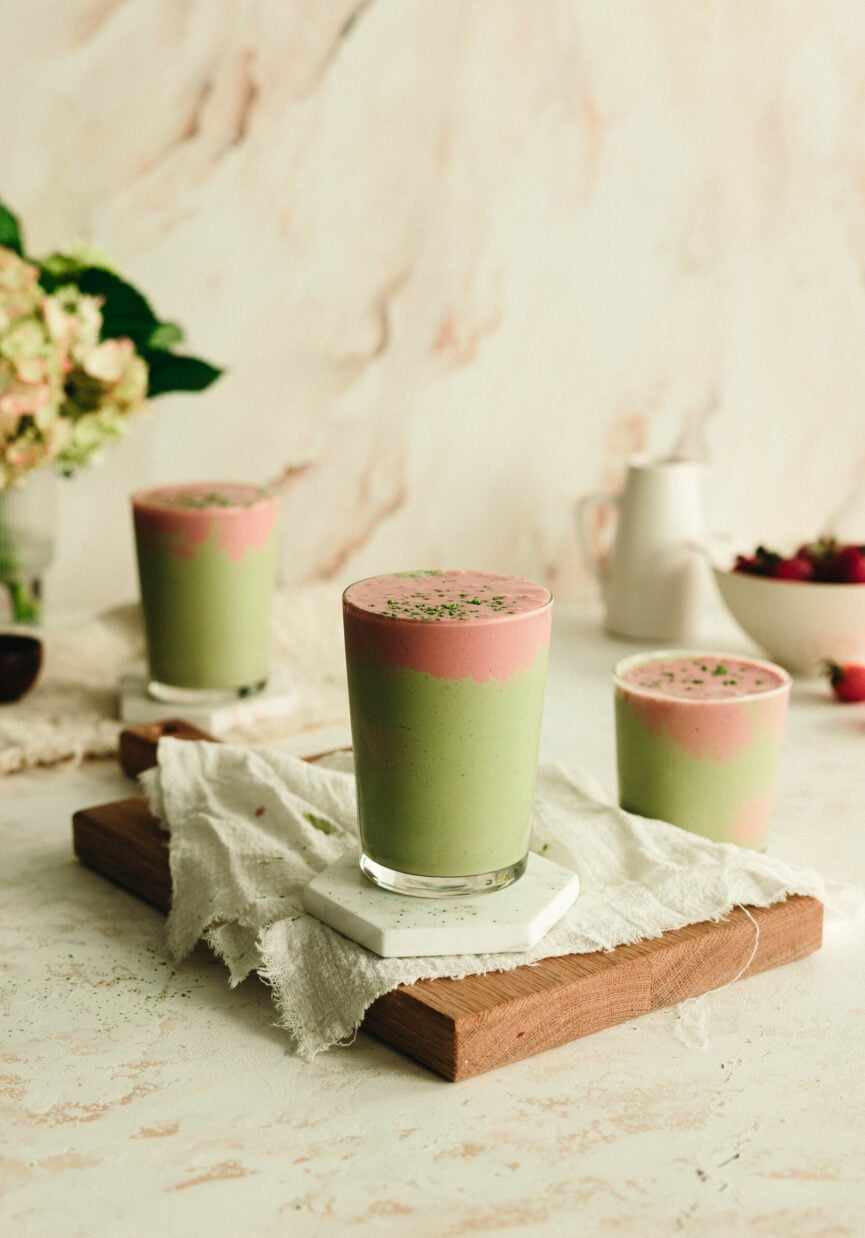
- Strawberry Matcha Smoothie
- Snap Pea Salad
Movement Recommendations
Utilize your high energy levels for intense workouts. Engage in various activities, focusing on weight training and HIIT if muscle building is your aim.
The Ovulatory Phase (Day 14)
Your body releases an egg during this phase, characterized by high levels of estrogen and testosterone, leading to feelings of sociability and excitement. After ovulation, progesterone increases, causing potential sluggishness and discomfort.
Pay attention to your body. When ovulation approaches, embrace the outgoing energy. If you feel a dip in energy afterward, prioritize rest and relaxation.
Recommended Foods
Minimize salty foods to reduce bloating, increase fiber intake, and stay well-hydrated with high-water-content foods.
Hydration: Consume at least two liters daily, adding greens powder to enhance fiber content.
Protein Sources: Include grass-fed red meat, salmon, lamb, eggs, and shellfish.
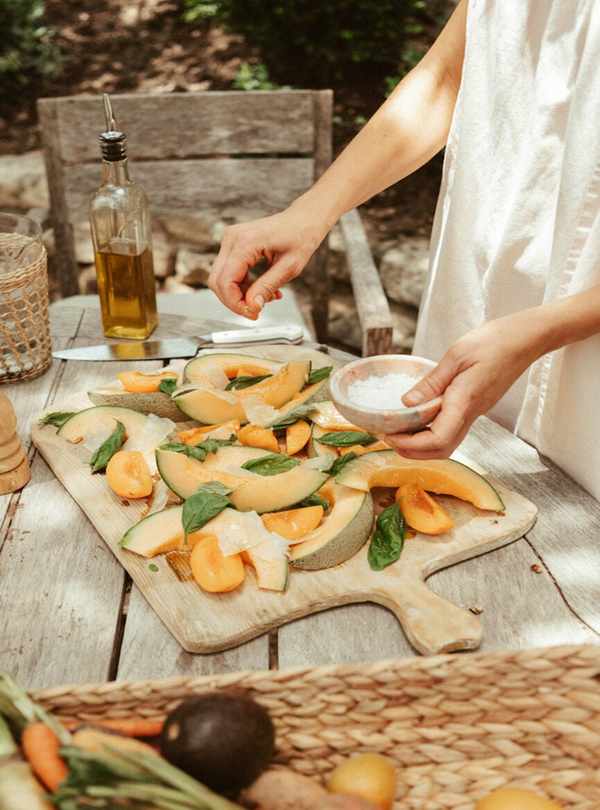
Fruits and Vegetables: Incorporate broccoli, dark greens, tomatoes, potatoes, bell peppers, eggplant, asparagus, zucchini, squash, watermelon, cantaloupe, strawberries, coconut, grapes, and pears.
Grains: Quinoa and amaranth.
Nuts and Seeds: Sunflower seeds, macadamia nuts, pistachios, and dark chocolate.
Ovulatory Phase Recipes
- Burst Tomato Pasta
- Ricotta with Pears and Honeyed Pistachios
- Healthy Flatbread Pizza with Eggplant and Ricotta
- Grilled Salmon with Stone Fruit Salsa
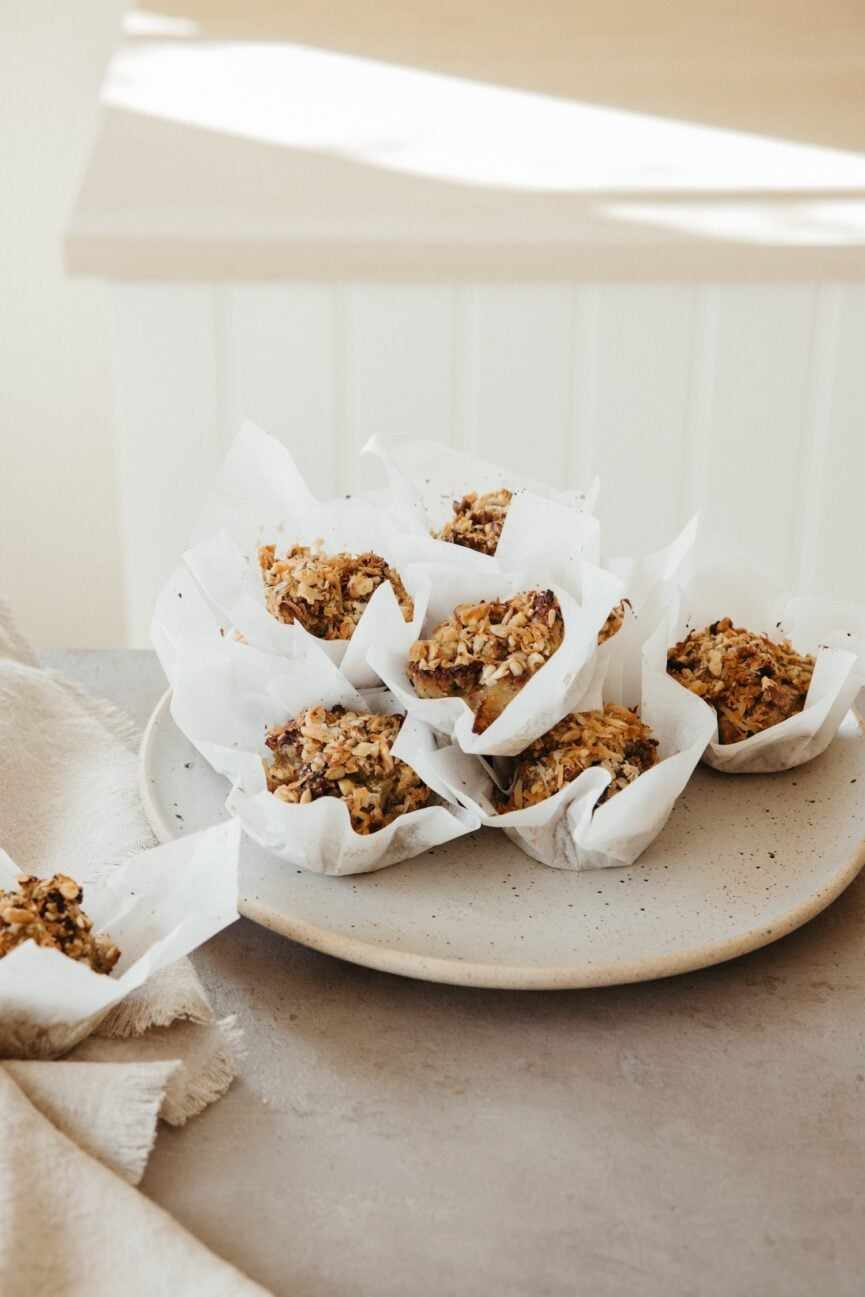
- Grain-Free Zucchini Muffins with Chocolate Chunks
Movement Recommendations

The Luteal Phase (Days 15-28)
If fertilization occurs, the luteal phase supports implantation in the uterus. If not, the egg breaks down, and your body prepares for another cycle.
For the first week, you may feel stable energy, but it typically declines over the next two weeks. If pregnancy doesn't happen, hormonal fluctuations can lead to PMS symptoms, including mood changes and cravings for comfort foods.
Recommended Foods
Listen to your body and embrace this phase. Satisfy your cravings as they serve a purpose—preparing for menstruation. Focus on nutrient-dense, soothing foods.
Hydration: Drink two liters daily and avoid caffeine to prevent dehydration.
Protein Sources: Include bone broth, grass-fed red meat, turkey, salmon, tuna, poultry, and beans.
Fruits and Vegetables: Choose veggie broth, kale, arugula, cabbage, cauliflower, celery, parsnip, radish, peppermint, sweet potatoes, carrots, and bananas.
Grains: Opt for brown rice and whole wheat options.
Nuts and Seeds: Almonds, walnuts, sunflower seeds, and dark chocolate are great choices.
Luteal Phase Recipes
- Roasted Honeynut Squash with Hot Honey, Pecans, and Rosemary
- Charred Cabbage With Cashew Cream
- Roasted Cauliflower Salad
- Simple Zucchini Pasta
- Raspberry Cocoa Energy Balls
Movement Recommendations
Different movement types suit the early and late luteal phases. In the early phase, engage in moderate intensity cardio, while in the later phase, switch to lower-impact activities like yoga and walking as energy levels wane.
Final Thoughts on Cycle Syncing
Remember: this guidance serves as a framework. These suggestions can be helpful, but embrace flexibility and kindness toward yourself. Prioritize tuning in and practicing self-love as the essence of cycle syncing.
30 Simple Delights to Add to Your June Calendar