
Protein is becoming a priority. Many women are focusing on their health, recognizing that protein is essential for feeling strong, balanced, and energetic. With the abundance of differing advice, it's natural to wonder: How much protein do I need each day? Whether you're supporting hormonal health, building muscle, or aiming for satiety, knowing your protein requirements is vital. Spoiler alert: You might need more than you realize.
We'll explore how to determine your protein needs, signs of insufficient intake, and ways to incorporate this vital nutrient into your daily meals.
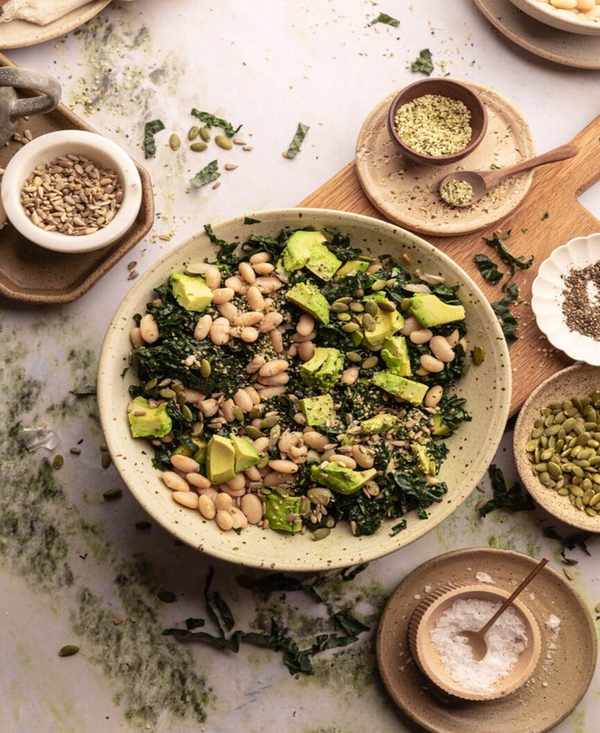
Featured image by Suruchi Avasthi.
- Why is protein important for women?
- Will eating more protein make me bulky?
- How much protein do I need each day?
- How to Calculate Your Protein Needs
- Signs You Might Not Be Getting Enough Protein
- Not All Protein Sources Are Equal
- The Best High-Protein Foods to Eat
- How to Add More Protein to Your Day
- The Takeaway
Why is protein important for women?
Despite its numerous health benefits, protein is often overlooked and misunderstood in women's diets. Research indicates that many women fail to consume enough protein to meet their body's requirements. This is concerning, as protein plays a significant role beyond just keeping you full. It's crucial for:
- Building and preserving lean muscle
- Maintaining hormone balance
- Regulating blood sugar
- Curving cravings
- Enhancing hair, skin, and nail health
- Boosting metabolism and aiding in weight management
- Supporting bone density
Moreover, it's vital for tissue repair, immune health, and fertility. In short, a lack of protein means your body notices.
Will eating more protein make me bulky?
Let's clear up this prevalent myth: Increased protein intake won't lead to bulkiness. Women typically don't produce enough testosterone to easily develop large muscles. Achieving a muscular physique necessitates rigorous weight training and a significant caloric surplus. For most women, consuming more protein will foster strength, tone, and energy—not bulk.
How much protein do I need each day?
There's no one-size-fits-all answer to this question. Your protein requirements depend on your weight, activity level, and health objectives. For healthy adults, the recommended daily intake is about 0.8 grams of protein per kilogram of body weight—or roughly 0.36 grams per pound. This means a sedentary woman weighing 150 pounds needs around 55 grams of protein daily. However, most experts suggest these figures are too low since they only prevent deficiency—not promote optimal health.
If you're active, pregnant, or aiming to build muscle or lose weight, professionals recommend 1.2 to 2.2 grams of protein per kilogram of body weight. A female athlete or pregnant individual weighing 150 pounds might require up to 130-150 grams of protein daily.
Quick Reference Guide:
| Goal/Condition | Protein Requirements |
|---|---|
| General health | 0.8 g/kg body weight |
| Active lifestyle | 1.2–1.6 g/kg |
| Muscle maintenance or fat loss | 1.6–2.2 g/kg |
| Pregnancy or postpartum | 1.2–2.0 g/kg |
How to Calculate Your Protein Needs
To determine your protein needs, use the following method or check out this macro calculator.
- Convert your weight to kilograms: Divide your weight in pounds by 2.2
- Multiply by your activity level:
- Sedentary: 0.8–1.0 g/kg
- Moderately active: 1.2–1.6 g/kg
- Very active/pregnant: 1.6–2.2 g/kg
Next, divide the total by the number of meals and snacks you typically consume each day. Most people average around 20-30 grams of protein per meal. It's advisable to consult a health coach or trainer for tailored protein guidelines.
Signs You Might Not Be Getting Enough Protein
Wondering if you're meeting your protein needs? A few indicators include feeling satisfied after meals, recovering well from workouts, and not experiencing constant sugar cravings. However, be alert for these signs of inadequate protein intake:
- You feel hungry frequently. Protein acts as fuel. It's one of the three macronutrients alongside carbs and fats. Studies indicate that protein-rich foods keep you fuller longer.
- Your hair, skin, and nails are brittle. These components are made from proteins like elastin, collagen, and keratin. Insufficient protein can lead to hair thinning, dry skin, and ridges on nails.
- You feel fatigued or weak. Research shows that just a week of low protein intake can affect the muscles critical for posture and movement, especially for those over 55. Over time, inadequate protein can lead to muscle loss, reduced strength, and a slower metabolism.
- Your mood fluctuates. Neurotransmitters, which your brain uses for communication, are made from amino acids—protein's building blocks. A protein deficiency could hinder neurotransmitter production, resulting in low dopamine and serotonin levels.
Not All Protein Sources Are Equal
When evaluating protein's nutritional value, we consider the amount of essential amino acids it contains. Different foods offer varying levels of these acids. Animal proteins (like chicken, beef, fish, and dairy) provide all nine essential amino acids and are termed complete proteins. Some plant foods, such as soy products, quinoa, amaranth, Ezekiel bread, spirulina, nutritional yeast, hemp seeds, and chia seeds, also contain all nine.
Other plant proteins—like beans, lentils, and nuts—are close to complete but require a varied diet for all essential amino acids.
The Best High-Protein Foods to Eat
Not all proteins are equal. Complete proteins contain all nine essential amino acids your body requires. Here's how to obtain them:
Animal-Based Protein Sources (complete proteins):
- Chicken, turkey, and lean beef
- Eggs
- Greek yogurt and cottage cheese
- Fish and shellfish
Plant-Based Protein Sources:
Check out our favorite high-protein vegetarian recipes or include these in your meals:
Complementary: Beans, lentils, nuts, seeds, whole grains (combine for all essential amino acids)
Complete: Tofu, tempeh, edamame, quinoa, amaranth, chia seeds, hemp seeds, spirulina

How to Add More Protein to Your Day
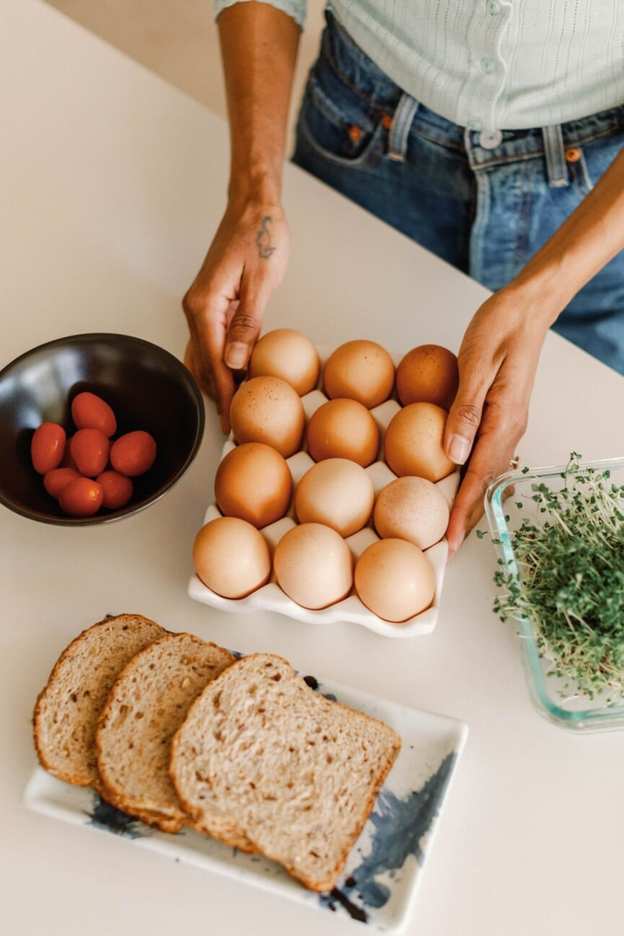
Wondering how to boost your protein intake? Start by including a protein source in every meal and snack. It doesn't have to be complicated—try these budget-friendly high-protein recipes. Here are some simple swaps:
- Breakfast: Eggs, cottage cheese, Greek yogurt, protein smoothies with collagen or nut butters, or any of these high-protein breakfast ideas.
- Lunch: Toss grilled chicken, tuna, chickpeas, or tempeh into salads or grain bowls.
- Dinner: Pair fish, steak, or tofu with veggies and a whole grain.
- Snacks: Hard-boiled eggs, hummus with crackers, string cheese, or protein bars.
There's no need for a complete diet overhaul—just focus on centering your meals around a solid protein source.
The Takeaway
To enhance your energy, strength, metabolism, and hormonal health, protein is essential. The great news? Meeting your daily protein requirements can be simple—it just requires a bit of planning. Whether your goal is weight loss, muscle gain, or feeling your best as you age, the right protein intake is a game changer.
Key Points:
- Strive for 20–30 grams of protein per meal
- Most women require 80–120 grams daily, based on lifestyle and goals
- Protein aids in hormonal balance, metabolism, muscle, and mood
- Emphasize both complete and varied protein sources
Now you're set to energize your day, one protein-rich meal at a time.