
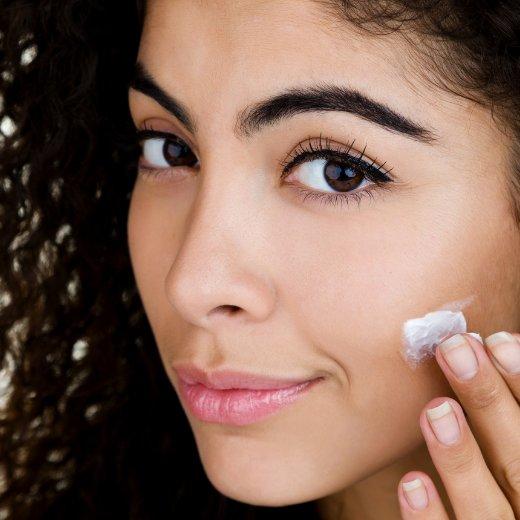
Skin care often faces a barrage of myths and misunderstandings. Many seek that elusive combination for youthful, glowing skin, but not everything you hear is accurate. Here, we clarify common myths surrounding skin care products.
1. Moisturizers Worsen Oily Skin
This is a widespread belief. Some think that if moisturizers aid dry skin, they must exacerbate oily skin. However, this is a misconception. Oily skin can result from overactive oil glands reacting to perceived dryness, leading to excess oil production. Using a moisturizer can actually help balance hydration levels. Opt for oil-free options to maintain moisture without increasing oiliness.
2. Higher SPF Equals Better Protection
While it’s true that higher SPF numbers provide more sun protection, the difference becomes negligible after SPF 30. Here’s the breakdown: SPF 30 allows 1/30 of sun rays in, blocking about 96.67% of radiation, while SPF 45 lets in 1/45, blocking around 97.78%. The slight difference isn’t always worth the extra cost.
3. Natural Products Are Always Safer
With the rise in popularity of natural ingredients, it’s crucial to recognize that “natural” doesn’t guarantee safety. Just because a product claims to be natural doesn’t mean it won’t cause skin irritation or adverse reactions. Always check ingredient lists to ensure compatibility with your skin.
4. Burning Means It’s Effective
Believing that a tingling or burning sensation indicates effectiveness can lead to poor choices and potential harm. Burning is a sign of irritation, not efficacy. Most at-home products shouldn’t cause discomfort. If you experience burning, discontinue use and seek alternatives that suit your skin better.
5. Anti-Aging Products Are Only for Wrinkles
Many people think anti-aging products are unnecessary until visible wrinkles appear. However, these products are most effective when used as a preventive measure from a young age. Starting in your 20s can help maintain skin's brightness and elasticity. It’s never too late to adopt an anti-aging routine.
6. Pores Need to Be Open for Products to Work
You may have heard that you must open your pores for skin care products to be effective, but that’s not accurate. Pores don’t open and close like doors. They can, however, become clogged with debris. Cleansing and, in some cases, steaming can help clear out these blockages, allowing products to penetrate better.
7. FDA Approval Guarantees Safety
Many assume that if a skin care product is sold, it must be safe. Unfortunately, this isn’t true. Most cosmetic products don’t require FDA approval before hitting the market, unless they claim to treat specific conditions. While the FDA can intervene if there are safety complaints, it’s wise to choose products from reputable brands known for quality.
Updating Your Skin Care Routine
Ready to refresh your skin care regimen with this newfound knowledge? Explore our selection of trusted skin care products designed to meet your needs.