Many skin care tips we hear originate from generations past, often passed down through family. They can be fun to discuss, but their accuracy is another matter. For instance, ask your friends how they handle hiccups, and you'll find plenty of unique answers, each claiming superiority.
However, not every piece of wisdom is reliable. Some old wives' tales are just that—tales. Let's clarify some popular myths surrounding skin care.
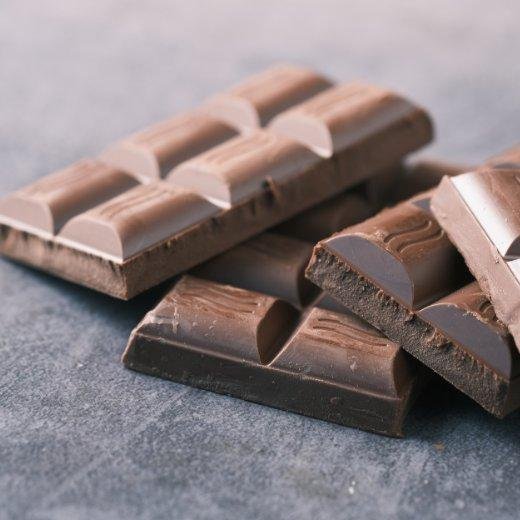
Does Chocolate Cause Breakouts?
This myth contains a kernel of truth. Foods high in sugar, including chocolate, can influence acne due to their glycemic index. But breakouts are usually the result of various factors, such as hormones and skin oil production, rather than just what you eat.
While sugar can play a role, you can't solely blame a chocolate bar for a pimple—unless you applied it directly to your skin, which could indeed clog pores. Otherwise, cutting out chocolate alone won't solve your acne issues.
Is Toothpaste Effective for Pimples?
Many of us learned to use toothpaste as a home remedy for acne during our teenage years. These DIY treatments may seem effective because they dry out blemishes, making them appear smaller.
However, they don't address the underlying issue of pore blockage and can irritate your skin, leading to redness around the pimple. Instead, opt for products specifically designed for acne treatment.
Can Cold Water Close Pores?
Growing up, it was common to hear that warm water opens pores while cold water closes them. In reality, pores don't open or close. They maintain a consistent size, though they can appear larger over time.
Warm water is more effective at loosening debris from your pores, making it wise to use it when cleansing your face.
Does Moisturizer Make Oily Skin Worse?
This myth likely stems from the assumption that oily skin shouldn't be moisturized. While it's true that skin types vary from dry to oily, moisturizer serves a key role for all skin types.
Moisturizers retain water in the skin, preventing dryness. If you skip this step, your skin may overproduce oil to compensate for lost hydration. A good moisturizer helps balance hydration, regardless of your skin type.
Who Should You Trust for Skin Care Advice?
All these tales reflect well-meaning misunderstandings about skin care. The field is constantly evolving, and we now have access to far more accurate information than previous generations. Embrace this knowledge to cultivate healthy, radiant skin.