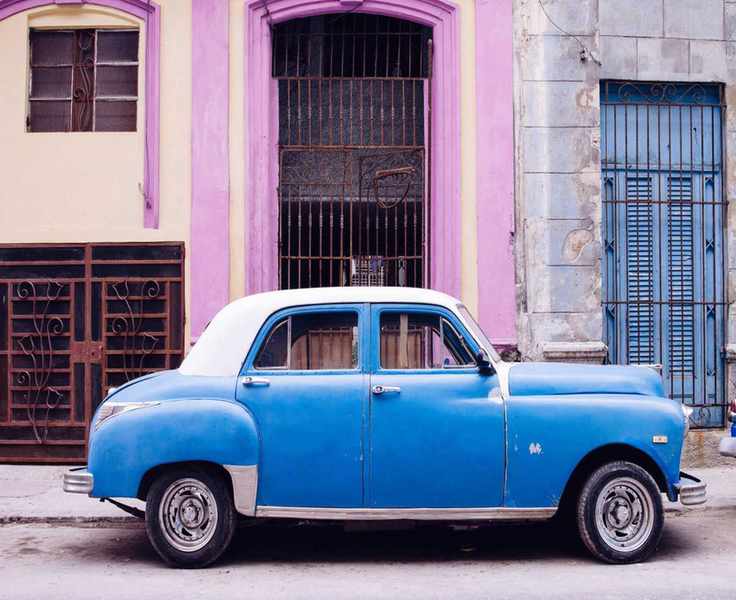
Choosing between buying or leasing a car involves more than just comparing costs; your driving habits and preferences matter significantly.
As you consider your first vehicle, the question of whether to buy or lease often arises, especially when viewing the price tags on new or used cars.
If you focus strictly on monthly costs, leasing typically offers a lower payment compared to buying. Plus, you won't be responsible for costly repairs as the vehicle ages. And who wouldn't enjoy the chance to switch to a newer model every few years?
However, the choice between leasing and buying isn't just about lower payments. Keep in mind that you won't own the car at the end of a lease. Additional factors like mileage limits and potential wear and tear can increase overall costs.
Let's break down each option to help you determine the best choice for your needs.
Leasing: Love the New Car Experience?
If you drive fewer than 15,000 miles a year, enjoy a new car every few years, and have a limited budget for monthly payments, leasing might be ideal for you. Here's why.
Leasing often results in lower monthly payments compared to purchasing.
Most leases allow for 12,000 to 15,000 miles per year, aligning with the average U.S. driver who typically drives around 13,500 miles annually.
However, exceeding the mileage limit can incur penalties of up to $0.25 per mile. For instance, if you exceed your limit by 10,000 miles, you could face an extra charge of $2,500. Ouch.
While you can opt for a high-mileage lease, it will increase your payments, and this choice must be made upfront.
Ending your lease early can incur costs similar to completing the lease.
A significant benefit of leasing is that you can return your car at the end of the term and drive away in a new vehicle without worrying about its trade-in value. Just keep in mind that if you end your lease early, it might cost as much as fulfilling the entire lease.
However, if you decide to purchase the vehicle at the end of your lease, you might pay more than its fair market value. This is because dealerships often inflate the car's residual value to lower your monthly payments. Once the lease ends, the actual market value could be much lower, creating a gap that could cost you if you buy the car.
Leasing can pose challenges for parents or pet owners.
On the flip side, if the car retains its value better than expected, it could work in your favor.
When entering a lease, be cautious about excessive wear and tear. You may face penalties for dents, scratches, or other damages, making leasing a less favorable option for families with small children or pets.
Lastly, remember that you don't own the car at the end of a lease.
Smart Strategies for Buying a Car
If you drive more than 15,000 miles annually, prefer to keep your vehicles for many years, or have kids and pets that can be tough on interiors, buying might be a better fit.
Owning your vehicle comes with no mileage restrictions. If you frequently commute or take road trips, buying is likely the smarter choice.
You also won't face penalties for wear and tear, so if your kids spill snacks or your dog sheds, it's not a problem! (Just breathe deeply.)
Moreover, once you pay off your car, it becomes your asset, though keep in mind it will depreciate over time.
Most dealerships require a 10% to 20% down payment when buying; leasing often requires much less.
However, buying has drawbacks. To match lease payments, you typically need to finance for a longer term (five to seven years), which could leave you with payments beyond the warranty period. This means you might incur repair costs alongside your monthly payment unless you purchase an extended warranty.
Additionally, if you tend to prefer newer vehicles, they often lose value quickly. Experts suggest that a new car can lose 10 percent of its value the moment you drive off the lot. High mileage can further impact resale value.
Another significant downside: buying usually requires a 10% to 20% down payment, while leasing can have little to no down payment.
When financing a vehicle, focus on the total cost instead of just the monthly payment.
If you choose to buy a used car in cash, many of these issues can be avoided. While purchasing a used vehicle can be daunting, the money you save can be allocated to repairs, often making it more cost-effective than buying new or leasing.
If financing, ensure you understand the terms of the loan or lease. Terms vary widely, so calculate your total cost rather than merely concentrating on the monthly payment.
Ultimately, doing thorough research and balancing your desires with your budget is key when purchasing a car.