

Your living room is the heart of your home, serving as a retreat for relaxation and a hub for socializing. Creating a cozy environment is essential, but it's equally important to design a space that remains stylish, regardless of fleeting trends.
Choosing a classic design scheme helps ensure your living room looks appealing, no matter how styles evolve. This approach can save you money since you won't have to frequently replace pricey furniture that's gone out of style.
Crafting a Timeless Living Room
From the colors you select to the decorative elements you incorporate, there are countless ways to give your living room a lasting appeal.
1. Follow Your Instincts

Your personal preferences will guide you in selecting furniture and decor that contribute to a timeless atmosphere. Regardless of your design experience, you can identify pieces that are either trendy or enduringly elegant.
Designer Kathy Kuo emphasizes the importance of trusting your instincts, stating, 'Focus on what you truly love. Timelessness varies from person to person, but prioritizing quality materials over cheap alternatives ensures longevity in your space.'
Cherie Lee, director of an interior design firm, echoes this sentiment, urging you to create a space that reflects your unique design style for a comfortable and authentic environment.
2. Invest in Quality Materials

According to Kathy, investing in high-quality furniture pays off. While it's not necessary to break the bank, choosing durable items is wise. Cheaper furniture may deteriorate quickly, making your living room appear less sophisticated.
Designer Artem Kropovinsky recommends selecting classy products made from long-lasting materials. Cherie Lee adds that opting for timeless natural materials like marble, wood, brass, and chrome ensures your design remains relevant.
3. Choose Calming Neutrals

Create a serene environment by focusing on neutral color schemes and selecting furniture with clean, versatile lines. Dara Huang suggests that a neutral base allows your space to evolve alongside your tastes, while Nick Cryer affirms that neutral tones enhance versatility and timelessness.
While neutrals serve as a strong foundation, there's room for vibrant accents. Pippa Jameson notes that a neutral backdrop allows for flexibility with accessory colors, steering clear of overly trendy choices that may quickly become outdated.
Amy Youngblood agrees, stating that timeless living rooms often feature neutral tones, with color added through less expensive elements like pillows and decorative items that can be easily updated.
4. Blend Different Eras

While new furnishings are appealing, incorporating vintage and second-hand items introduces character. Designer Matthew Williamson emphasizes that sourcing furniture from various eras creates a curated, layered look that feels sophisticated and timeless.
If you're uncertain about where to begin with this transitional style, Amy Youngblood suggests integrating iconic Mid-Century modern pieces, which are both classic and enduring.
5. Infuse Personal Elements
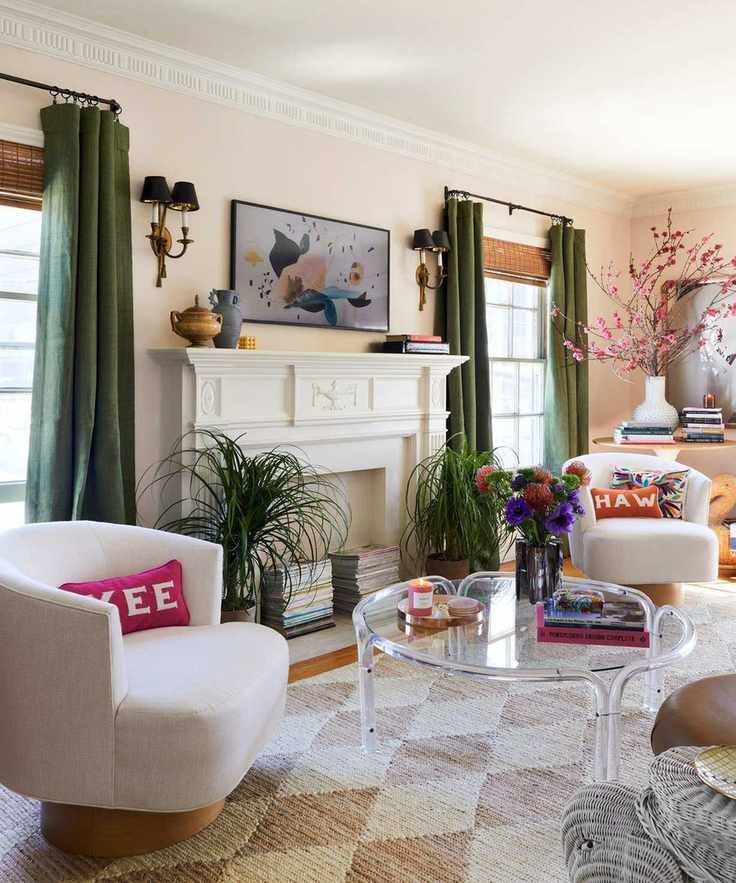
After establishing a neutral backdrop, it's vital to incorporate personal touches. Cherie Lee highlights the importance of displaying artwork, photographs, and meaningful mementos to create a space that reflects your personality.
Personal elements help unify the room, as Juliette Byrne explains that a timeless living room features classical details and symmetry. Incorporating clients' artwork and sculptures can serve as the foundation for your design, while adding a standout rug or a striking fireplace can act as focal points.


