
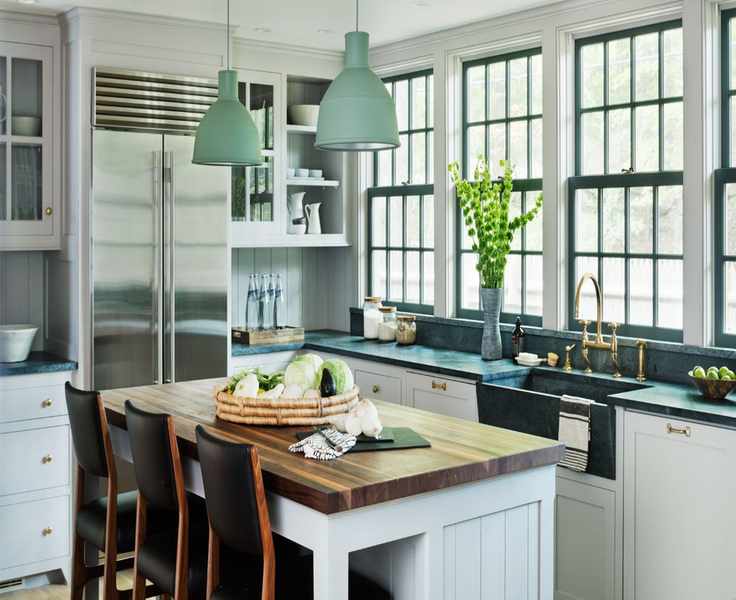
Selecting materials for your kitchen is a crucial choice. It impacts both functionality and the overall aesthetic.
Your kitchen countertops play a key role in harmonizing practical needs with visual appeal. The material you select should enhance your design while enduring everyday use. Soapstone countertops have emerged as a popular choice.
What makes soapstone an attractive option? We consulted designers familiar with this material for insights on soapstone countertops.
Why Choose Soapstone Countertops?
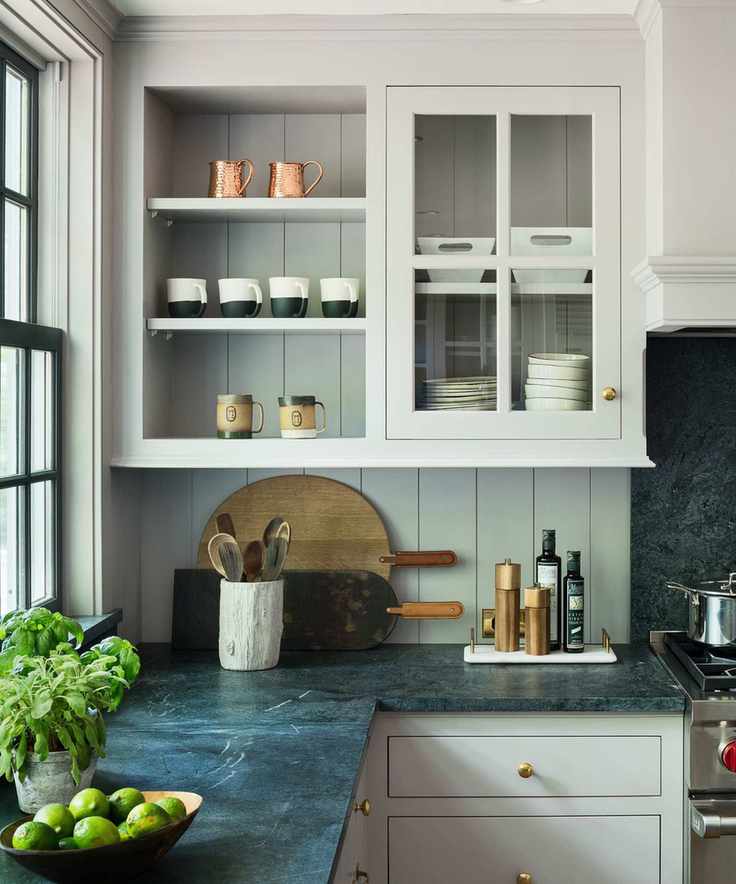
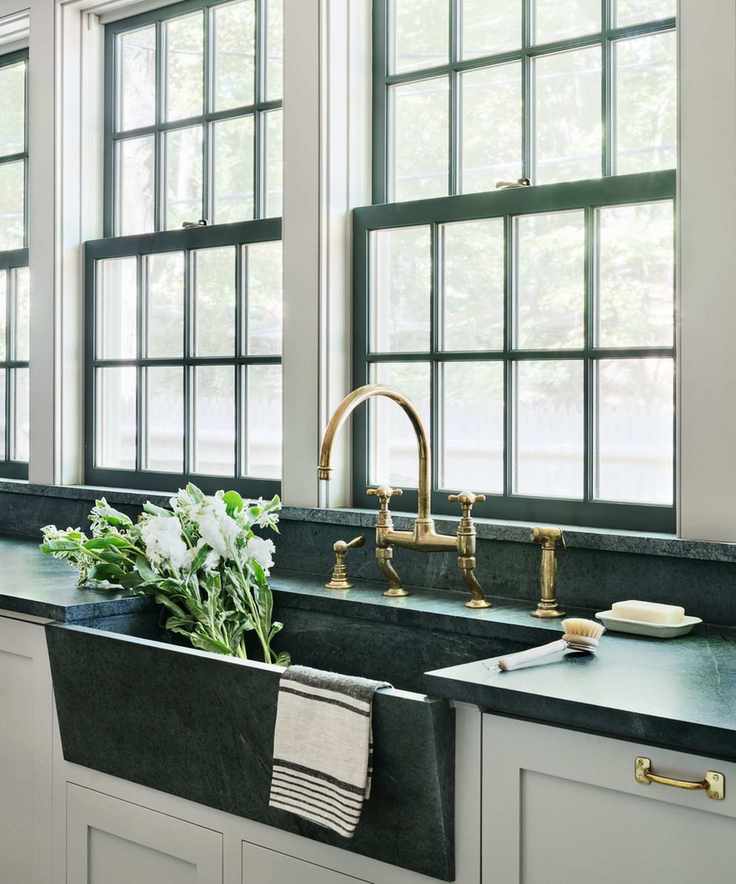
With its dark, textured appearance, soapstone is becoming a favored alternative to marble or granite. This natural stone comes in rich tones, from light gray to deep black, making it a striking addition to any design.
Soapstone countertops are celebrated for their smooth matte finish and natural ability to resist heat, making them both functional and elegant. Over time, they develop a unique patina that enhances their character, according to Andrew Hays, founder of Cabbonet.
One major advantage of soapstone is its affordability. Compared to popular materials like marble, soapstone is significantly less expensive. Its color and veining are truly captivating.
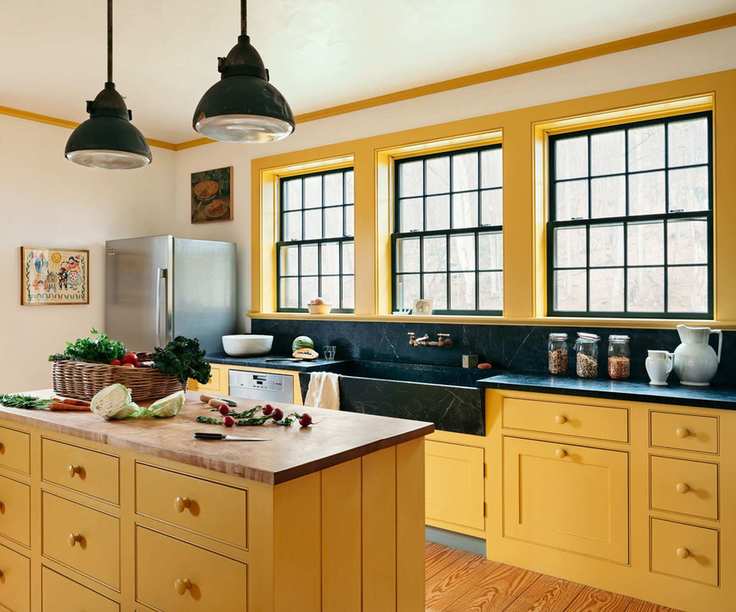
Rafe Churchill from Hendricks Churchill notes, 'Soapstone features beautiful veining with inherent color variations. It's also easier to work with than marble and can be sanded to remove scratches or blemishes.'
While some might find the darker tones of soapstone intimidating, they complement many popular kitchen styles wonderfully.
As Andrew points out, 'Soapstone pairs beautifully with wood, stainless steel, and marble. It also looks great alongside brass or copper for a warm, rustic feel that contrasts nicely with its cool tones.'
Benefits of Soapstone Countertops
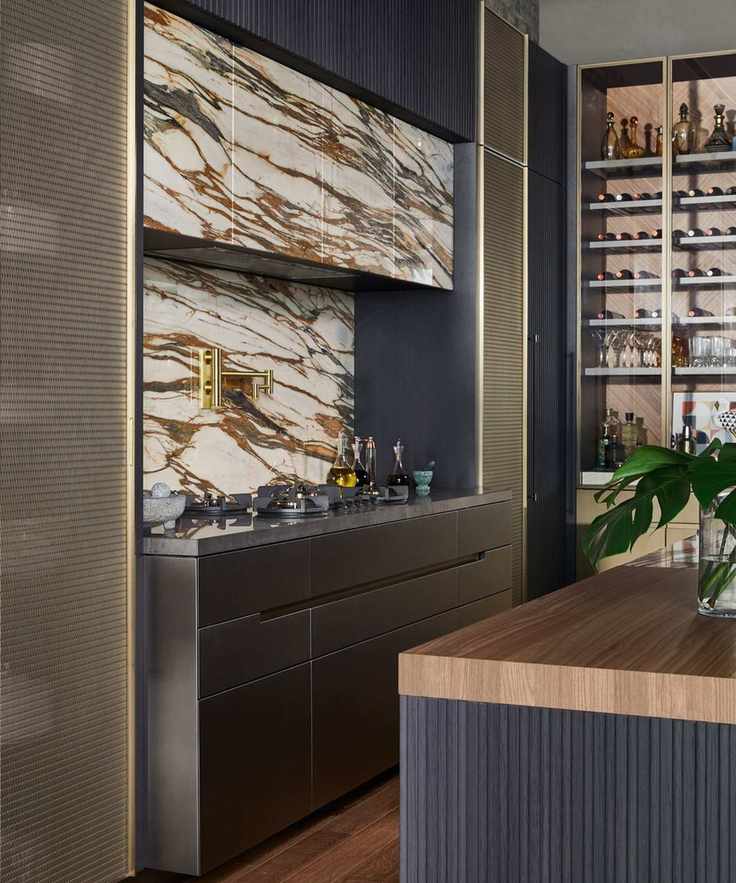
The rising popularity of soapstone countertops isn't just a fleeting trend. Rafe mentions, 'They're less expensive, easier to fabricate, and can be repaired through sanding.'
Unlike other stone types, soapstone can be oiled or waxed for enhanced durability. This treatment darkens the color and sheen, bringing out the depth of the veining.
Soapstone resists heat, cracking, and staining, making it an excellent choice for countertops. However, like all materials, it can chip around edges. Rafe appreciates the developing patina, feeling it adds to the material's authenticity.
This evolving aspect appeals to many. Andrew adds, 'Its ability to change over time creates a unique aesthetic, perfect for those who appreciate natural materials that evolve with use.'
The slightly imperfect look introduces texture, making sleek kitchens feel cozier. Rafe notes, 'The variations in soapstone's color and veining enhance its rustic charm, bringing warmth to minimalist or contemporary designs.'
Drawbacks of Soapstone Countertops
While soapstone countertops boast numerous benefits, there are also some drawbacks to consider before making your choice.
Rafe cautions, 'Soapstone's soft nature, while beneficial for repairs, makes it more susceptible to wear and damage. Like other stone materials, edges can chip around sinks and dishwashers, a patina that some clients may not prefer.'
If you value a pristine, mark-free countertop, soapstone and other natural stones may not be the best fit.
Additionally, soapstone offers a limited color palette. Andrew notes that if you aren't ready to fully embrace its style, you might struggle to find a perfect match for your kitchen.
'The main drawbacks are its softness, which leads to scratches and dents, and its tendency to darken with age, which can be an issue for those desiring a consistent look,' Andrew explains.
In summary, soapstone countertops are both beautiful and practical, making them an appealing alternative to higher-maintenance stones like marble. Ideal for those who appreciate darker countertops and natural patina, they add a unique charm to your space.
However, if you seek an exceptionally durable countertop that stays unmarked, or prefer lighter colors, soapstone might not be the best option for your kitchen. The choice ultimately hinges on the overall aesthetic you wish to achieve.
For a more resilient alternative, consider porcelain countertops, or explore marble countertop substitutes for a natural stone look without the upkeep.