Looking for an organized and efficient way to cultivate vegetables at home? Square foot gardening (SFG) could be your perfect answer.
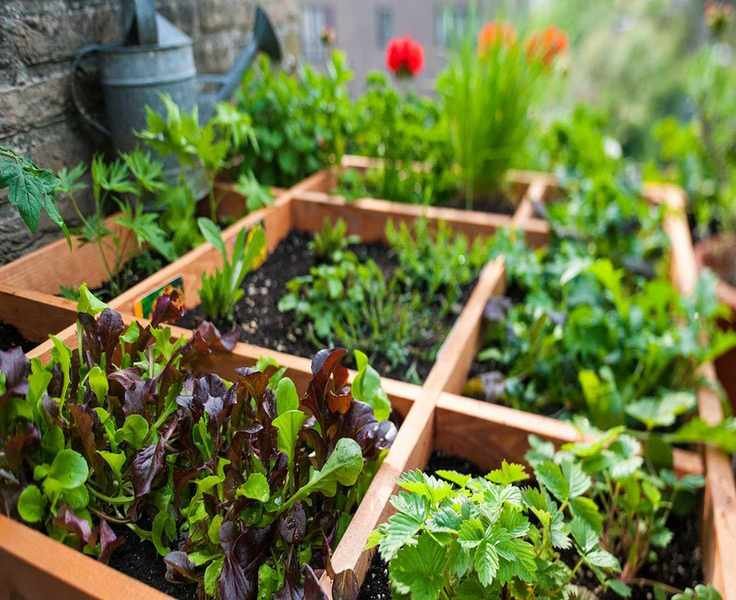
This technique involves planting in one-foot squares, organized by a grid in a raised bed. Developed by Mel Bartholomew, an engineer and gardener, this method has stood the test of time since he published his book in 1981. It's still a fantastic option for anyone starting a vegetable garden.
Gardening expert Charmaine Peters emphasizes that SFG is 'an incredibly efficient method,' especially for those with limited outdoor space. It simplifies tasks like weeding and watering, making gardening more manageable. We've compiled expert tips to help you embark on your square foot gardening journey.
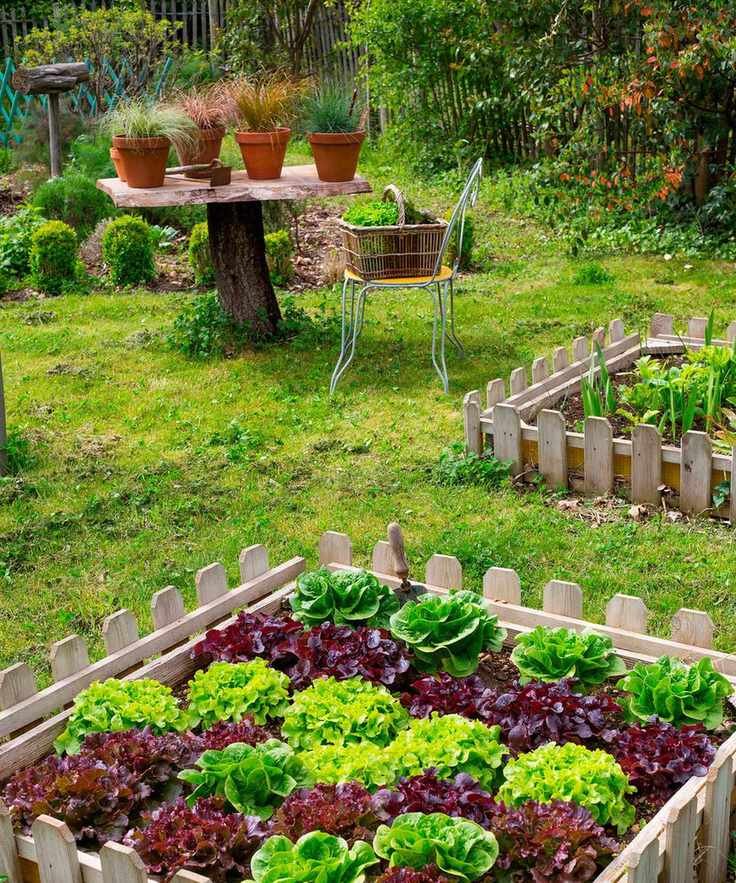
This technique creates a tidy and organized garden space
Setting Up Your Raised Bed for Square Foot Gardening
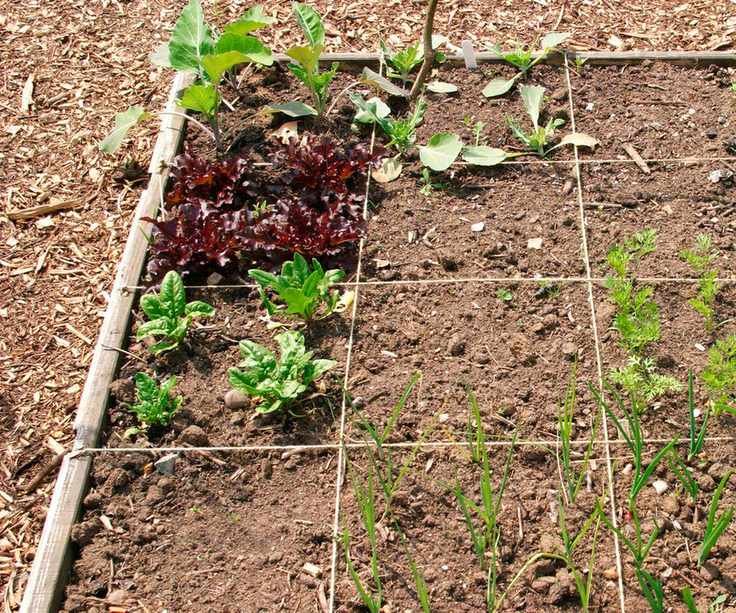
Twine can be used to set up your grid
Start by choosing a sunny location. According to Jen McDonald from Garden Girls, 'Fruiting vegetables like tomatoes, peppers, cucumbers, and squash need six to eight hours of sunlight daily. Leafy greens like lettuce and arugula thrive with four to six hours, while herbs require at least two to four hours.'
Next, install your raised bed. A 4ft by 4ft box is typically recommended, which can be divided into 16 sections. Jen advises, 'For SFG, the beds should ideally be at least 12 inches high. We've found a height of 2 feet to be most comfortable.'
Charmaine suggests lining the inside of the bed with weed-control fabric. The Hoople weed-suppressant fabric available on Amazon is a popular choice.
Then, add your soil mix. 'Make sure you have well-draining, nutrient-rich soil suitable for your plants,' advises Autumn Hilliard-Knapp from Perfect Plants Nursery. 'Consider enhancing the soil with compost or other organic materials.'
After that, create a grid using metal, bamboo, wood, or string across the bed. Charmaine explains that this grid serves as a guide for planting seeds at the correct spacing.
Planting in Your Square Foot Garden
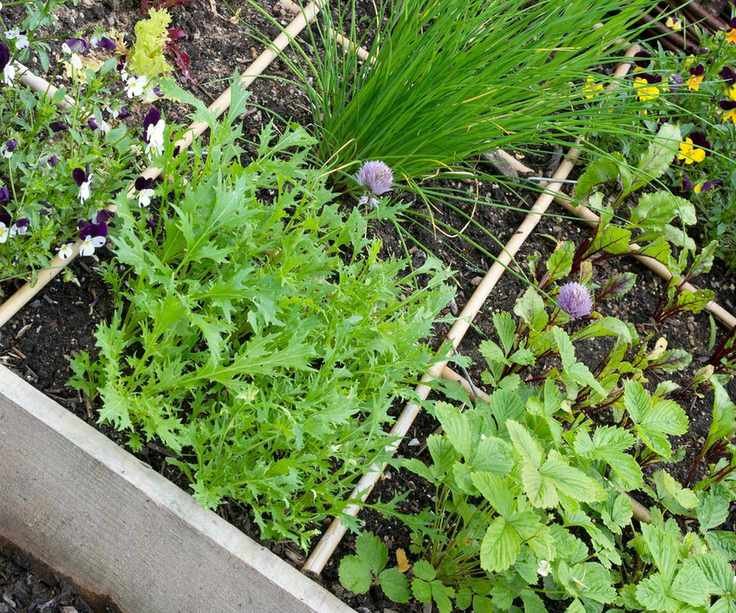
Ensure proper spacing for each plant variety
Determining how to fill each square depends on the plant sizes. Charmaine recommends checking seed packets for spacing instructions.
Jen provides guidelines for spacing using the square foot gardening technique:
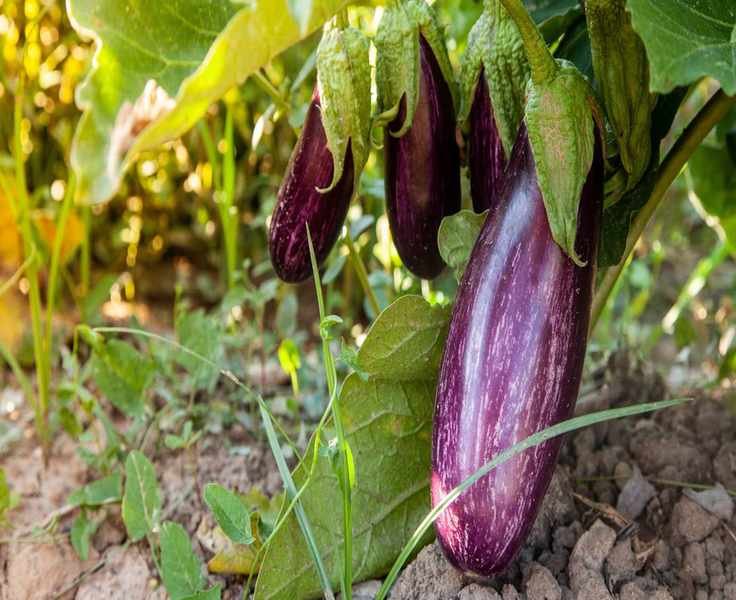
- 1 per square foot: Larger herbs like rosemary, lavender, sage, tomatoes, peppers, eggplants, and cucumbers.
- 4 per square foot: Smaller herbs such as chives, cilantro, parsley, dill, thyme, oregano, and basil, as well as lettuce, garlic, Swiss chard, and strawberries.
- 9 per square foot: Bush beans, beetroot, and spinach.
- 16 per square foot: Radishes, carrots, and multiplying onions.
'Seedlings can look alike early on, so labeling squares helps identify crops,' Charmaine suggests.
These bamboo labels from Amazon are well-rated and affordable.
Creating a garden map can also help keep track of what you've planted in each square. Charmaine advises having a clear system to differentiate crops, especially since the square layout can complicate mapping.
For optimal sunlight, consider placing taller plants, like tomatoes or trellised cucumbers, on the north side of the bed. This prevents shading shorter plants, ensuring all receive adequate light for growth.
After planting, water as needed and regularly check for weeds or dead plants, advises Autumn.
Challenges of Square Foot Gardening
Jen notes, 'One limitation is that if you're looking to plant larger crops like watermelon, corn, or squash, space becomes a concern.' For these larger plants, aim for one per two square feet with enough space for them to vine, or use a trellis for vertical growth.
Autumn highlights that close plant spacing can increase pest and disease risks. 'Regularly inspect your plants and address any issues quickly,' she suggests. 'Consider natural pest control methods or companion planting to deter pests.'
Can Square Foot Gardening Work in Borders?
Anna Ohler, owner of a nursery, mentions that square foot gardening principles can also apply to certain landscaping projects if you're aiming for a neat design. 'Divide your garden into grid squares and plant according to spacing guidelines, which is particularly useful for annual flower beds that need many flowers per section.'
If planting perennials, you might want to remove gridlines once plants are established. 'Leaving twine or stakes may hinder the plants' growth,' she advises.
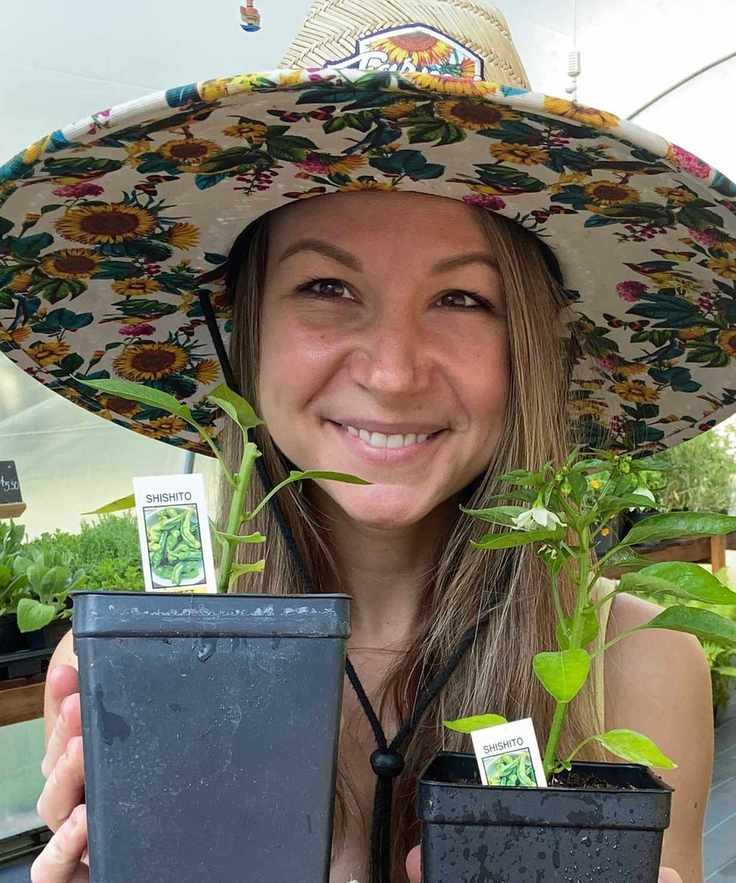
Anna Ohler is a passionate plant enthusiast and the owner of a boutique nursery in Northern Michigan, sharing her gardening expertise.
For those gardening in compact spaces, other effective strategies exist too, such as growing vegetables in pots—ideal for balcony gardening.