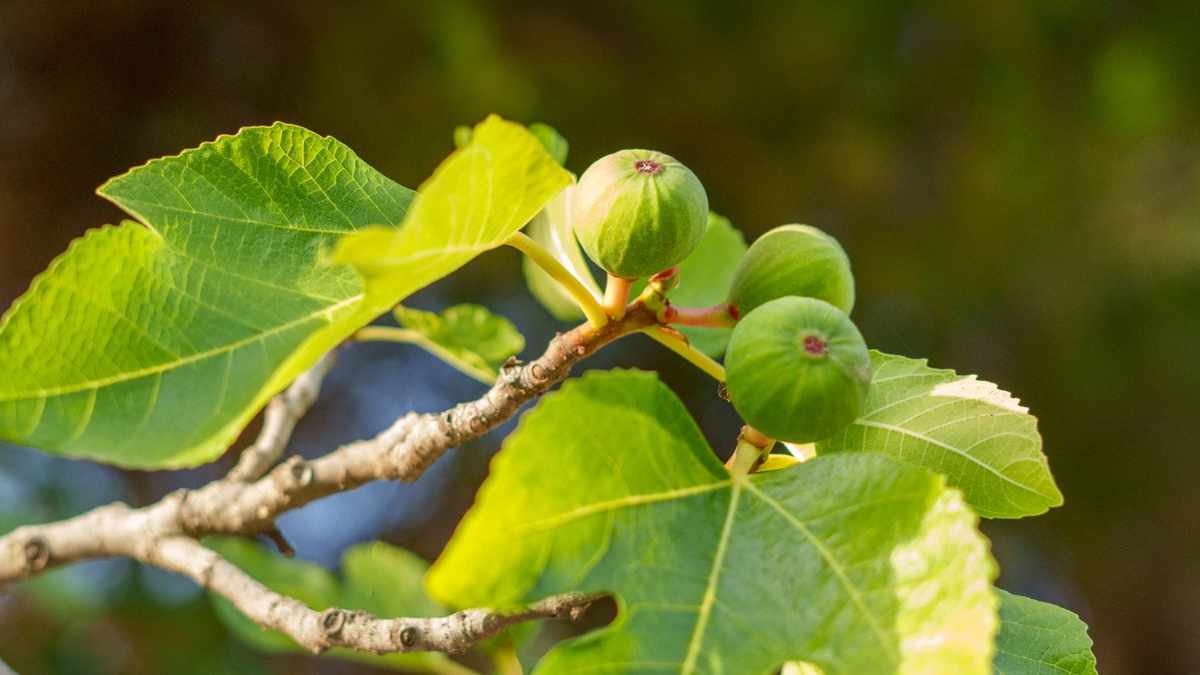
There's nothing quite like harvesting fresh fruit from your own backyard. Homegrown fruits often taste better than those from the store. If you're looking to plant fruit trees, you can choose from classic varieties or more exotic options.
For those in warmer climates, water requirements during the hot summer months can be a concern. Luckily, there’s a variety of drought-resistant fruit trees that flourish in arid environments and need minimal watering.
Figs, pomegranates, olives, persimmons, loquats, and jujubes are all capable of withstanding dry spells once established. Let’s explore these outstanding drought-tolerant fruit trees and gather expert tips for their care and watering, helping you find the perfect fit for your garden.
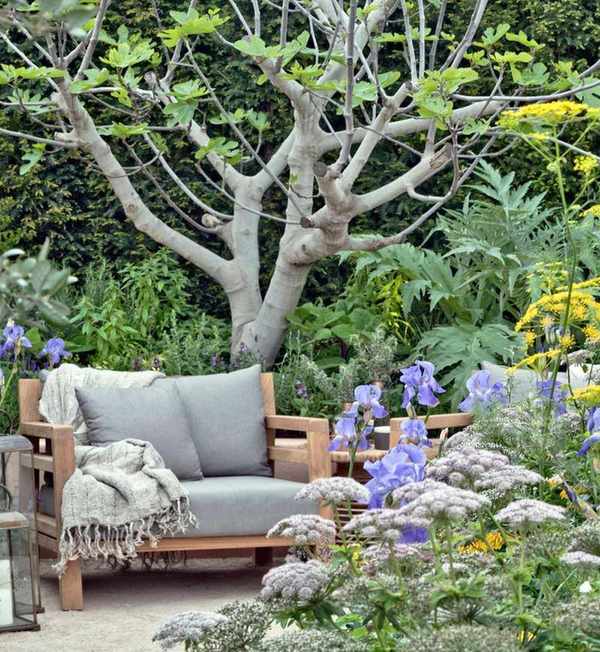
What Defines a Drought-Tolerant Fruit Tree?
A fruit tree typically needs two to three years after planting to be classified as drought-tolerant. Initial regular watering is essential for strong root development. Once established, these trees can rely on rainfall and occasional watering during extended dry periods. If you’re growing trees in pots, they’ll need more regular deep watering to prevent the soil from drying out.
1. Fig
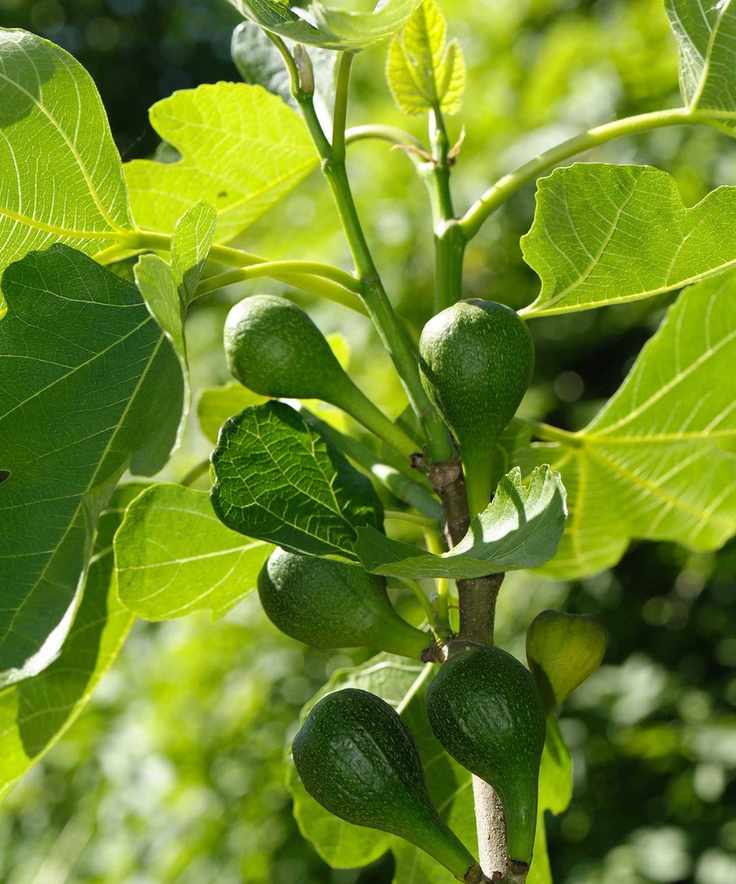
- Height: 10-30 feet
- Type: Deciduous
- Hardiness: US zones 7-11
- Sunlight: Full sun and sheltered
“Fig trees reign as the champions of drought-tolerant fruit trees,” shares an expert in the field. “They can withstand low water availability, but appreciate occasional deep watering for optimal fruit production.”
Originating from the Mediterranean, figs are perfect for creating a Mediterranean garden vibe. These trees thrive in warm weather, and some varieties can endure colder winters.
Despite their drought resilience, fig trees benefit from a good soak every few weeks during dry spells, encouraging fruitful yields. You can expect a bountiful harvest of figs by late summer, perfect for both sweet and savory dishes.
2. Pomegranate
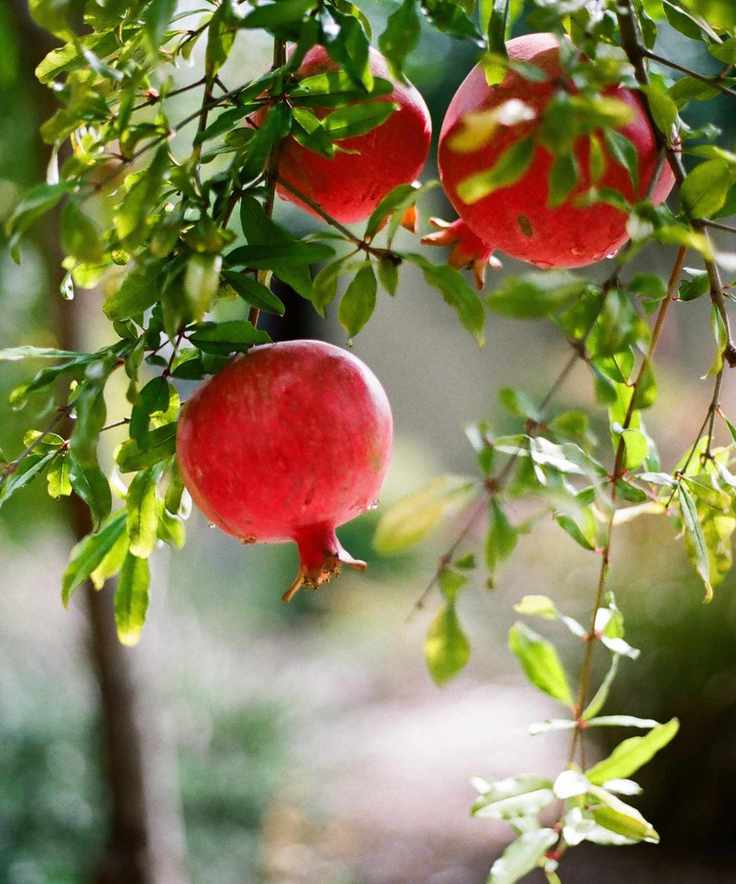
- Height: 10-16 feet
- Type: Deciduous or evergreen in warmer areas
- Hardiness: US zones 7-11
- Sunlight: Full sun
Pomegranates are vibrant, fast-growing trees that flourish in hot, dry environments. Widely cultivated in East Asia, North Africa, and the Mediterranean, they yield unique, nutrient-rich fruits. Dwarf varieties are available for smaller gardens.
3. Olive
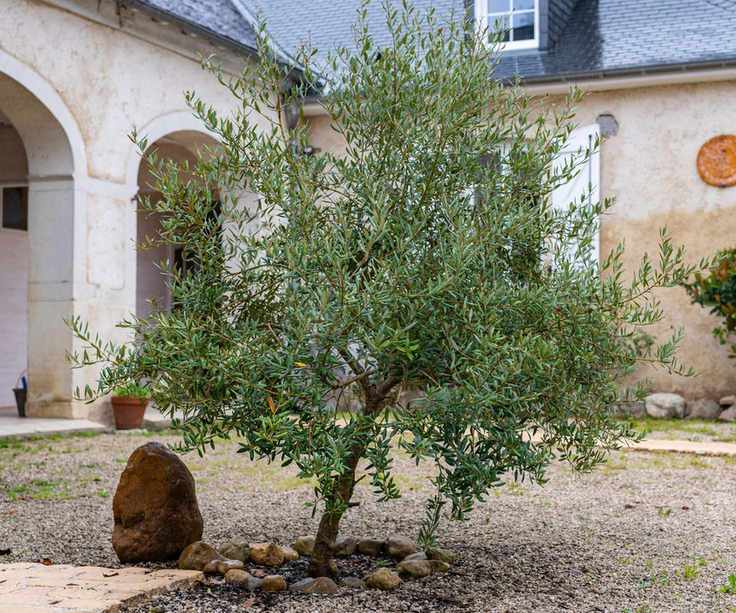
- Height: 20-30 feet
- Type: Evergreen
- Hardiness: US zones 6-11, depending on variety
- Sunlight: Full sun
Native to the Mediterranean, olive trees thrive in hot, dry climates. Numerous cultivars exist, with many exhibiting impressive drought resistance once established.
4. Persimmon
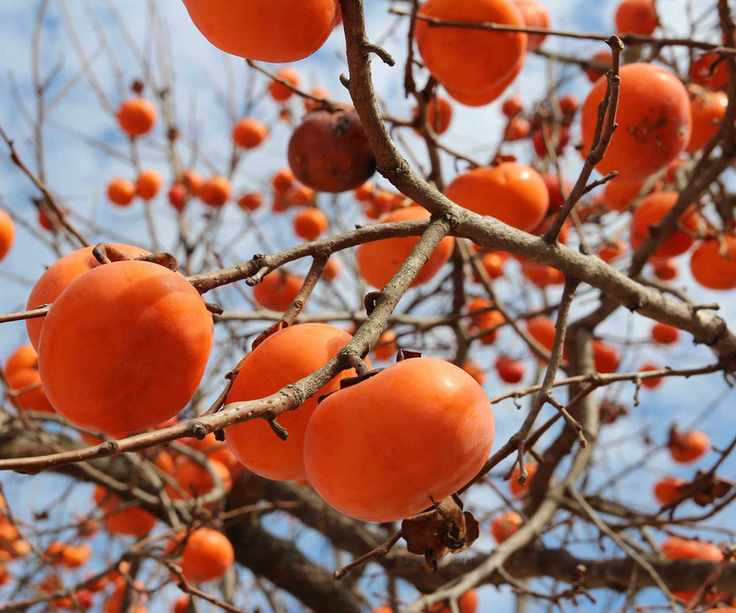
- Height: 15-30 feet
- Type: Deciduous
- Hardiness: US zones 7-11
- Sunlight: Full sun or partial shade
Persimmons are slow-growing trees that produce delightful fruits resembling pumpkins. They can be yellow, orange, or red, adding charm to your backyard. Dwarf varieties are also available for container gardening.
5. Loquat
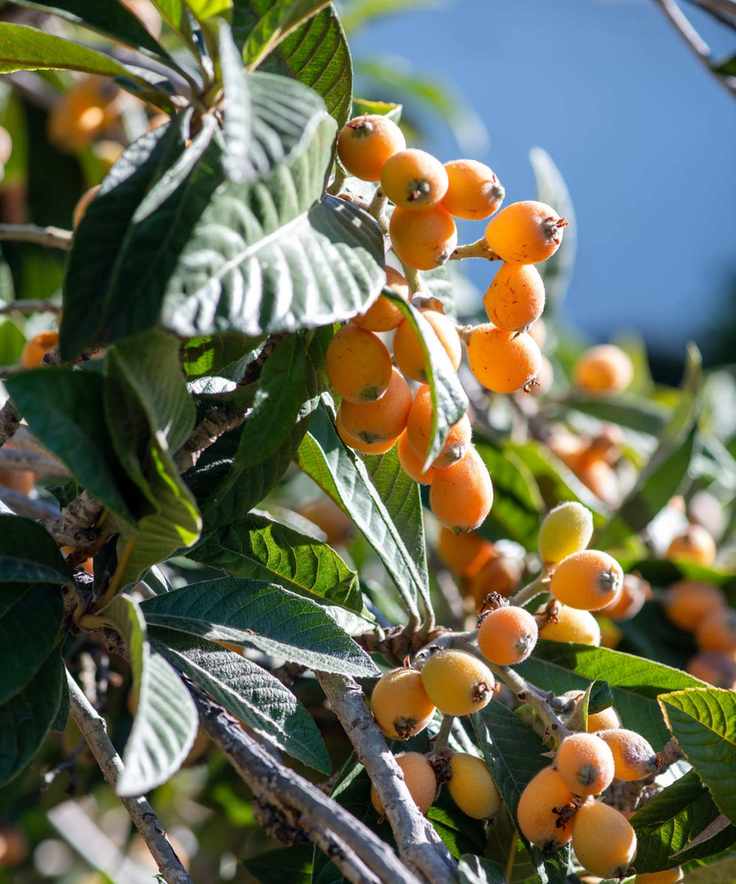
- Height: 25-30 feet
- Type: Evergreen
- Hardiness: US zones 8-11
- Sunlight: Full sun
Loquat trees are native to Southern China, producing small, sweet, pear-like fruits in the spring. They thrive in warm conditions and can enhance the tropical appeal of your garden.
6. Jujube
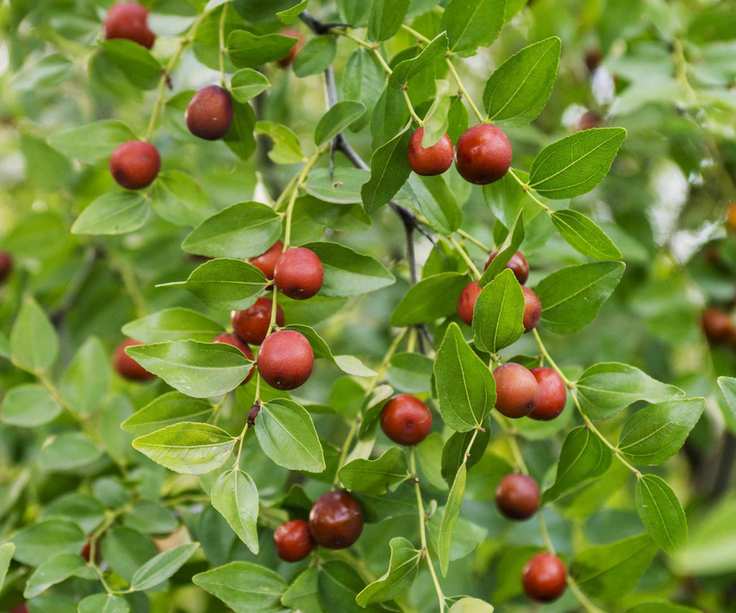
- Height: 10-20 feet
- Type: Deciduous
- Hardiness: US zones 6-11
- Sunlight: Full sun
Known as Chinese dates, jujube trees have thrived for millennia across Asia and the Middle East. These adaptable trees can flourish in both tropical and temperate climates.