

“Wow, you’re really going for a look.” My husband pointed at my closet, where a growing collection of cream tops was neatly arranged. Muted sky blues and cotton candy pinks now took the place of burnt oranges, deep greens, blacks, and stark whites that once dominated my wardrobe. He was right—I am curating a style that makes my eyes sparkle and balances my skin tone. My closet now reflects my journey over the past few months to uncover my season through color analysis.
Transform Your Wardrobe with Color Analysis
It’s not the most glamorous journey, I’ll admit. However, in my quest to minimize decision fatigue, navigating an overflowing closet was draining. I wanted to wear clothes that felt like me—with silhouettes that express my style, comfortable fabrics, and colors that highlight my natural beauty. I had nailed the first two aspects. But colors?
Like most, I’d heard the phrase, “I’m an Autumn,” popularized by the 1980s classic Color Me Beautiful. I thought it was outdated, much like hot rollers. Yet, when color analysis and the concept of “getting your colors done” began trending, complete with stunning before-and-after transformations, I was intrigued. (Side note: I did order a set of hot rollers this week, but that’s a different story.)
So, let’s tackle the burning question: How do I determine my season?
For me, the answer wasn’t simple. I explored online quizzes and uploaded photos to AI apps, but certainty eluded me. Many skilled color analysts can assist in identifying your season (and I may seek professional help eventually), but for now, I’m taking matters into my own hands. I’m following a few Instagram accounts, thrifting colors I suspect belong to my season (Summer, maybe?), and testing them out.

The Four Color Seasons Explained
Before diving into the seasons and their meanings, let’s clarify one point: This is all in good fun. You can (and should!) wear any colors that make you feel good. While we enjoy categorizing ourselves (who doesn’t love a good quiz?), the reality is that we’re complex. If a system feels confining, consider this your permission slip to break free.
That said, we all recognize the feeling of wearing a color that simply works—your complexion glows, your eyes shine, and those dark circles seem to vanish. Knowing your flattering colors can simplify shopping and eliminate confusion when dressing. The right shades reflect the natural undertones of your hair, skin, and eyes, enhancing your beauty, while the wrong ones may leave you looking dull.
Among the four color seasons, there are two main categories:
- Warm seasons: Spring and Autumn (flattering yellow-based tones)
- Cool seasons: Summer and Winter (flattering blue-based tones)
Unsure where you fit? Here are three essential factors to help identify your season.
Which Season Are You?
If you’re exploring your season at home, consider these three aspects.
1. Identify Your Undertone
Examine the veins on your wrist in natural light.
- If they appear blue or purple, you likely have cool undertones.
- If they look green, you probably have warm undertones.
Need further assistance? The Neutone app is a fantastic (and free!) resource for analyzing undertones.
2. Assess Your Contrast
Contrast (or value) refers to the difference in lightness and darkness between your skin, hair, and eyes.
- High contrast (e.g., fair skin with jet-black hair and cool-toned eyes) is typically linked to Winter or Spring.
- Low contrast (e.g., medium to dark skin with warm brown eyes and hair) is more prevalent in Summer or Autumn.
Understanding your contrast assists in choosing colors that create harmony. High-contrast individuals often shine in bold hues, while low-contrast individuals look best in softer, tonal palettes.
3. Examine Chroma: Soft vs. Bright Colors
Depending on your season, your natural features either harmonize with soft muted colors or bright, bold shades.
- Soft seasons (Summer, Autumn): Favor softer, more tonal combinations. Summers (cool undertones) excel in muted pastels, while Autumns (warm undertones) glow in deep, earthy tones.
- Bright seasons (Winter, Spring): Feature bolder, more vivid characteristics. Winters (cool undertones) thrive in jewel tones like royal blue and emerald green, while Springs (warm undertones) radiate in lively, fresh shades like orange and sunny yellow.
Exploring Each Season
While there aren’t strict “rules” for color analysis—remember, you can wear any colors you like—here are some general guidelines for each season. We’ll focus on the four main seasons, but color analysts further break them down into 12 sub-types for a more detailed evaluation.

Spring
Springs exhibit high contrast and warm undertones. They typically have light, warm-toned hair and fair to medium skin. Springs shine in vibrant and warm color combinations.
View this post on Instagram
Notable Springs include Jessica Chastain, Emma Stone, Rihanna, Blake Lively, Kate Hudson, and Brittany Snow.
Vein Test: Check your wrist veins. Springs usually have veins that appear blue or green. If they lean green, this indicates warm undertones, aligning with Spring if other traits match.
Eye and Hair Color: Springs typically have warm-toned eyes like hazel, light blue, green, or warm brown, and their hair colors range from light to medium warm shades, such as strawberry blonde, golden blonde, or light to medium brown.
Color Preferences: Observe how you feel in various colors. Springs usually look best in warm, vibrant shades like coral, peach, sunny yellow, and mint green. If these colors enhance your complexion, you might be a Spring.
Jewelry Metals: Springs generally shine in warm metals like gold, brass, or copper. If gold jewelry complements your skin tone better than silver, you may be a Spring.
Summer
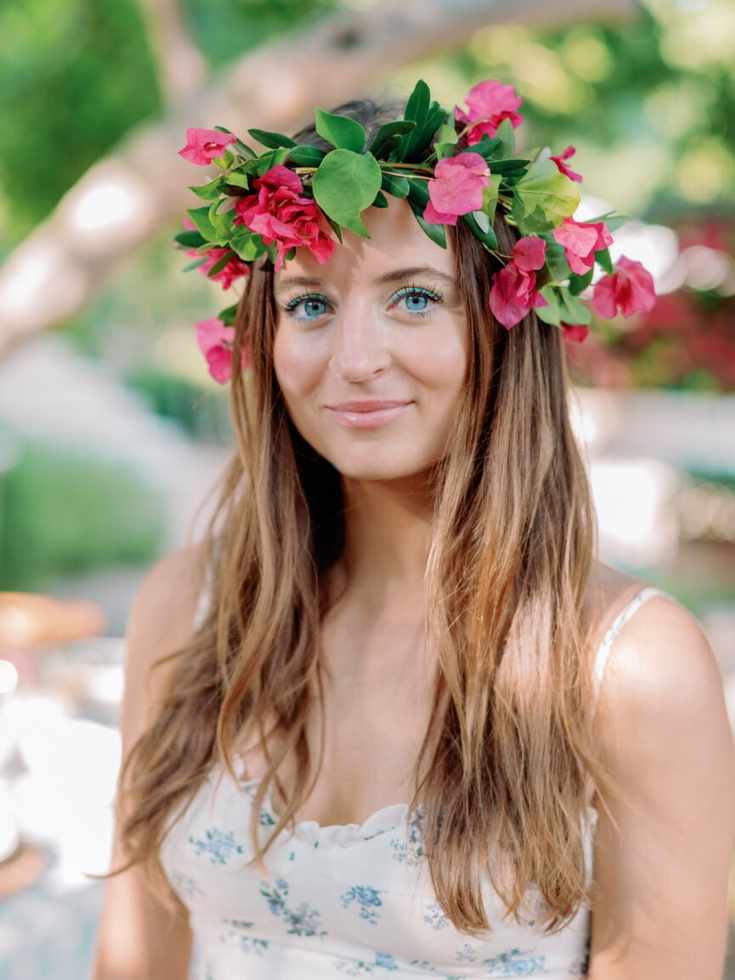
Summers usually have low contrast among their features. They often have light or ash-blonde hair, light skin, and cool-toned eyes. Summers look fabulous in soft, pastel colors and muted tones that blend harmoniously.
View this post on Instagram
Prominent Summers include Emily Blunt, Allison Williams, Barbara Palvin, Leona Lewis, Caitriona Balfe, Emilia Clarke, and Miranda Kerr.
Vein Test: Summers usually have bluish or purplish veins. If your veins appear blue rather than green, this suggests cool undertones, aligning with the Summer season.
Eye and Hair Color: Summers often have light, cool-toned eyes (blue, green, or gray) and light to medium ash-brown or blonde hair.
Color Preferences: Notice how you feel in different colors. Summers typically shine in soft, muted, and cool shades. If pastel colors and cool tones like lavender, soft pink, and powder blue enhance your complexion, you likely belong to Summer.
Jewelry Metals: Summers typically favor silver or white gold due to their cool undertones. If silver jewelry complements your skin tone better than gold, it’s a sign you might be a Summer.

Autumn
Autumns usually have low contrast but with warm undertones. They often have warm hair colors, warm-toned eyes, and medium to dark skin. Autumns thrive in rich, earthy color combinations like deep rust and olive green.
View this post on Instagram
Famous Autumns include Jennifer Lopez, Keira Knightley, Doja Cat, Elizabeth Olsen, Jessica Alba, Sofia Richie, and Beyonce.
Vein Test: If your veins appear more greenish, it indicates warm undertones, which align with the Autumn season.
Eye and Hair Color: Autumns often have warm, earthy tones in their natural eye and hair colors, including shades like deep brown, auburn, red, or warm blonde. If your natural eye and hair colors fit these warm, earthy categories, it’s a clear sign of being an Autumn.
Color Preferences: Notice how wearing particular colors makes you feel. Autumns typically shine in warm, rich colors like deep oranges, warm browns, olive greens, and mustard yellows. If these colors enhance your complexion, you’re likely an Autumn.
Jewelry Metals: Autumns often look best in warm metals like gold and bronze due to their warm undertones. If gold jewelry flatters your skin tone more than silver, you might be an Autumn.

Winter
Winters tend to have high contrast among their features. They usually have dark hair, fair skin, and often striking bright or deep eye colors. These individuals look stunning in bold, high-contrast color combinations like pure white and black.
View this post on Instagram
Noteworthy Winters include Zooey Deschanel, Janelle Monáe, Alexis Bledel, Lucy Liu, Lupita Nyong’o, Viola Davis, and Selena Gomez.
Vein Test: Winters typically exhibit bluish or purplish veins, indicating cool undertones. If your veins lean towards blue, this suggests cool undertones, aligning with the Winter season.
Eye and Hair Color: Winters often have cool-toned eyes, such as deep blue, gray, or green, and cool-toned hair colors like jet black, deep brown, or ash blonde. If your natural eye and hair colors align with these cool tones, you’re likely a Winter.
Color Preferences: Pay attention to how colors make you feel. Winters typically look best in bold, high-contrast hues like deep jewel tones, pure whites, and, of course, the classic little black dress. If these colors enhance your complexion, you’re likely a Winter.
Jewelry Metals: Experiment with both silver and gold jewelry. Winters often favor silver or white gold due to their cool undertones. If silver jewelry flatters your skin tone more than gold, it’s a sign you might be a Winter.
Final Thoughts
Now it’s time to have fun with your findings. If you think you belong to a specific season, start testing those colors, switch up your jewelry, and see how they look against your skin tone. From my experience, color analysis combines intuition with knowledge.
I never imagined I’d reach for a soft purple outfit, but here we are—and I adore it.
Ultimately, color analysis serves as a guide, not a strict rule. Embrace what makes you feel confident and beautiful, whether or not it perfectly fits your season. Because your best color is the one that makes you shine.
This post was last updated on March 22, 2025 to include new insights.
30 Simple Delights to Add to Your June Calendar