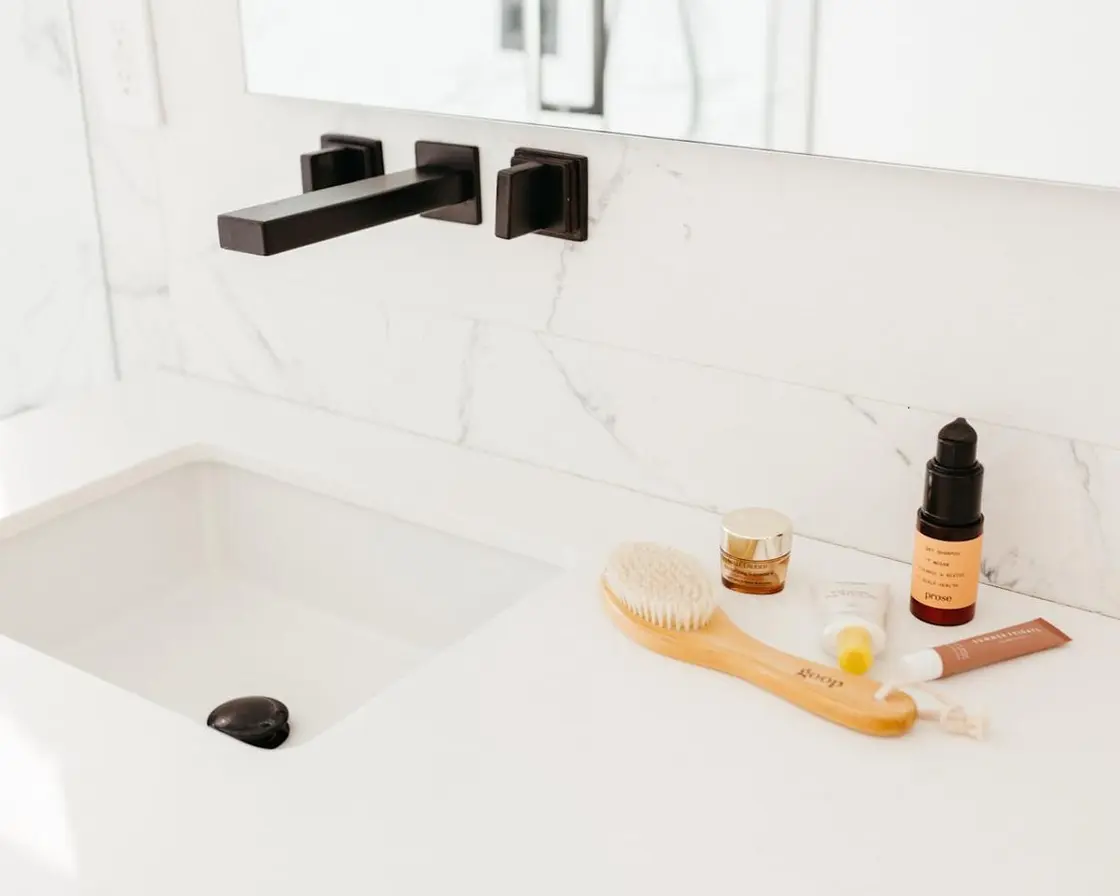
We appreciate effective wellness routines that truly deliver results. Dry brushing has become popular among many for its ability to exfoliate dead skin, enhance lymphatic flow, reduce the appearance of cellulite, and promote overall skin health. If you're curious about this practice, let's explore how to dry brush and enjoy its smooth, radiant, detoxifying effects.

Expert Insights on Dry Brushing
We spoke with a knowledgeable facialist and acupuncturist, Brooke Taylor, to gain insights about dry brushing. In her practice, she integrates this technique into her relaxing and restorative facial services. She emphasizes how dry brushing can be a valuable addition to your personal self-care rituals.
Continue reading for a breakdown of dry brushing, its method, and recommended products to enhance your experience.
Origins of Dry Brushing
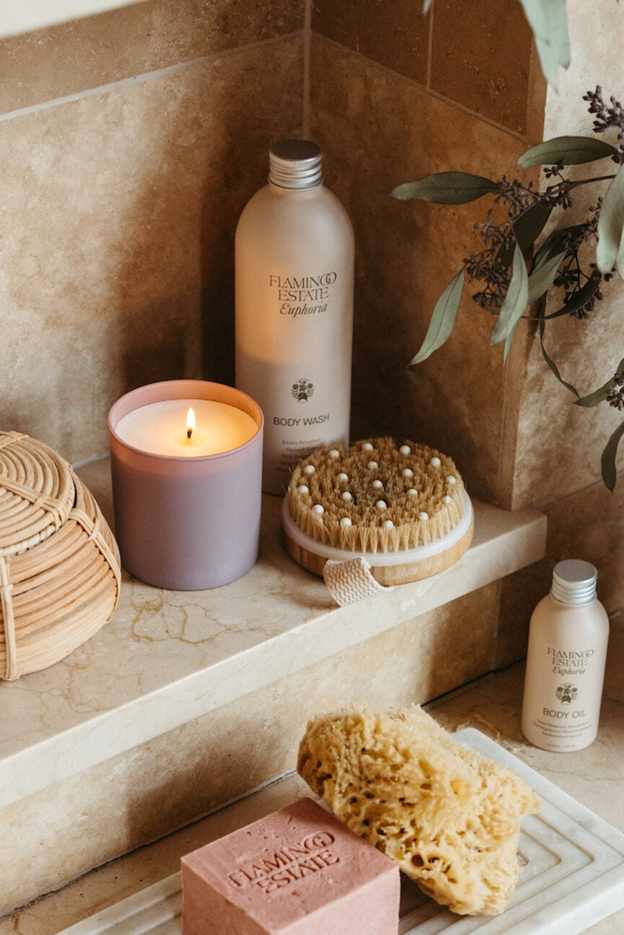
While its popularity is growing, dry brushing has ancient roots. It is believed to have originated in Ayurvedic practices, dating back 5,000 years, where it is known as Garashana. Traditionally, it involved using silk or linen gloves before bathing, targeting individuals with sluggish lymphatic systems. Various cultures, including the Japanese, Ancient Greeks, Romans, Scandinavians, and Native Americans, have used similar techniques, with some suggesting that Ancient Egyptians were the first to practice it.
Taylor's appreciation for dry brushing emerged when a spa director in Vail, Colorado recommended it to help improve her circulation. This advice resonated with her studies in Chinese medicine, where loofahs were historically used for skin softening.

Understanding Dry Brushing
Contemporary dry brushing employs natural bristles for optimal results. Brushes vary in design, featuring long handles, short handles, or straps, made from materials like boar hair or vegan fibers. The technique involves gently brushing the body in firm strokes to exfoliate, smooth dry skin, and boost circulation.
Advantages of Dry Brushing
- Exfoliates gently. Regular use of bristles on dry skin removes debris, leading to smoother skin.
- Enhances circulation. Brushing stimulates blood flow, improving sluggish circulation.
- Prepares skin for hydration. Exfoliation allows moisturizers to penetrate more effectively.
- Supports lymphatic movement. While detox effects may be limited, brushing can aid fluid movement and improve skin appearance.
- Unclogs pores. Dry brushing helps prevent clogged hair follicles and can assist with Keratosis Pilaris, especially when followed by a nourishing balm.
- Improves skin texture. Many women find dry brushing helps reduce the appearance of cellulite, particularly when combined with additional treatments.
- Stimulates energy pathways. In TCM, brushing hands and feet can enhance sleep and digestion.
Steps for Effective Dry Brushing
- Begin with dry skin before showering.
- Apply gentle but firm pressure; it should feel invigorating, not painful.
- Brush hands and feet to stimulate meridians.
- Starting from the toes, move upward using long strokes, circling around joints.
- Brush in circular motions on the stomach and décolletage.
- Raise arms and brush from elbows to underarms, and from waist to underarms.
- Brush palms, fingers, and move inward towards the heart.
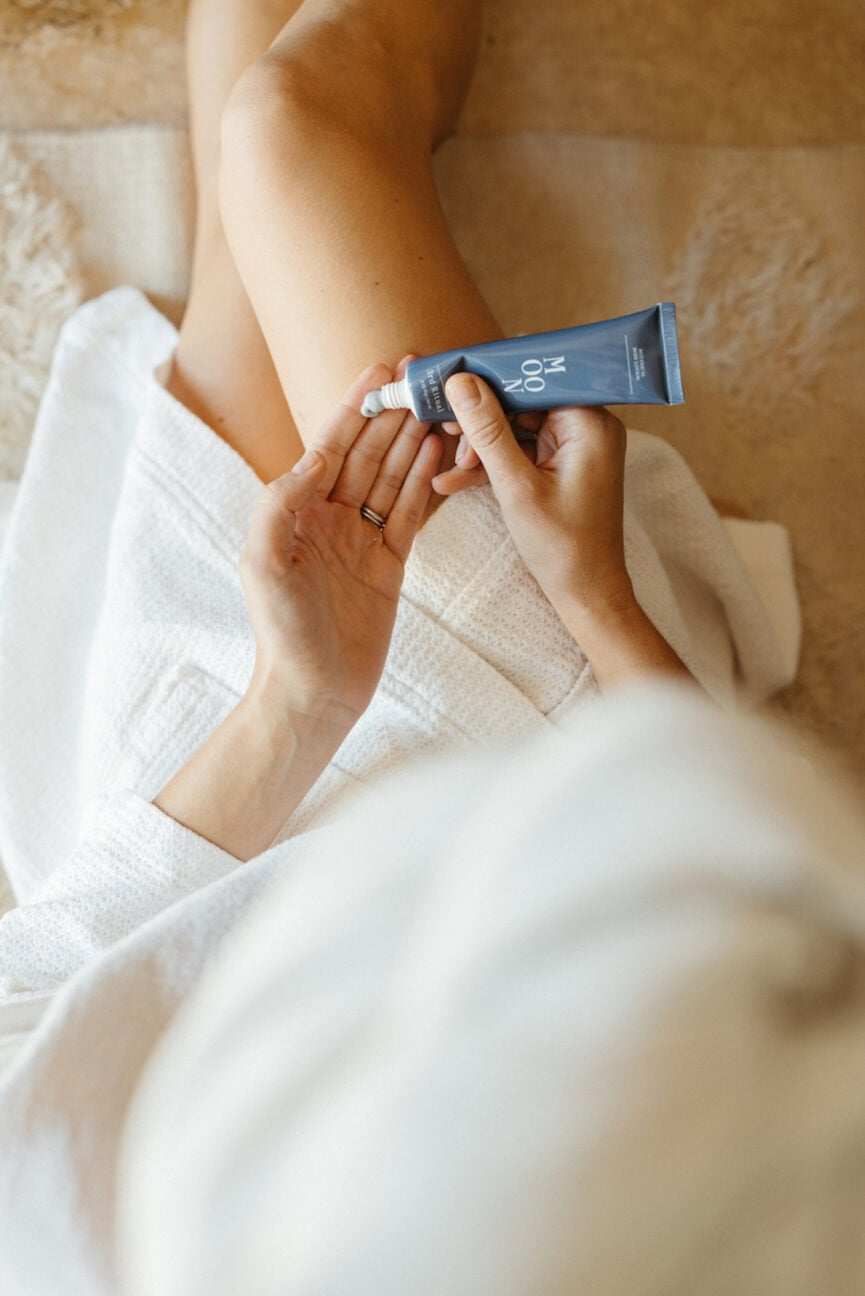
- Finish with a soak, cold rinse, and moisturizing body oil.
- Take your time, breathe, and enjoy the experience.
Maximizing Your Dry Brushing Experience
Enhance the benefits of dry brushing by treating it as a personal ritual. Listen to your body; if you feel irritation, adjust your technique. Choose a brush suited to your skin type.
To enrich your routine, consider incorporating breathwork, mindfulness, or a cold shower after brushing, followed by nourishing oil blends with active ingredients like CBD or vitamins.
Frequency of Dry Brushing
Twice weekly is a good frequency to start seeing benefits. You may take a few sessions to get used to the feel of the bristles, but soon you'll enjoy the process and results.

Risks of Dry Brushing
Avoid brushing over sensitive areas, cuts, or recent shavings. If you have skin conditions like eczema or psoriasis, skip dry brushing as it may cause irritation. Always use gentle pressure to protect the skin, and remember not to use a body brush on the delicate facial skin.
Choosing the Right Dry Brush
- Opt for natural bristles; avoid brushes that are overly stiff.
- Consider short-handled or handheld brushes for better control, or a longer handle for hard-to-reach areas.
Maintaining Your Dry Brush
- Keep your brush dry.
- Shake or rub with a cloth to remove skin flakes.
- If washing, allow it to dry face down to prevent mildew.

Recommended Dry Brushing Products
If you're curious about dry brushing, here are some recommended products to help you get started.
Dry Brushes
Our preferred dry brushes feature medium-firm bristles for effective exfoliation. A longer handle can help reach difficult areas. Aesthetics matter too—choose one that looks good on your counter!
Storage advice: Store your brush with the bristles facing down to prevent damage, or hang it securely.
$69 at HigherDose $30 at Haven Well Within $28 at CredoBody Oils
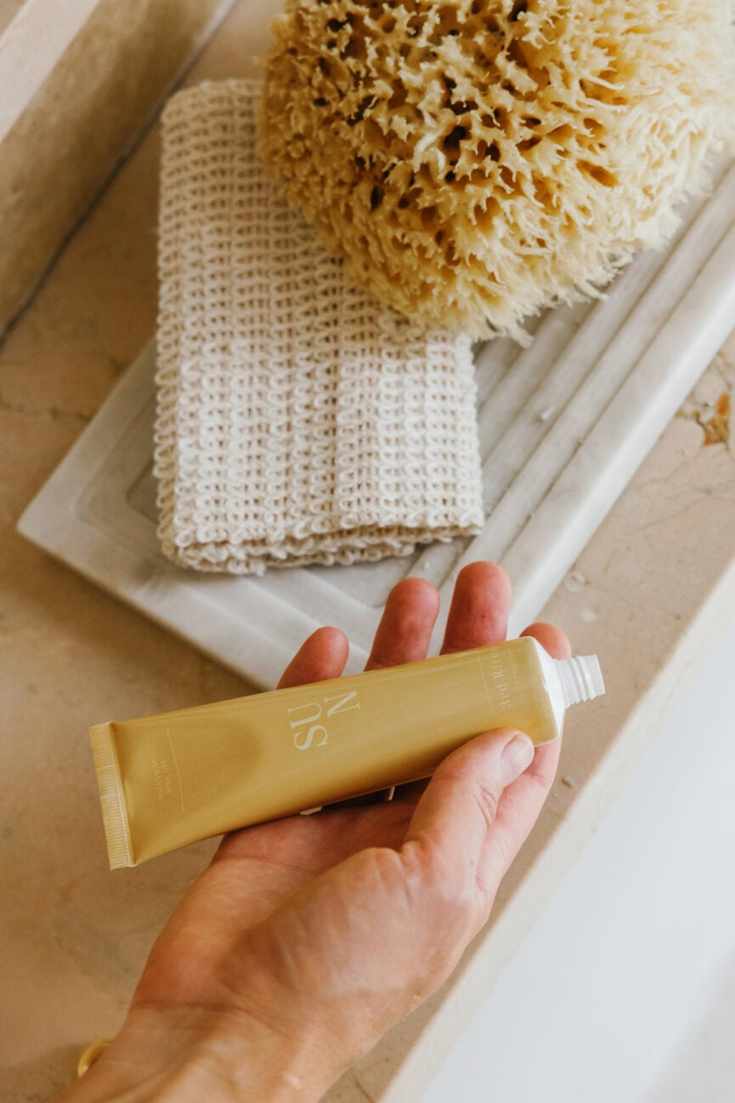
Choose body oils that offer a lightweight texture and sensory appeal. Use daily by massaging the oil into dry skin, or pair with lotion after showering for boosted hydration. This luxurious ritual leaves skin feeling incredibly soft.
$52 at CredoKlur Elements of Comfort Body Oil
$70 at Credo $58 at Oak EssentialsExperience a Treatment
Consider booking a session with a professional for a dry brushing treatment. You'll find it rejuvenating and revitalizing. This session combines dry brushing with gua sha techniques, enhancing circulation and skin softness while working with your body's energy. You may also find spa treatments that include dry brushing as part of their offerings.
30 Simple Delights to Add to Your June Calendar