

Basements often let in cold air, increasing heating expenses. Draft proofing is crucial for a comfortable, energy-efficient home.
Our HVAC professionals outline how to effectively draft proof a basement while highlighting common mistakes. By sealing gaps and enhancing insulation, you can make your basement a warm, practical area.
Managing your HVAC system and draft proofing your basement are vital for maintaining an efficient home climate.
Importance of Draft Proofing Your Basement

Drafts in a basement can create a cold environment and elevate energy bills by forcing your heating system to work harder. Draft proofing not only saves money but also maintains warmth, stopping cold air from penetrating other areas of your home. It's essential for improving comfort, lowering your carbon footprint, and promoting sustainability.
Josh Mitchell, HVAC technician, notes, 'Basements are draft-prone due to older windows, gaps around pipes, and unfinished walls. These issues can raise heating and cooling costs by as much as 25%, making upper floors feel colder.'
Steve Pacholski, president of an HVAC firm, adds, 'Moisture often accompanies drafts, leading to issues like mold or structural damage over time.'
Steps to Draft Proof a Basement

Start by identifying draft sources such as foundation cracks, gaps around windows, and leaks around pipes.
Pacholski suggests, 'Check windows and doors first. If you feel a draft, seal it. For a more precise check, use a candle. Move it around suspected areas; if the flame flickers, there's a draft.'
'Weatherstripping is a good initial fix, and caulking cracks helps significantly. For severe drafts from old windows, consider energy-efficient replacements.
'For doors, a sweep at the bottom and weatherstripping around the frame can block cold air. Seal any wall or floor cracks using silicone caulk or expanding foam, while larger gaps may require concrete filler.'
This versatile GE Silicone All Purpose Caulk from Lowe's is perfect for sealing basement windows and doors. The M-D White Vinyl/Foam Door Weatherstrip from Lowe's is flexible, easy to cut, and install.
Pacholski also mentions, 'Don't overlook ducts and vents as they can let in cold air if unsealed. Use foil tape or a quality sealant for these areas.'
Ensure vents themselves remain open to prevent mold risk. Learn how often to clean air ducts.
Mitchell adds, 'Spray foam insulation is effective for sealing gaps around pipes as it expands to fill uneven spaces. Don't forget the rim joist, where walls meet floor joists; seal it with rigid foam insulation and caulk.'
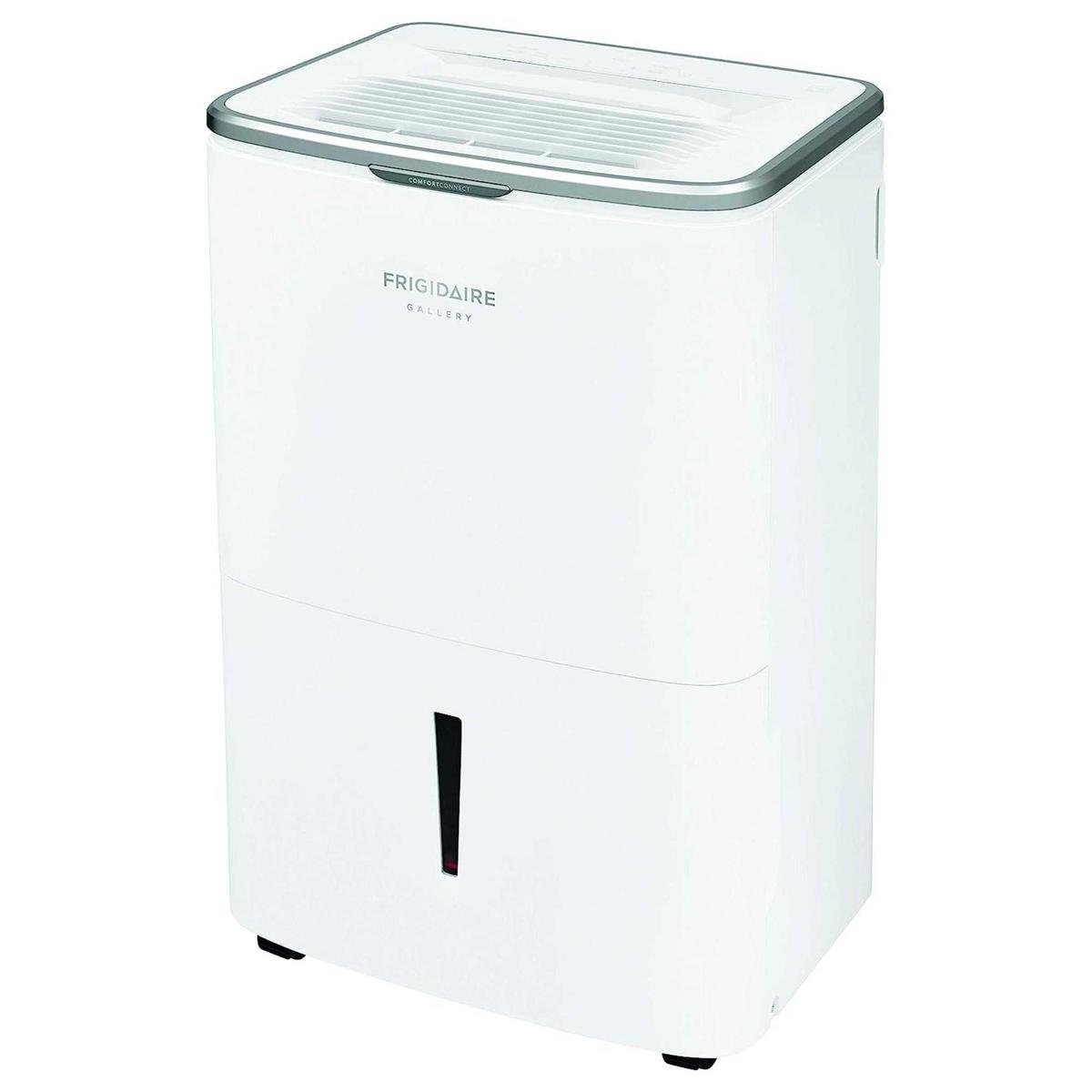
'Installing foam board insulation on walls and subfloor panels can significantly improve comfort in unfinished basements. A dehumidifier can also help manage moisture and indoor conditions.'
We've rounded up some recommended dehumidifiers below. First, here are some essential tips for purchasing a dehumidifier.
Prices correct at time of publication.
 For small spaces
The compact 30-oz CLEVAST dehumidifier is perfect if your basement is small. It's quiet, energy-efficient, and shuts off automatically when the tank is full to prevent overflow.
 For medium spaces
This full-feature dehumidifier excels at moisture removal, featuring an easy-to-clean washable dust filter and WiFi control. Its large 50-pint capacity includes a continuous drain option.
 For large spaces
This Poyank dehumidifier is ideal for large basements, covering up to 4,500 square feet. It features a 70-pint tank, a smart screen, and touch controls, plus automatic drainage options.
Common Mistakes When Draft Proofing a Basement

Adding rugs can provide an extra layer of insulation.
When draft proofing, avoid common errors like blocking vents or using subpar sealants.
Francisco Fuenmayor, a home improvement expert, advises against cheap, temporary fixes like plastic wrap on windows. 'They aren't attractive and lack durability,' he states. 'Additionally, avoid excessive insulation; it can create a sealed environment prone to condensation issues.'
For further tips, explore our smart basement insulation ideas.
Pacholski emphasizes the importance of keeping vents unobstructed to maintain proper airflow and prevent moisture buildup. Investing in quality sealing materials is essential, as inexpensive options may not endure and require frequent replacement.
Check out our expert guide on closing vents in unused rooms and how to prevent mold growth on air vents. If you find mold on vents, clean them promptly with a vinegar solution.
Pacholski concludes, 'Sealing may not be effective without proper insulation. Insulation is crucial for maintaining warmth.'
Pro pick: Great Stuff Pro Insulating Foam Sealant.
This highly-rated sealant is ideal for preventing drafts and water infiltration. Mitchell states, 'It's user-friendly, cost-effective, and perfect for DIY projects.'
Recommended Products for Draft Proofing

Quality products like foam sealants and weatherproofing strips are essential for sealing gaps.
Mitchell recommends the Duck MAX Strength Heavy Duty Insulating Film Window Kit from Amazon. 'This film effectively seals basement windows, blocking drafts and heat loss, reducing energy bills by up to 20%. It's easy to install and remove without damaging windows.'
Pacholski prefers the Frost King Clear Plastic Weatherseal Tape, available from Amazon, which is waterproof and can endure extreme temperatures. 'It's affordable and effective for sealing gaps around windows and doors.'
Fuenmayor recommends the AGHITG Window Insulation for Winter from Amazon. 'These insulated coverings are great for reducing drafts and managing temperature while dampening noise.'
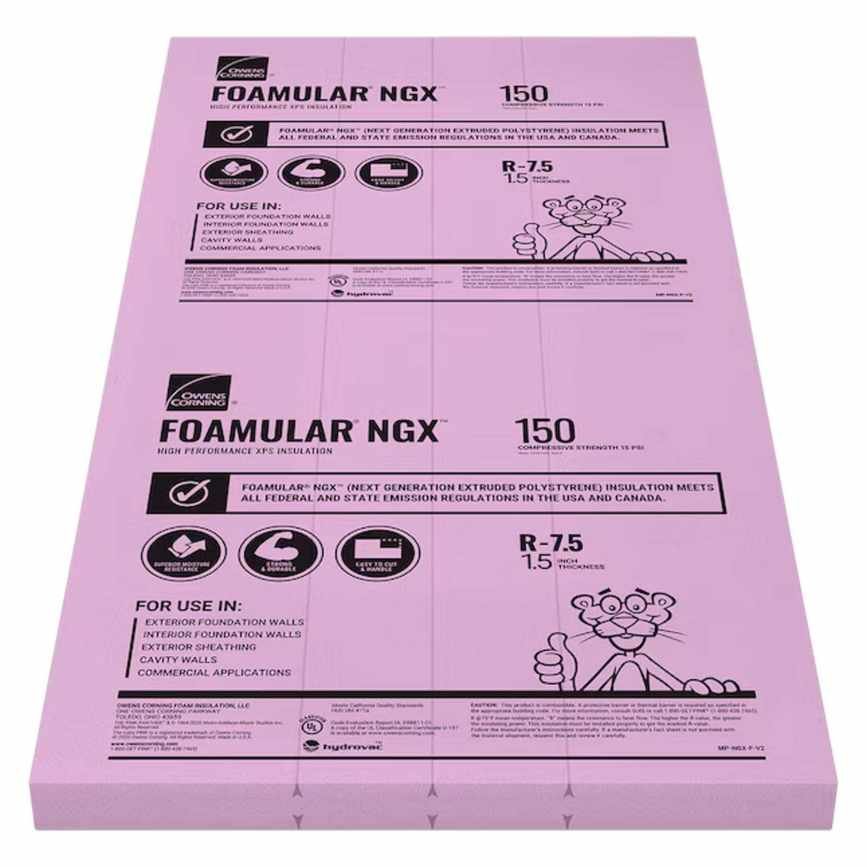
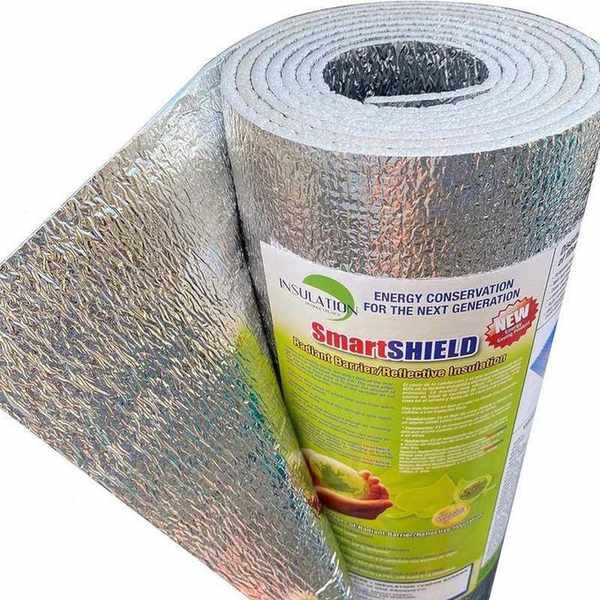
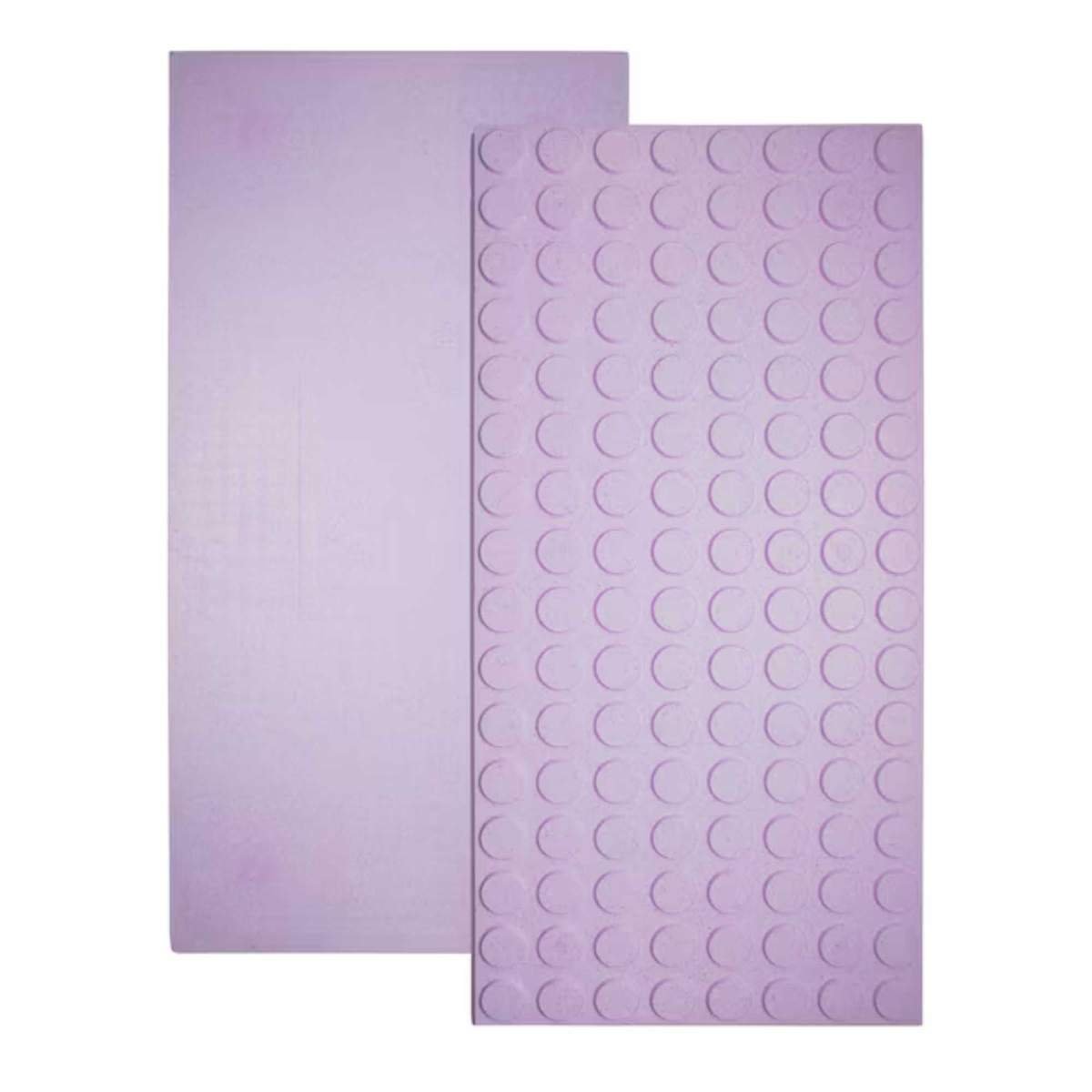
For larger insulation projects, consider rigid foam boards or spray foam insulation. Our expert recommendations follow.
 Lifetime warranty
This insulation board is moisture-resistant and easy to install, available in various thicknesses. With a high R-value, it helps maintain a comfortable temperature.
 Non-toxic material
This heat barrier reflects 95% of radiant energy, is lightweight, easy to cut, and unaffected by humidity, making it safe for basement use.
 Expert recommendation
DRICORE Insulated Subfloor Panels are lightweight, moisture-resistant, and easy to install, making them perfect for high-traffic areas.
Frequently Asked Questions
How can I identify drafts in my basement?
Check for drafts by feeling for cold air near windows, doors, and foundation cracks.
Mitchell suggests looking for cold spots, high humidity, or visible gaps. An infrared thermometer [available on Amazon] can help detect temperature differences, or use a candle to spot air movement.
Is special insulation needed for basements?
Yes, use insulation suitable for below-grade areas, such as rigid foam boards, to prevent moisture issues. Avoid fiberglass in damp areas as it may trap moisture and encourage mold growth.
Can I draft proof my basement on my own?
Yes, many draft-proofing tasks are straightforward DIY projects. Mitchell states, 'Sealing windows and using spray foam for gaps are manageable. However, more complex jobs, like insulating the rim joist, may need professional assistance.'
How often should I inspect my basement for drafts?
Inspect your basement for drafts annually, especially before winter. Regular checks help prevent gaps from worsening and maintain energy efficiency.
Does draft proofing help with moisture issues?
Draft proofing can help by sealing gaps that allow humid air in, but it's not a complete fix. Address issues like poor drainage or leaks before sealing.
Mitchell notes, 'Sealing drafts reduces humid air entry, lowering condensation and mold risk. Pair it with a dehumidifier for optimal results.'
Now you know how to draft proof your basement like a pro. This process enhances energy efficiency, increases comfort, and prevents drafts from affecting your home. With the right tools and techniques, you can create a warm, draft-free environment without heightening mold risk.
Explore tips to ensure your basement smells fresh.