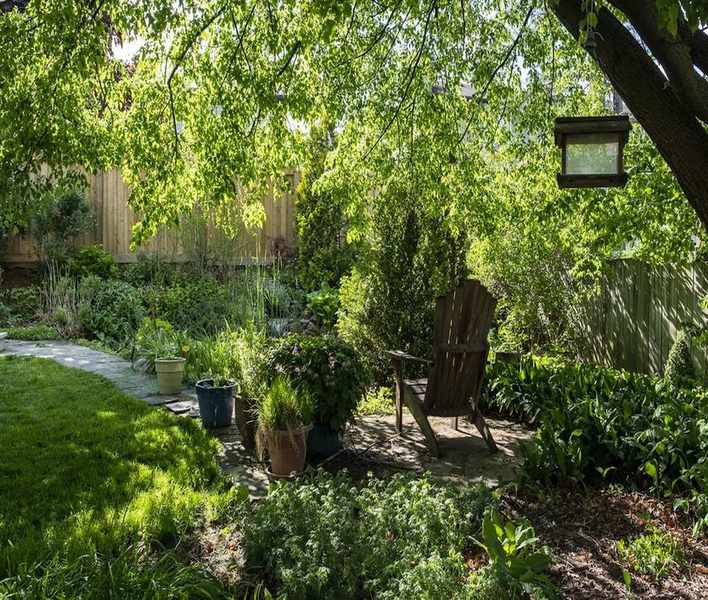
Dry shade poses a challenge for many gardeners. While sun-loving plants burst with color and fragrance, shade plants often lack the spotlight. Combine shade with drought, and finding reliable drought tolerant options can be a struggle.
Fortunately, numerous lush choices can thrive in these dim patches. They bring seasonal hues and texture to those dull spots under trees and buildings, enhancing the garden's appeal and biodiversity.
Here’s a selection of our top eight drought tolerant, shade-loving plants and tips for cultivating them.
8 Top Drought Tolerant Plants for Shaded Areas
Many perennials enjoy dappled shade and can withstand periods of drought. Initially, young plants require regular watering, but once established, they can survive short dry spells without harm.
Consider the evergreen climber Arabian jasmine or Jasminum sambac, lily grass bulb Ornithogalum umbellatum, and the unique umbrella plant Cyperus alternifolius. Here are eight more excellent choices for dry shade gardens.
1. Epimedium
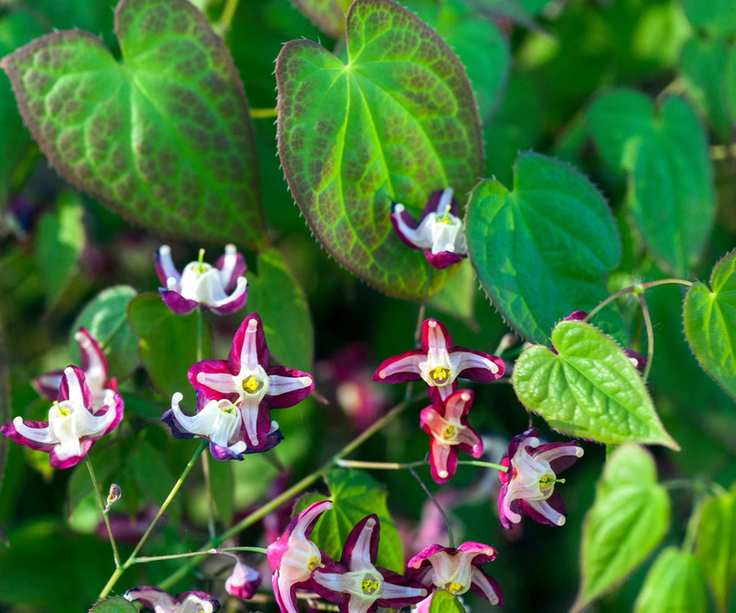
Commonly known as barrenwort, this underappreciated ground cover boasts heart-shaped leaves—green with hints of red or rust—and delicate flowers on slender stems. It thrives in deep, dry shade, making it ideal for those tricky spots beneath trees and shrubs.
With over 30 varieties of Epimedium, including the stunning 'Amber Queen', this plant is perfect for enhancing your garden’s biodiversity, attracting pollinators and providing shelter for small creatures.
2. Fatsia japonica
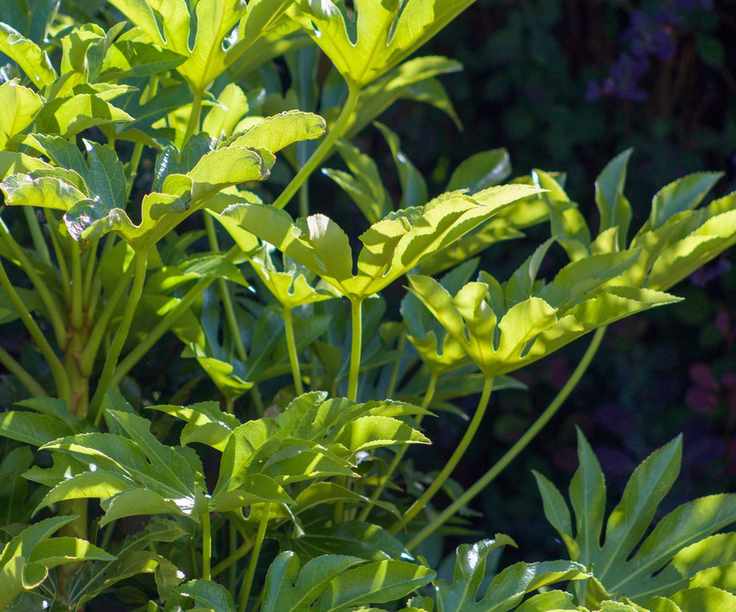
This stunning evergreen, known as Japanese aralia, is favored by gardeners for its glossy, lobed leaves and elegant appearance. It can reach 13ft in height over 20 years, making it a great choice for dry shaded spots, needing minimal care once established. Best suited for USDA zones 8-11, it showcases large green leaves and produces small white flowers followed by black fruits in autumn.
3. Pyracantha
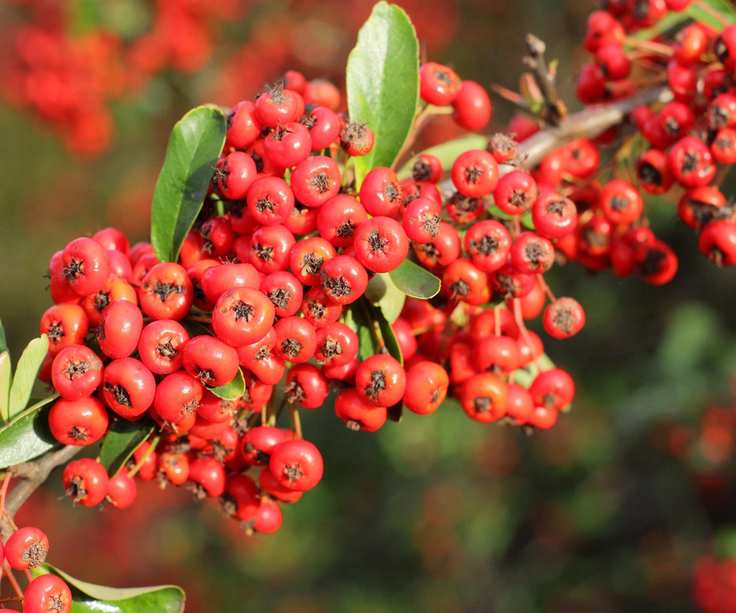
Pyracantha, also known as Firethorn, offers vibrant hedging with its orange-red berries and sharp thorns. This hardy shrub is a favorite among birds and can thrive in both sun and part shade, preferring USDA Zones 6-9. Find Firethorn plants at Nature Hills.
Its white summer flowers create a striking contrast against glossy foliage, and it grows up to 12ft wide and high. Space young plants 2ft apart for a dense hedge.
4. Fatshedera
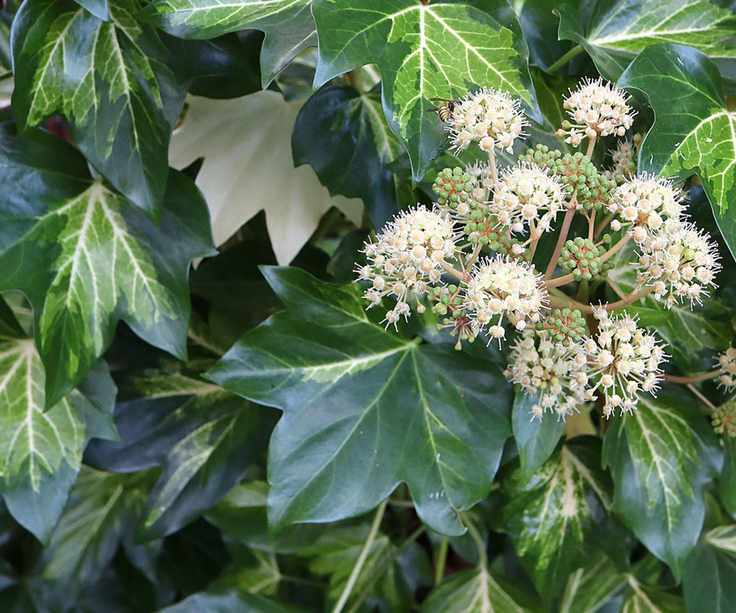
This hybrid of Fatsia japonica and English Ivy can be used as ground cover or an evergreen climber when trained. Tough and hardy, it can brighten shady areas with its large leaves without damaging structures. While young plants need regular watering, established plants tolerate drought well. Varieties vary from deep green to cream and gold. Hardy down to 5F, it will die back in colder temperatures but will regrow in spring. Suitable for USDA Zones 7b-9b, it can reach up to 5’6”.
5. Lilyturf
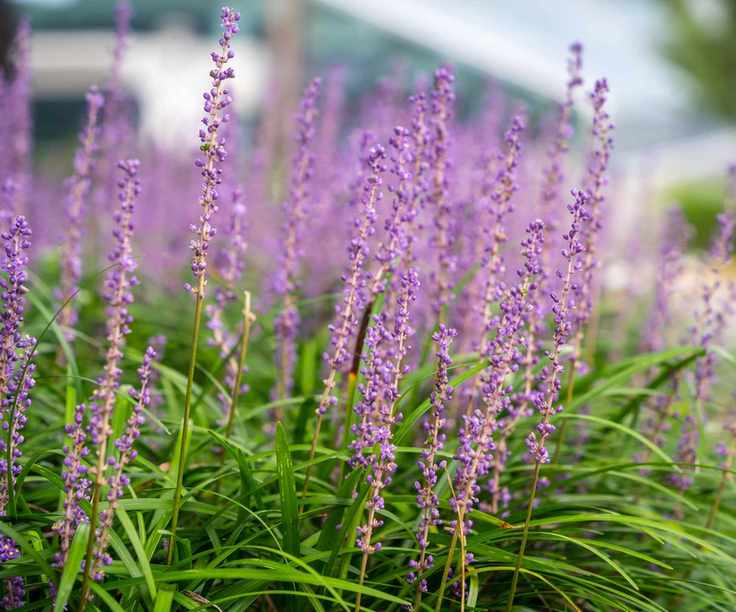
Liriope muscari, known as monkey grass, is a pet-friendly ground cover with upright evergreen leaves. This resilient plant adapts to various conditions, thriving from full sun to shade and tolerating different soil types.
According to master gardener Tabar Gifford, these plants are rabbit and deer-proof, making them an easy choice for low-maintenance gardening. They can be planted en masse or used to edge flower beds, providing attractive mounds that work well in rock gardens, woodland areas, and containers. They bloom with purple or white spikes in the fall, followed by clusters of dark berries. Easy to grow in USDA zones 5-10, it's crucial to know how to feed them for optimal health. You can find starter plants at Walmart.
6. Autumn fern
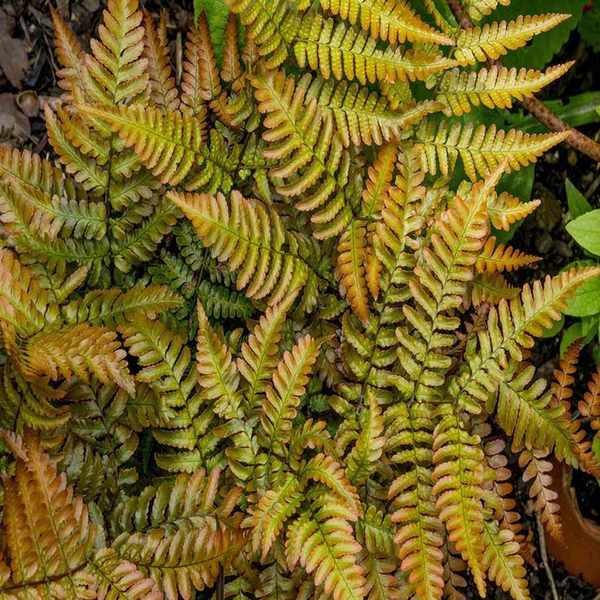
Understanding how to cultivate ferns is key for establishing shade-loving borders. Dryopteris ferns, also known as woodland ferns, feature upright fronds, often arranged like a shuttlecock. They come in both evergreen and perennial varieties, with new shoots unfurling into intricate fronds.
This diverse group offers various frond shapes and colors that change from spring to fall, often displaying red and golden hues. Nature Hills has a wide selection, such as the Brilliance Autumn Fern. Once established, this fern is surprisingly drought-resistant and can remain evergreen in warmer climates. Gifford notes that Dryopteris erythrosora adds a lovely rust color to shade gardens, complementing plants in similar tones.
7. Astilbe
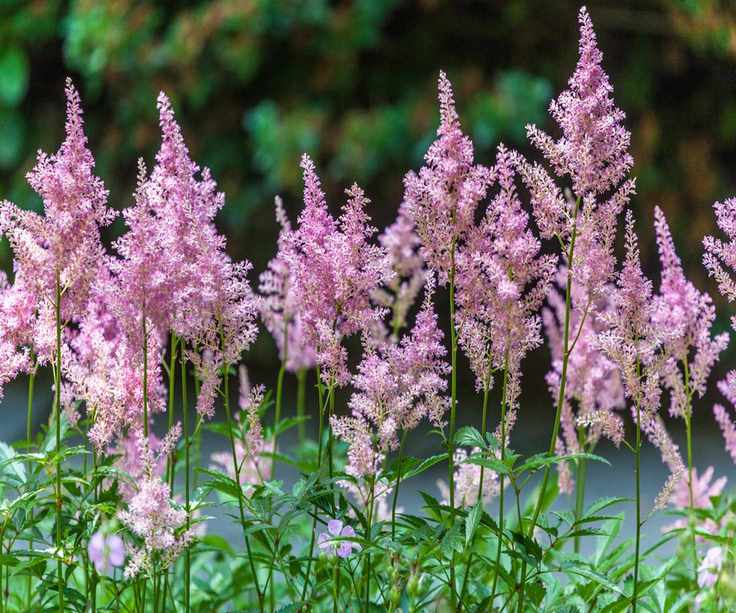
These compact perennials require minimal effort while providing year-round beauty with their fluffy flower spikes and attractive seed heads. Although they prefer damp conditions, some varieties adapt to drier settings once established.
According to Gifford, Astilbe chinensis, especially from the “Visions” series, thrives in shade and is more drought-tolerant than other varieties. This plant flourishes in USDA zones 4-8, producing colorful feathery flowers above fern-like foliage, enhancing the texture of shade gardens.
8. Chinese Wild Ginger
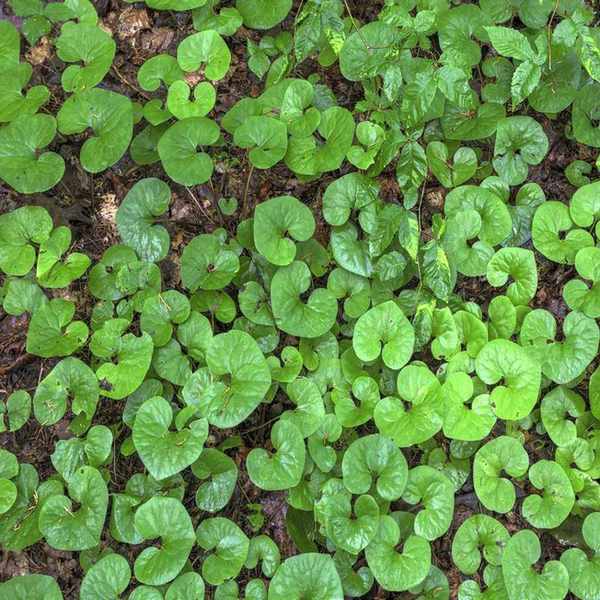
This perennial ground cover, known as Chinese wild ginger or asarum splendens, flourishes in USDA zones 2-8 and is highly drought-resistant. It forms lush carpets of heart-shaped leaves, standing only 6-8 inches tall.
Its dense foliage suppresses weeds while providing cover for small mammals and insects, obscuring its unique earth-toned flowers that bloom from April to June. This plant is deer and rabbit resistant, spreading through shallow rhizomes. Although toxic if ingested, it emits a slight spicy scent, deterring slugs.
For more ideas on managing those shady corners of your garden, explore these options for ground cover plants and the best shrubs for shaded areas.