
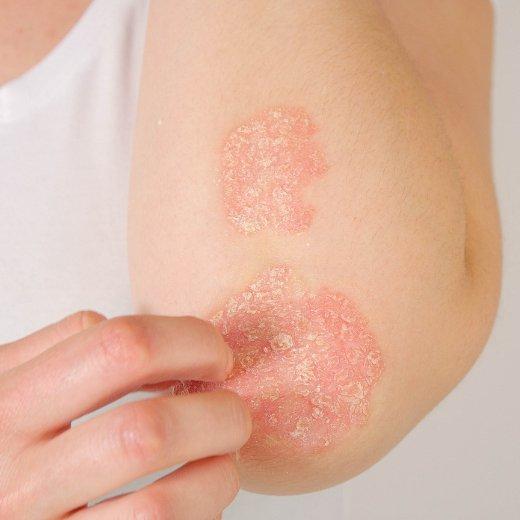
Living with psoriasis can really disrupt your daily routine. The physical discomfort and itch often lead to emotional stress, whether you're trying to hide your symptoms or feel self-conscious about them. Partnering with a knowledgeable dermatologist is essential for effective treatment. They can provide tailored care options, including prescriptions and specialized treatments.
In addition to professional advice, refining your skin care routine can significantly impact your psoriasis. Here are some skin care strategies to help reduce itchiness and improve comfort.
Focus on Hydration
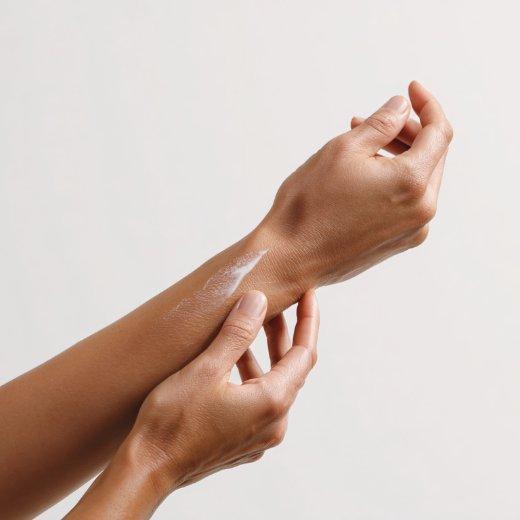
Dry skin exacerbates the itchiness associated with psoriasis. Thus, keeping your skin hydrated should be a top priority. Opt for hydrating products, such as gentle cleansers, and ensure you moisturize after every shower or bath. Don't forget to apply hand cream after washing your hands.
Be Mindful of Showers and Baths
While showers and baths are refreshing, they can also dry out your skin. You don't need to avoid bathing altogether, just make smarter choices. Consider these tips:
- Choose warm water instead of hot
- Limit showers to 5-10 minutes
- Use a moisturizing body wash instead of a harsh soap
- Gently pat your skin dry with a towel
- Apply moisturizer right after bathing
Making these small adjustments can keep your skin clean while protecting its health.
Have Itch-Relief Remedies Ready
Scratching may feel tempting, but it can harm your skin. Instead of enduring the discomfort, prepare some effective itch-relief methods. Applying moisturizer directly to the itchy area can provide relief. Alternatively, a cool, damp washcloth can soothe the skin by numbing the nerves that trigger the itch.
Consider Petroleum Jelly
If you encounter a stubborn flare-up, traditional moisturizers may not suffice. In such cases, petroleum jelly can be a game-changer. This common product effectively locks in moisture, alleviates dryness, and reduces itch. For enhanced effects, apply your regular moisturizer first, followed by a layer of petroleum jelly for added protection.
Embrace Sunlight
Sunlight can actually help manage psoriasis by slowing down cell turnover. Some treatments utilize UV light to combat symptoms. You don't need extended sun exposure; just 20 to 30 minutes daily can be beneficial. For safety, aim for exposure during less intense sun hours and protect non-affected skin with sunscreen.

Quit Nicotine
If you use nicotine in any form, it could be worsening your psoriasis. Nicotine can trigger flare-ups for some and worsen inflammation overall. If quitting seems daunting, studies suggest that even reducing nicotine intake can lessen its impact on your condition.
Opt for Alcohol-Free Skin Care
With psoriasis, your skin is already sensitive, so avoiding irritants is crucial. Alcohol is frequently found in various skin care products but can be very drying. Instead, look for alcohol-free toners and stay away from other common irritants like fragrances and sulfates.
Consult Your Dermatologist About Skin Care Products
With many skin care ingredients potentially aggravating psoriasis, it can be tricky to know what to avoid. Bring your regular products to your dermatologist's next appointment and ask them to evaluate their compatibility with your skin condition.
Collaborate with Professionals for Effective Management
Psoriasis can significantly affect your quality of life, but managing it is a team effort. By working closely with your dermatologist and implementing these skin care tips, you can effectively reduce itchiness and improve your overall comfort.