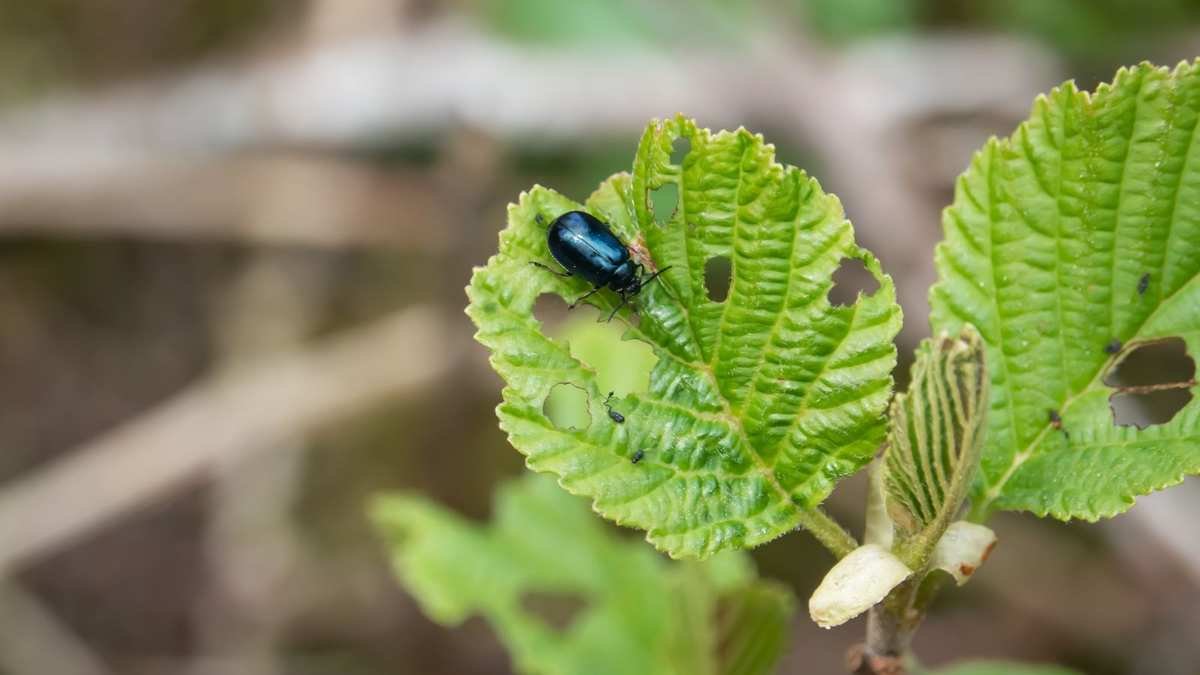
Think you know all the garden pests you might encounter? Think again! The variety of annoying critters in our backyards appears limitless. One such pest you might notice from spring through summer is the alder leaf beetle.
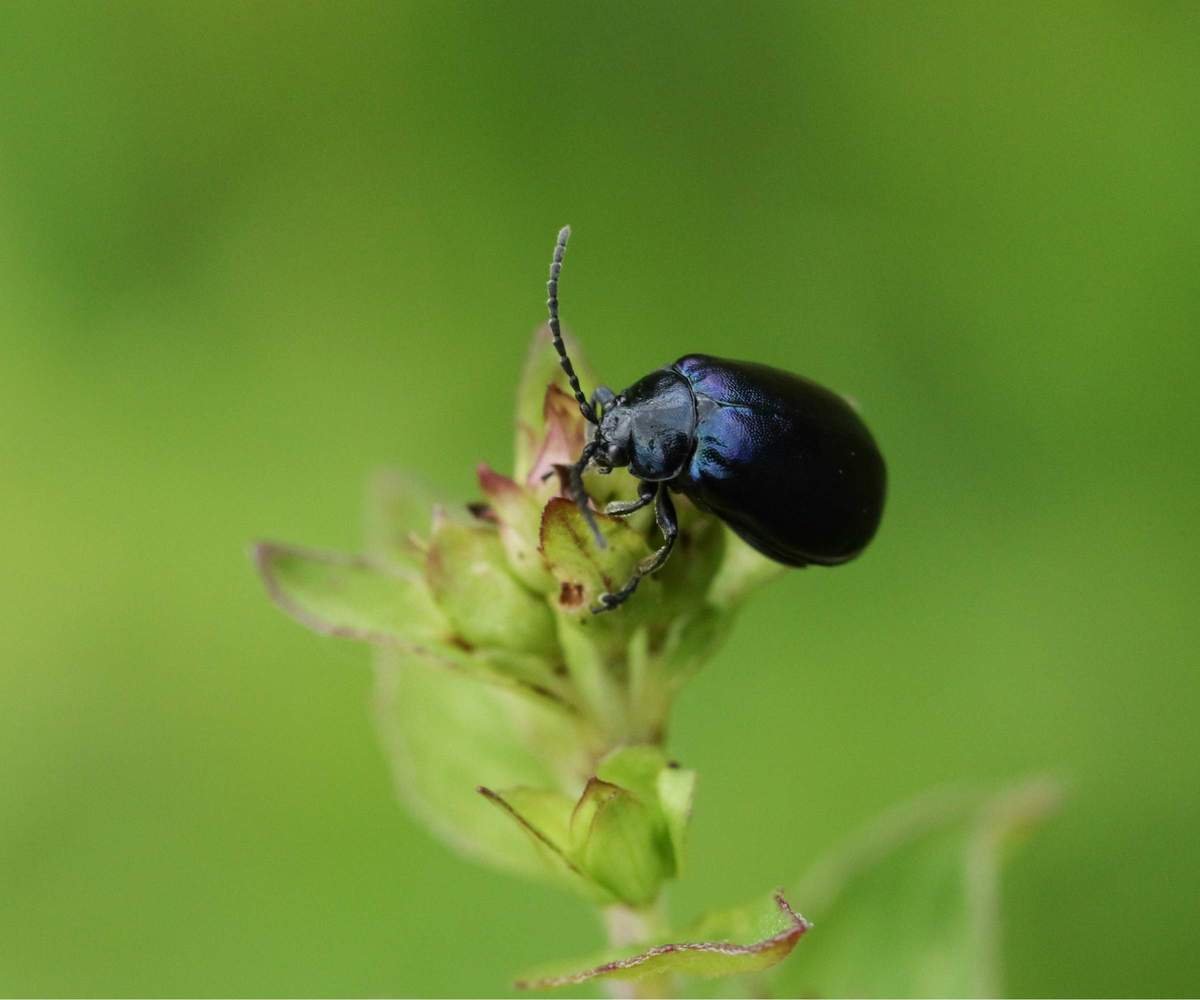
This small, shiny blue-black insect typically targets alder trees, which is how it got its name. Similar to tackling kudzu bugs and gypsy moth caterpillars, addressing an alder leaf beetle infestation is crucial to safeguarding your garden's foliage. According to entomologist Dr. Tracy Ellis, "Alder leaf beetles feed by skeletonizing leaves, consuming the softer parts while leaving the larger veins intact."
While they primarily affect alder trees, these beetles can also be found on beech and hazel trees. To prevent damage to your plants, consider implementing a few strategies to effectively eliminate alder leaf beetles.
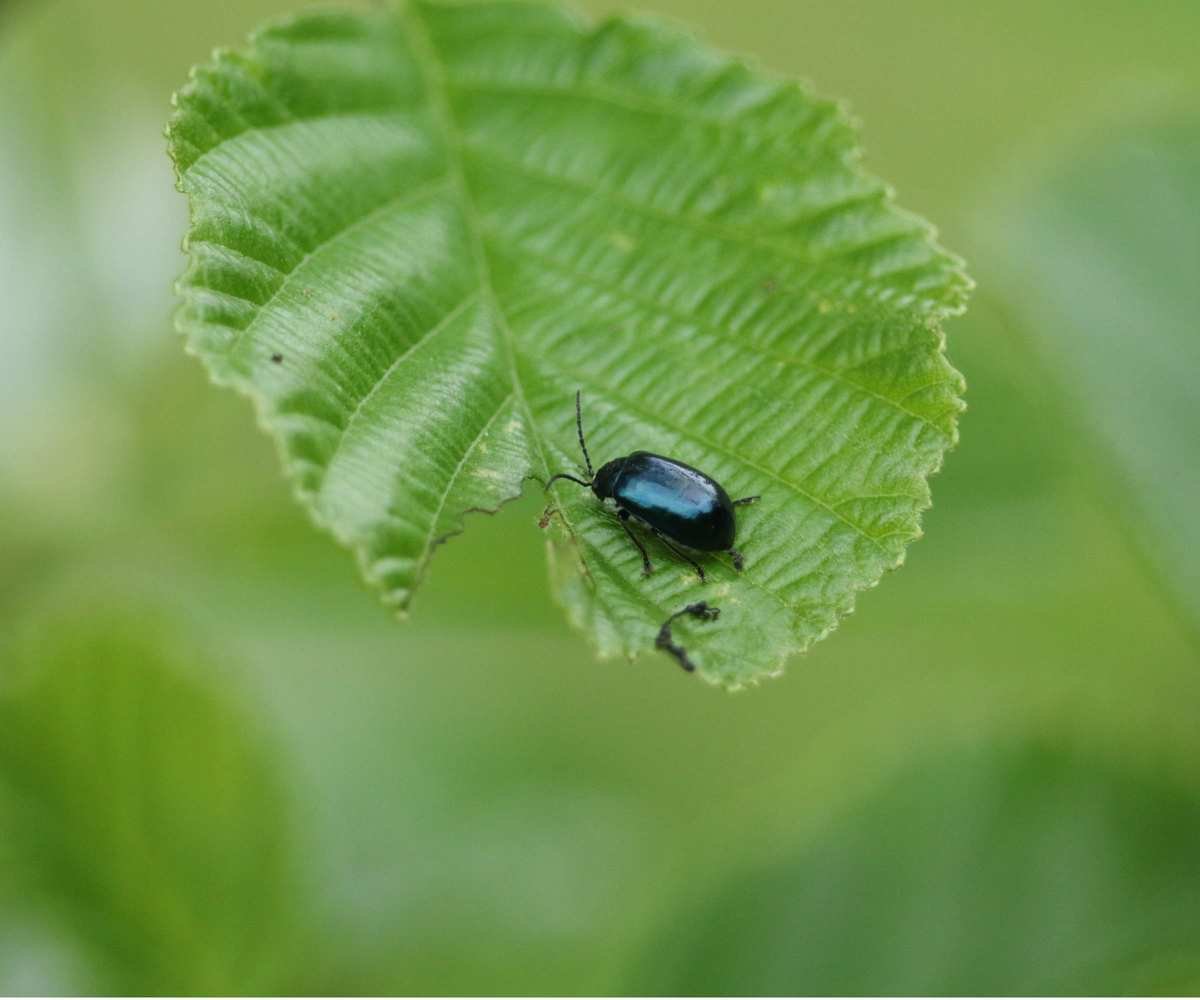
3 Effective Strategies to Eliminate Alder Leaf Beetles
Despite their unsightly damage, alder leaf beetles generally do not pose long-term threats to trees.
Dr. Ellis explains, "The tree typically recovers from damage. The pest tends to have occasional outbreaks, usually targeting unhealthy or overcrowded trees, and it only becomes a significant threat if it attacks the same tree consecutively for two or three years."
If you suspect your tree is being affected by these pests, don't fret. Here are some methods to help you get rid of alder leaf beetles and restore your plants to their former glory.
1. Attract Natural Predators to Your Yard
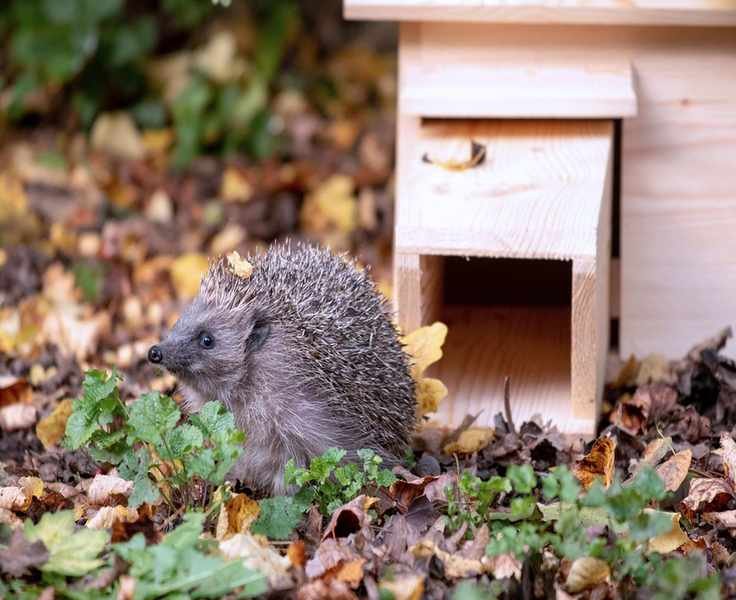
If there are only a few alder leaf beetles present, you may not need to take drastic measures, as natural predators can help control their population. You can enhance your yard's appeal to these beneficial creatures by selecting plants that attract pollinators and birds.
Dr. Ellis notes, "Alder leaf beetles are often kept in check by natural predators, pathogens, and parasites. Creating a landscape with a variety of trees and plants that provide pollen and nectar sources fosters a habitat conducive to these helpful organisms."
Consider establishing a wildlife garden that invites more natural predators of alder leaf beetles. You can easily grow a vibrant array of blooms by sprinkling wildflower seeds for butterflies and hummingbirds from Amazon in your yard.

Dr. Tracy Ellis is an accomplished entomologist at FarmSense. Her extensive experience includes collaborating with farmers, government agencies, and communities on pest detection and management strategies. Her research has significantly influenced the discovery, innovation, and commercialization of biopesticides.
2. Clear Away Fallen Leaves

Another effective strategy to eliminate alder leaf beetles and deter their return is to remove potential habitats. These pests not only feed on green leaves but also seek refuge beneath fallen leaves.
Dr. Ellis advises, "One effective method to reduce their population is to clear away fallen leaves from beneath the trees every autumn, eliminating the alder leaf beetle's overwintering site." She explains that each winter, these beetles hibernate in the leaf litter at the base of the tree.
Using essential gardening tools, such as this garden rake from Amazon, you can efficiently remove leaves from the base of your affected trees, reducing the alder leaf beetle population.
You might also consider several options for managing fallen leaves, like creating leaf mulch. Just be cautious not to transfer alder leaf beetles from one area to another while doing so.
3. Apply a Bug Spray

If you're facing a significant alder leaf beetle problem, using sprays can be an effective solution. You can even create a homemade bug spray using everyday items. For instance, soap can effectively eliminate pests.
Dr. Ellis explains, "Soap-based insecticides work well when sprayed directly onto the pests and are less harmful to beneficial insects, making them a preferred choice. These insecticides dehydrate the pests, leading to their demise."
You can also opt for this insecticidal soap from Amazon for use on various garden pests.
However, be cautious: soap-based insecticides can also damage the plants you aim to protect. It's essential to read and follow the instructions on the insecticide label to ensure proper and safe application," warns Dr. Ellis.
FAQs
When Should I Begin Protecting My Trees from Alder Leaf Beetles?
Alder leaf beetles typically emerge on alder and other tall trees from spring to summer. Experts suggest monitoring your vulnerable trees in early spring to stay ahead of them.
Dr. Ellis shares, "In early spring, if you spot shiny metallic blue beetles on your alder trees, this might indicate the start of a challenging beetle season. Follow up with monitoring in early summer for egg masses on the undersides of leaves. These egg masses consist of tiny yellow eggs clustered together on leaf undersides."
"If you notice numerous small holes in the leaves during early summer, it may be time to consult a professional arborist for advice on preventing further damage," she recommends.
Managing pests is an unavoidable aspect of gardening. Fortunately, while alder leaf beetles may not cause lasting harm to tree health, they can certainly make them look less appealing. By utilizing these methods, you can effectively manage these pests and keep your trees thriving.
Additionally, it's beneficial to familiarize yourself with common pest control mistakes to ensure you handle any issues effectively and eliminate pests once and for all.