
Are carpenter ants invading your home? It's essential to act quickly and effectively to eliminate them.
Though small and generally harmless to people, carpenter ants can inflict serious damage. These pests are among the most destructive insects in the US, capable of hollowing out wooden beams and compromising your home's structure.
Being among the most common indoor pests, you might know how to handle typical ants, but carpenter ants require prompt and careful action due to the potential for extensive damage. We consulted pest control experts for their best tips on identifying and managing these invaders.
Effective Ways to Remove Carpenter Ants
1. Accurately Identify Carpenter Ants
The first step in addressing the problem is to confirm that you are dealing with carpenter ants, as different ant species require different approaches.
According to Dr. Tracy Ellis, an award-winning entomologist, numerous carpenter ant species in North America are known for their destructive tunneling behavior. The Camponotus species is particularly notorious for its extensive damage.
Commonly found species include Camponotus pennsylvanicus in the Northeast, East, and Midwest, and Camponotus floridanus in the Southeast. The Camponotus moduc, recognizable by its red and black legs, inhabits the Northeast and West.
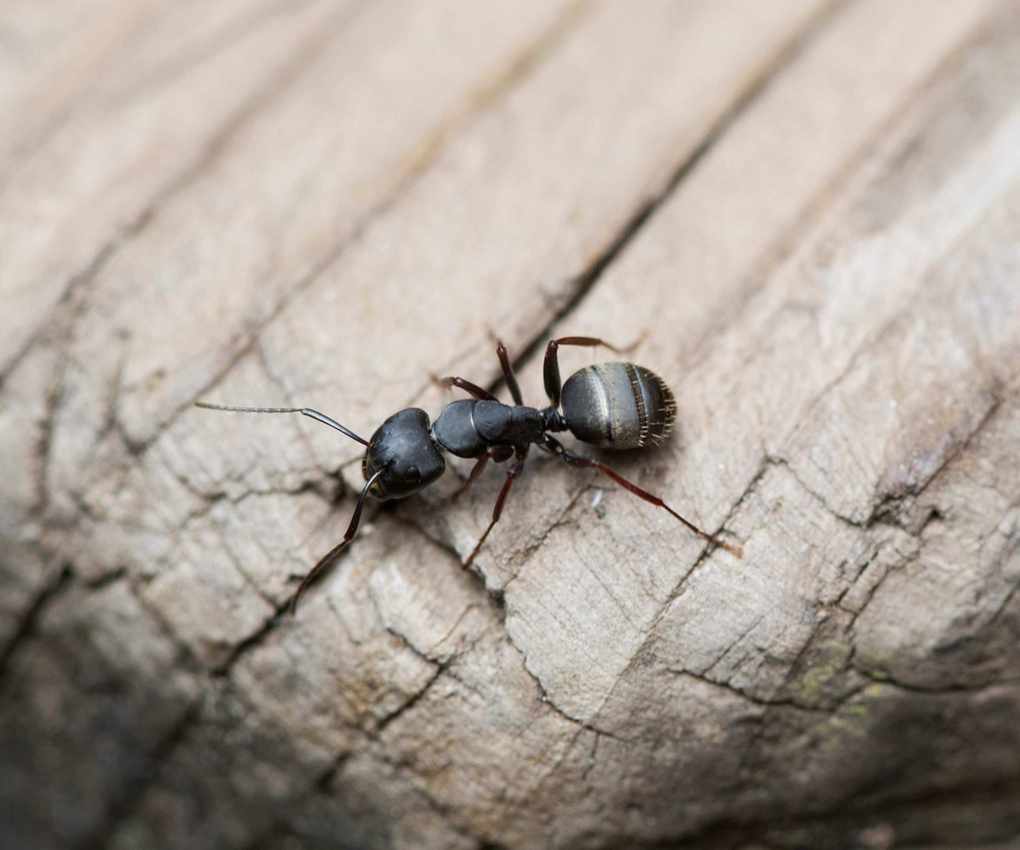
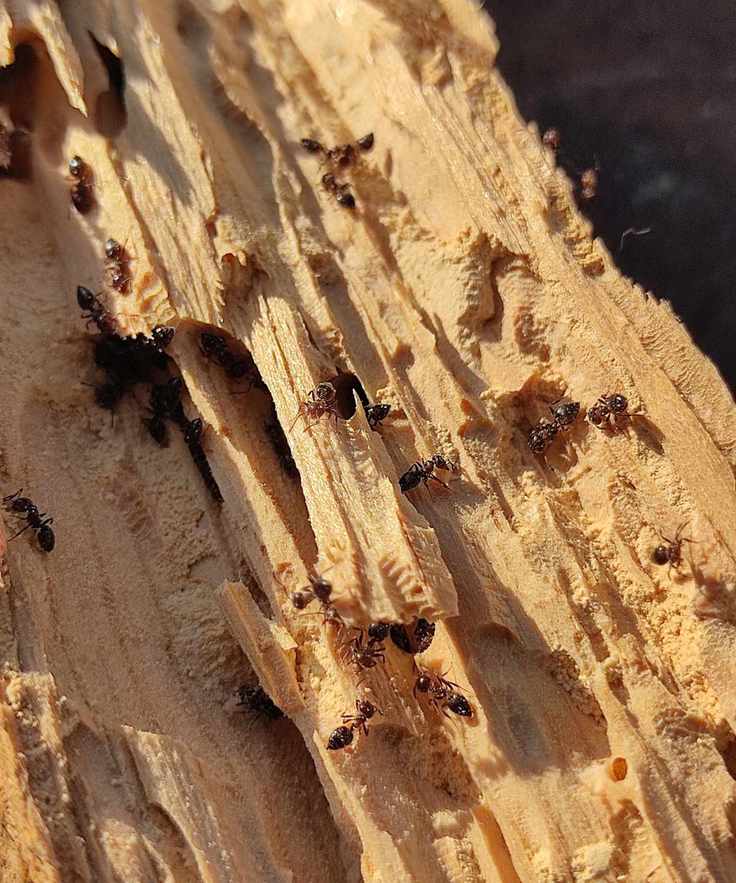
Unlike termites that consume wood, carpenter ants excavate it to create nests. They can be identified by their wasp-like waist and elbowed antennae, and they often leave behind piles of wood shavings or small pellets near wood structures.
2. Find the Nest and Assess the Infestation
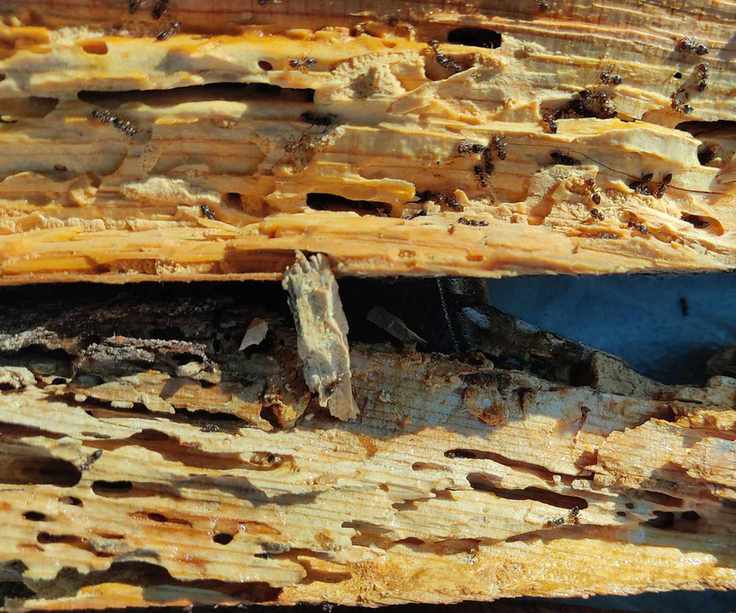
Once you've confirmed the presence of carpenter ants, locating their nest is crucial. They prefer moist, decaying wood but can also nest in dry wood. Follow any visible ant trails to trace them back to their nest.
These ants create satellite colonies when resources are low. Keeping an eye on external colonies is essential for protecting your home.
Listening for movement inside walls can help pinpoint the nest location. A moisture meter can further assist in identifying the nest's exact position.
Carpenter ants live in a network of nests, including a parent colony outside and satellite nests nearby. To effectively eliminate the infestation, all nests must be addressed.
3. Seal Off Entry Points to Small Nests
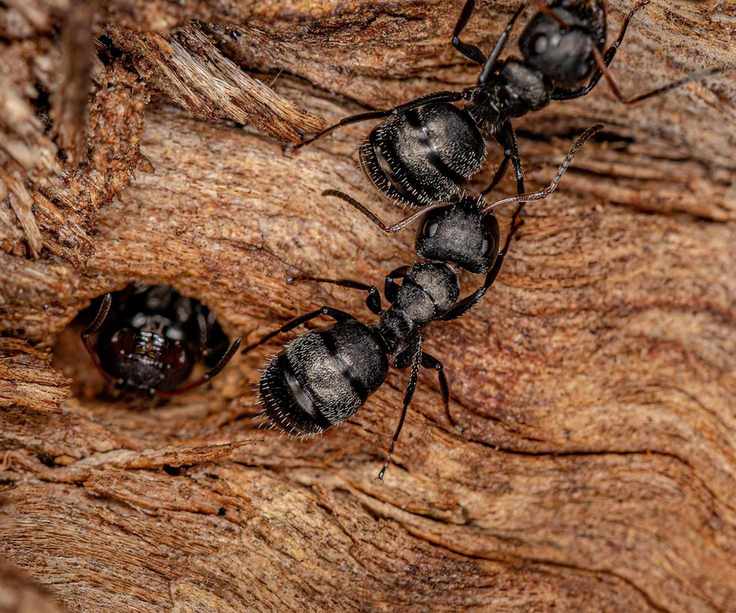
If a smaller nest is found, apply an aerosol or dust insecticide directly into the void for immediate eradication.
Consider using a dust-based insecticide, like the JT Eaton 365 Answer Boric Acid Insecticidal Dust available at Amazon. This product penetrates wall voids effectively.
Additionally, replace any damp wood to eliminate nesting areas, especially in spots prone to moisture, like around the foundation or gutters. Proper ventilation can help avoid moisture buildup in critical areas.
4. Utilize Bait and Pesticide for Large Nests
The best method for getting rid of carpenter ants combines bait with pesticide. This approach lures ants to a pesticide-laced bait, effectively decreasing their numbers.
For effective results, place bait near ant trails but not directly on them. Use a mixture of equal parts borax and insecticide with sugar to attract the ants.
Remember not to use sprays on ant trails, as they only kill visible ants and not the entire colony. Instead, focus on baits that target the heart of the infestation.
5. Prevent Future Infestations with Home Remedies

After dealing with the infestation, take steps to prevent future visits. Avoid using harsh chemicals that may harm pets or children; instead, consider eco-friendly deterrents.
- Diatomaceous earth: This non-toxic powder dehydrates and kills ants safely. Sprinkle it around your home's perimeter.
- Cinnamon: The scent of cinnamon acts as a natural repellent. Apply cinnamon oil or powder near entry points.
- Chalk lines: Drawing chalk lines can disrupt ant trails due to calcium carbonate content.
- Bay leaves: Place bay leaves in cabinets and pantry areas to deter ants with their strong scent.
FAQs
Are carpenter ants harmful?
While carpenter ants are not typically dangerous to humans, they can bite when threatened. However, the damage they cause to structures can be significant.
Why are carpenter ants in my home?
Carpenter ants are attracted to food sources. They thrive on crumbs and spills, so keeping your kitchen clean is crucial.
What scents repel carpenter ants?
Essential oils are effective in repelling carpenter ants. They dislike the smells of peppermint, lemongrass, and tea tree oils. Other options include cayenne pepper and vinegar.
Struggling with an ant problem in your kitchen? Discover effective solutions to eliminate them.