Gravel is widely used in yards, whether for driveways or low-maintenance gardens. Unfortunately, weeds often find their way through it.
This popular landscaping choice works well for paths and seating areas, but without a weed barrier, it can become infested with unwanted plants.
There are effective ways to eliminate weeds from gravel, whether you're tackling them manually, using natural remedies, or resorting to chemical solutions. It's best to explore all options before using chemical weed killers.

Weeds can detract from the beauty of gravel spaces
7 Strategies to Remove Weeds from Gravel
Whether you have a gravel garden or a gravel patio, weeds can become a nuisance. Gravel enhances many landscaping ideas, but it can quickly lose its appeal if overrun by weeds.
Addressing weeds promptly prevents them from spreading and causing more issues.
Here are seven strategies to effectively eliminate weeds from gravel.
1. Hand Pulling
Hand pulling remains one of the most effective methods for weed removal. Although it can be labor-intensive, especially over large areas, it allows for thorough removal.
To ensure success, grasp the stem and gently pull to extract the entire root. Merely removing the visible part of the weed won't work, as it will likely regrow. Tools like trowels or forks can assist in loosening the weed from the gravel. If the weed breaks, dig deeper to extract the remaining roots.
Fortunately, many self-seeding annual weeds have shallow roots, making them easier to remove. In contrast, established perennial weeds or those with deep taproots can pose more of a challenge.
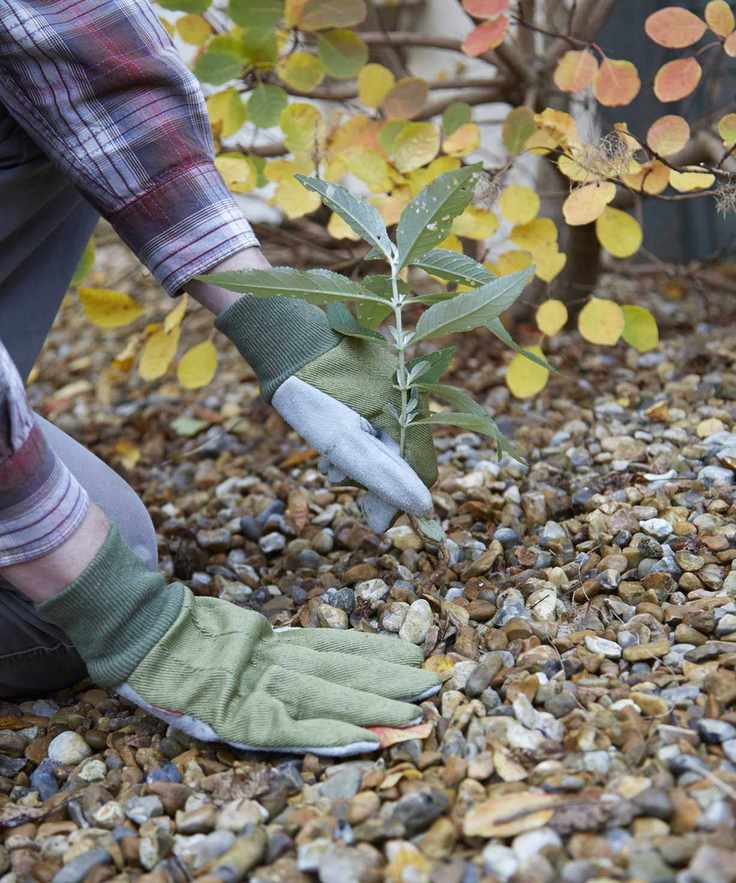
Hand removal is effective but requires time and effort
2. Employ a Hoe
For those who prefer not to kneel, using a hoe can be a practical alternative for weed removal. However, it's important to note that this method may only remove the tops of some weeds, allowing roots to resprout.
While a hoe can be effective against certain shallow-rooted annual weeds, it's crucial to avoid using it on perennial weeds.
Combining a hoe with a rake can help remove shallow-rooted weeds effectively, and sifting through the gravel afterward may be necessary to clear away any debris.
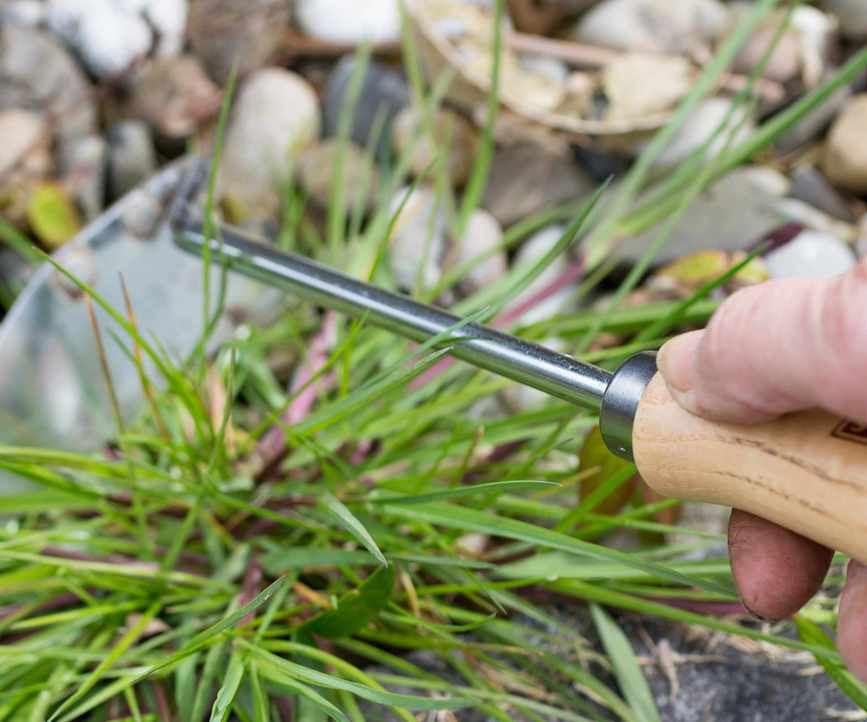
A hoe can help tackle shallow-rooted weeds effectively
3. Create a Homemade Weed Spray
Homemade sprays can be quite effective against weeds in gravel, with vinegar being a common ingredient. A mixture of one gallon of vinegar, one cup of salt, and a tablespoon of dish soap can yield impressive results.
Transfer the solution into a spray bottle, available from Amazon, and apply it to the weeds during warm, dry conditions to maximize effectiveness.
This vinegar solution works best on young annual weeds and may require several applications for older or perennial weeds.
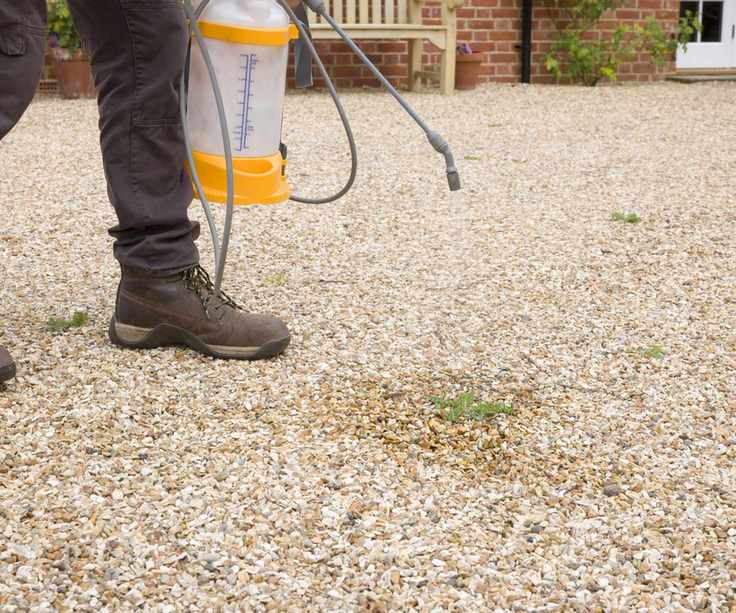
Vinegar-based weed killer is effective on young weeds
4. Boiling Water Method
Using boiling water can help remove weeds from gravel, but it's not the most efficient method for larger areas. This technique primarily targets young weeds just emerging through the gravel.
Boiling water will only kill the visible parts of the weed, leaving roots intact. Therefore, it's only marginally effective and best suited for a few small patches of fresh weeds.
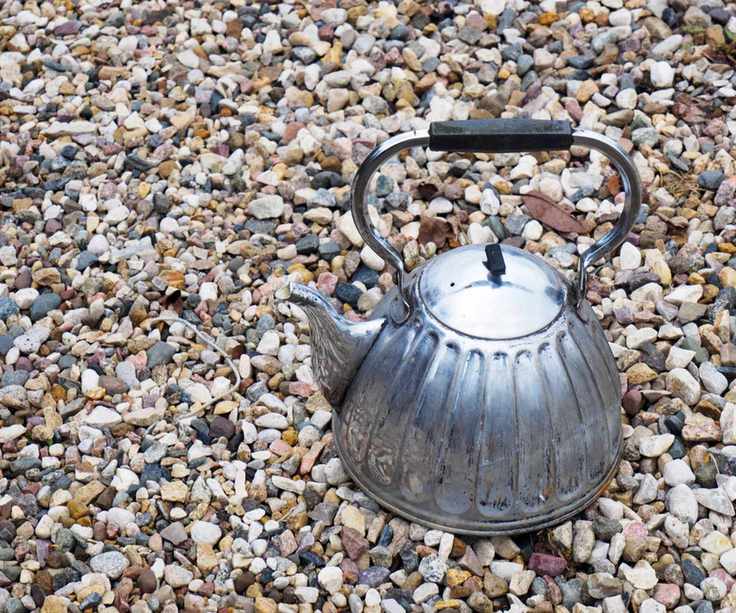
Take care when using boiling water to avoid accidents
5. Utilize Rock Salt
Rock salt is a popular choice for killing weeds in gravel, as it dehydrates plants and disrupts their water balance, often killing them within days. While salt can damage soil if used excessively, it's a suitable option for gravel areas.
To use, sprinkle a small amount at the base of the weed, or dissolve one cup of rock salt in one gallon of water and spray the mixture directly onto the weeds.

Rock salt is more effective than table salt for weed management
6. Flame Weeding
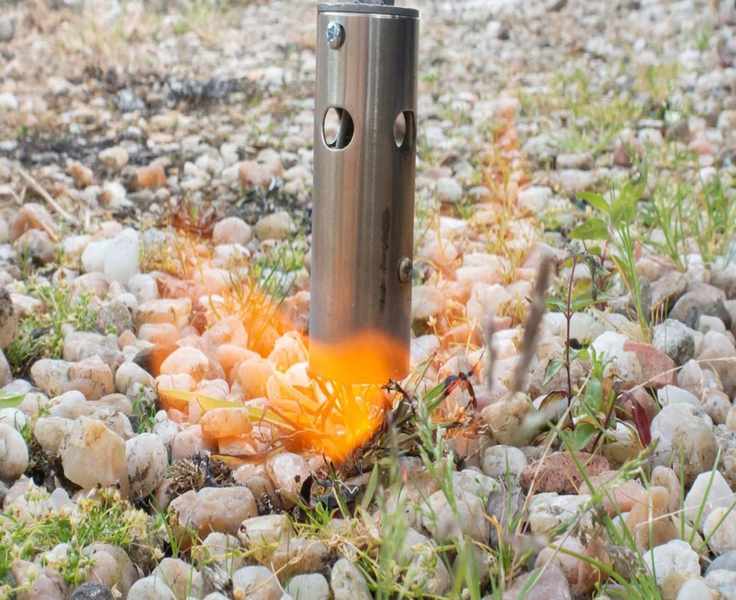
A flame weeder can effectively kill weeds, though caution is essential. This tool uses a wand connected to a propane tank to apply heat directly to the plant, killing it quickly.
While it effectively eliminates annual weeds, it may only damage the surface of perennial weeds, leaving their roots intact. Weeds with long taproots might require multiple treatments.
When using a flame weeder, be cautious of surrounding plants and potential fire hazards. Electric thermal weeders offer a flame-free alternative that uses high heat to eliminate weeds safely. One example is the Saycker Electric Thermal Weeder, available at Amazon.
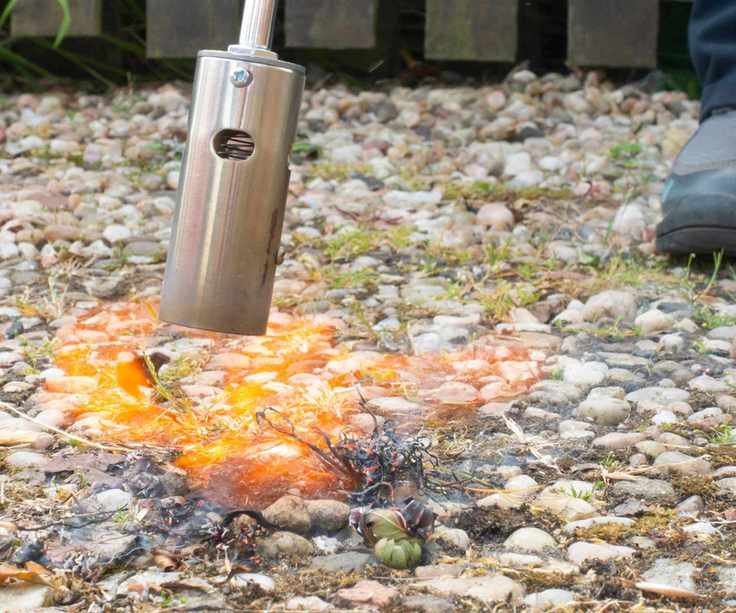
A flame weeder effectively incinerates weeds
7. Chemical Solutions
Many gardeners instinctively reach for chemical weed killers when faced with unwanted plants. Numerous chemical options can effectively kill weeds, but it's crucial to select a targeted product to avoid harming surrounding plants.
Chemical weed killers may take several days to show results, so patience is necessary. It's wise to consider this option only as a last resort since it exposes you to harmful chemicals, including glyphosate, which can be hazardous to health. Avoid using these substances near edible plants.
FAQs
What's the best tool for weeding gravel?
A long-bladed trowel or weeding knife is ideal for removing weeds from gravel. The Fiskars Xact Garden Hand Weeder, available at Amazon, offers a serrated blade that can effectively reach deep-rooted weeds.
How can I prevent weeds in my gravel?
To prevent weeds from growing in gravel, consider laying landscape fabric or a weed membrane beneath it. This layer smothers weeds and blocks their growth.
Regularly raking the gravel also helps, as it removes young weeds and disrupts weed seeds from germinating.
Timely intervention is key in managing gravel weeds. Each method works best on small weeds, and delaying action only limits your options. Promptly removing weeds helps prevent them from seeding and creating new generations. Hand weeding is often the most efficient method, but keep chemical options as a final resort.