Aphids are small pests that can wreak havoc in gardens, appearing as soon as temperatures rise. They feed on plant sap, causing leaves to curl and attracting black mold.
These pests often target new plant growth, with some hiding in the soil or roots, making them hard to spot.
Our resource covers how to spot and remove aphids, ensuring your garden stays healthy.
Identifying Aphids
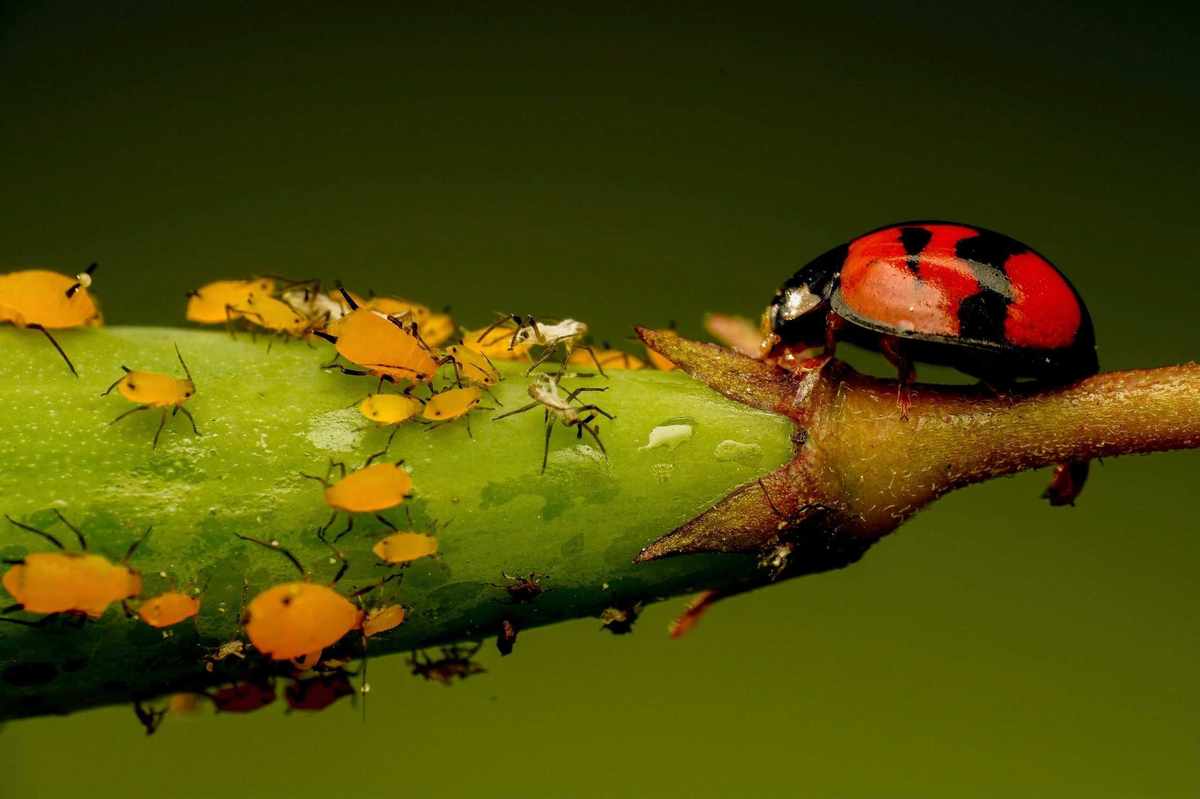
These tiny, pear-shaped insects measure ¼ inch or less (1 to 7mm) and often gather in large numbers on stems or the undersides of leaves. Look for galls on the tops of leaves, which indicate aphid presence.
Aphids come in various colors, including green, black, yellow, orange, brown, and pink. Some, like the woolly beech aphid, have a waxy white coating. While most don't fly, a few develop wings to migrate to new plants.
Impact of Aphids on Plants
It's crucial to remove aphids to protect your plants, much like addressing snail infestations or slug problems. These pests thrive on succulent plant sap, leading to weak growth, distorted leaves, and sticky honeydew that promotes mold. Ants often farm aphids for their honeydew, providing them protection from predators. Some species can also transmit viruses to plants.
Monitor your plants closely, especially in spring when aphids are most active.
Getting Rid of Aphids
Begin with non-chemical methods for pest control. If an infestation becomes severe, consider using pesticides, but be aware they can harm beneficial insects, other plants, pets, and people. Organic options are preferable if you must use chemicals.
Start with manual removal. If you see aphids, squish them between your fingers.
A powerful spray of water from a hose can dislodge them, though this might damage delicate plants. It's effective for larger shrubs and trees.
In winter, check for aphid eggs on fruit trees and shrubs, removing them using a plant oil wash on a dry, frost-free day. A thorough job now can prevent spring infestations.
Using Soapy Water
Cleaning leaves and stems with soapy water or spraying them from a bottle can be effective. Use pure Castile soap, avoiding additives found in dish soaps. Always test on a few leaves first to ensure no damage occurs.
Diatomaceous Earth for Aphids
Sprinkling diatomaceous earth on aphids can dehydrate them by piercing their outer layer. Though it's a non-chemical solution made from fossilized algae, use it sparingly to protect other beneficial insects and pollinators in your garden. Avoid application during blooming periods.
Encouraging Aphid Predators
Natural enemies of aphids include ladybugs, hoverflies, ground beetles, earwigs, and parasitic wasps. Planting flowers these insects are attracted to can help control aphid populations.
For greenhouse infestations, consider introducing beneficial insects, such as hoverfly larvae, which will lay their eggs in aphids, effectively eliminating them.
Homemade Pesticide Solutions
Neem oil, derived from the Azadirachta indica tree, acts as a natural insecticide against aphids. Mix a quart of water with a teaspoon of neem oil and a third teaspoon of mild soap, then spray on affected plants. Test on a few leaves first and avoid applying in direct sunlight to prevent leaf burn. Wash produce thoroughly before consumption and keep away from pets.
Remember, neem oil may require multiple applications due to its short persistence.
Pesticides as a Last Resort
If absolutely necessary, opt for organic pesticides. Those containing natural pyrethrum, fatty acids, or plant oils can be effective, but follow the instructions carefully and be cautious of harming beneficial insects. Ensure children and pets are kept away from treated areas.
Organic fumigants can be used in greenhouses, and a plant oil wash can control aphid eggs on fruit trees and shrubs.
Dealing with Root Aphids
Identify root aphids by observing stunted growth and unhealthy foliage. Look for a waxy residue instead of the aphids themselves, and note the presence of ants feeding on honeydew.
Regular watering can help wash away root aphids, and young plants may be repotted in fresh soil. Cover vulnerable young plants with insect-proof mesh during peak seasons to deter aphids. Remove affected plant material and avoid replanting similar crops in that area for a year.
Planting Strategies to Deter Aphids
To protect susceptible plants, consider planting fragrant alliums like garlic or onions nearby. You can also plant species that aphids prefer, such as nasturtiums and cosmos, to divert them from your prized flowers.
Additionally, marigolds, fennel, and Michaelmas daisies attract aphid predators like ladybugs and hoverflies, helping keep aphid populations in check.