Eliminating mushrooms on your lawn may feel like an ordinary chore for gardeners, but it doesn't have to be difficult. With the right approach, you can achieve a stunning lawn free of fungi.
Lawn expert John Negus explains that mushrooms thrive on decomposing organic matter in the soil. The first step in eliminating them is to address their food source.
This guide outlines essential measures to follow. Coupled with proper lawn care, you'll soon enjoy lush, vibrant grass that looks immaculate.

With over 50 years in garden journalism, John often addresses reader inquiries in Amateur Gardening magazine. He has authored four books and delivered numerous horticulture talks.

Mushrooms frequently appear in lawns, but effective solutions exist
How to Prevent Mushroom Growth on Your Lawn: Expert Recommendations
Restore your lawn's beauty with these straightforward strategies.
1. Eliminate the Food Source for Mushrooms
'You simply need to clear away the material mushrooms feed on,' advises Jason Vergara, founder of the World Mushroom Society. 'Typically, this involves removing dead plant matter.'
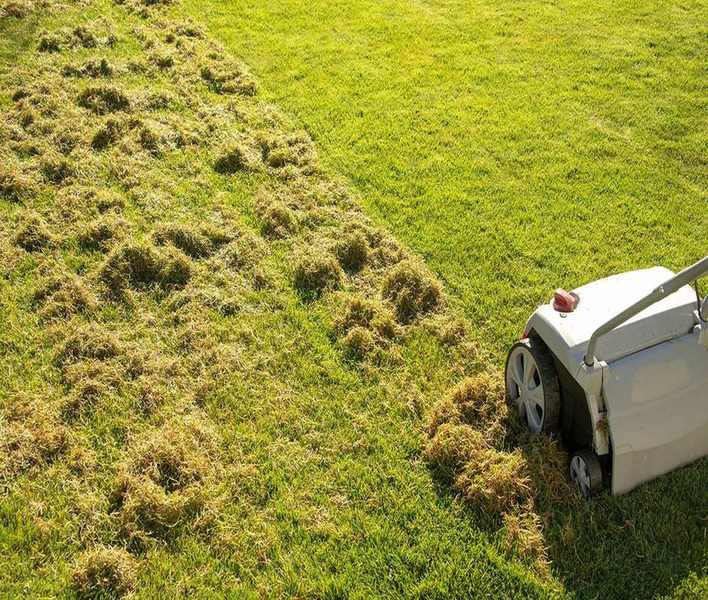
Jason emphasizes that without a food source, mushrooms can't thrive. Regularly clear away fallen leaves (which can be composted into leaf mold), tree bark, branches, and other debris. Additionally, dethatching your lawn can help combat this issue.

Mushrooms thrive on lawn debris
2. Keep Your Lawn Well-Maintained
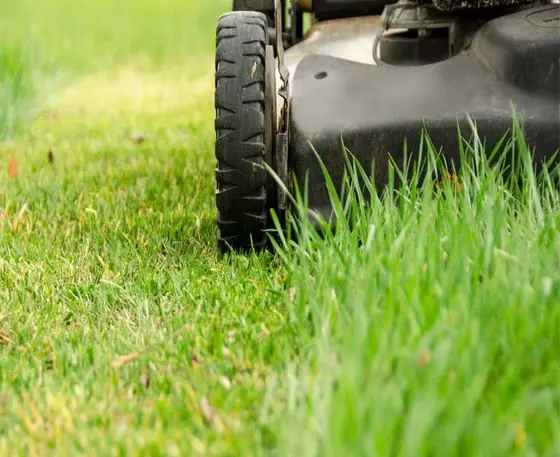
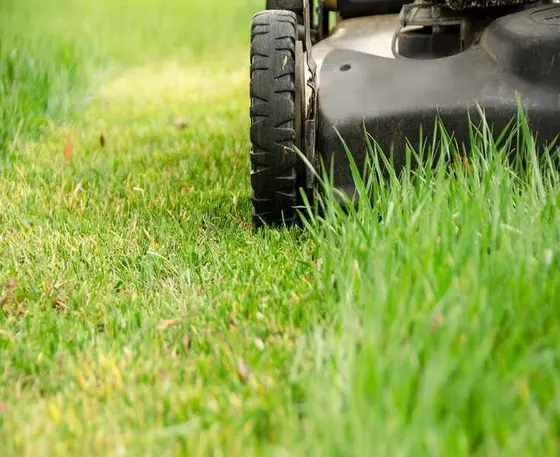
Proper lawn care can deter mushrooms from taking hold. This includes watering when needed, applying fertilizer, and avoiding foot traffic during wet weather. Jason recommends frequently using a quality lawn mower to keep your grass trimmed.
'Different climates pose varying challenges for mushroom prevention,' he notes. 'Hot, humid areas are more prone to mushroom growth compared to cooler, drier regions, as mushrooms require moisture to flourish.'
To improve drainage, consider aerating your lawn. This practice enhances overall lawn health. After aeration, John Negus suggests applying a layer of lawn sand or topsoil.
3. Consider Commercial Products
While caution is advisable with chemical products, Jason notes that some can aid in mushroom removal.
Using fertilizers high in nitrogen can help decompose the organic matter that mushrooms consume, while promoting grass growth. However, he cautions against excessive use of fungicides, as they can harm soil health. Always read labels and follow application instructions carefully.

Mushrooms thrive in moist conditions
Frequently Asked Questions
Should I Remove Mushrooms?
While it's not strictly necessary to remove mushrooms from your lawn, it's generally advisable, according to Jason Vergara.
The spores they emit can promote further growth. While most mushrooms are harmless, some, like fairy-ring and honey fungi, can cause damage, as noted by John Negus.
'Additionally, some mushrooms can be toxic to humans or pets,' Jason warns. 'For these reasons, it's best to remove them promptly.'
Can I Remove Mushrooms Manually?
If you've implemented preventive measures but still find mushrooms, you can pull them out by hand. Kyle Tingley, a lawn care expert, recommends removing them at the base and disposing of them in your yard waste bin to minimize spore spread. 'Handle with care and wear gloves, as some mushrooms can be highly toxic.'
What About Rings of Mushrooms and Dead Grass?
These patterns are often caused by Marasmius oreades, known as fairy-ring fungus. Quickly remove any visible mushrooms. John Negus advises digging out the affected dead grass to a depth of 3ft and extending 1ft 6in beyond the ring's edge. Replace the excavated soil with fresh material.
'The challenge is that roots may extend beyond the dead area, making this process labor-intensive and costly,' he explains. A simpler approach involves aerating the dead area with a garden fork to a depth of 10in, followed by watering with diluted detergent to eliminate waterproof resins from soil particles.
Lastly, John suggests scarifying the area and over-seeding to restore the lawn.