In a world that often glorifies perfection, it can be tough to appreciate the beauty found in life's imperfections. Many of us have taken photos that, despite their flaws, hold special memories. We’re shifting away from the allure of the pristine to embrace authenticity and the beauty that lies in the worn and weathered.
This is where wabi sabi, a Japanese philosophy, comes into play. It serves as a refreshing counter to the pursuit of perfection. Julie Pointer Adams, a photographer and author, dedicated a book to this philosophy titled Wabi-Sabi Welcome: Learning to Embrace the Imperfect and Entertain with Thoughtfulness and Ease. According to Adams, wabi sabi is about recognizing and appreciating the beauty in the mundane details of everyday life—elements that often go unnoticed.

Why Wabi Sabi Transforms Your Perspective
She explains, “To live with mindful awareness is a goal of mine. I wanted to help others see how this philosophy can fit into various aspects of life through everyday rituals.” Embracing wabi sabi is an ongoing journey. Adams humorously reflects on how becoming a parent has reshaped her understanding of embracing the imperfect: “Having a child has brought a new perspective on being fully present, even when things don’t go as planned.”
Adams continues, “Recognizing that everything is transient and imperfect—despite what social media might portray—helps me appreciate each moment, even the challenging ones. Every experience is a gift, inviting us to live fully in the now while understanding that nothing is permanent.”
We wholeheartedly resonate with this philosophy. Keep reading to discover the essence of wabi sabi and practical ways to weave it into your home and life.

Understanding Wabi Sabi
Wabi sabi is a complex concept that can be challenging to define succinctly. At its core, it encourages us to appreciate beauty in things that are transient, flawed, or incomplete.
Wabi signifies a simple, nature-aligned lifestyle, emphasizing essentialism to fully appreciate each moment. Sabi embodies the beauty found in the passage of time and the marks it leaves behind.
Together, wabi and sabi describe a lifestyle that honors imperfection and simplicity, cherishing what is humble and understated. This approach cultivates an appreciation for the beautifully flawed aspects of life, which we can integrate into our homes and surroundings.

Tracing the Roots of Wabi Sabi
The wabi sabi philosophy traces back to the 14th century, developing from various artistic and Buddhist traditions into a uniquely Japanese concept. Initially, it was closely linked to the tea ceremony, which emphasizes simplicity, humility, and rustic beauty. Over time, wabi sabi has evolved into a distinctive aesthetic, celebrating the charm found in imperfection.
This philosophy contrasts sharply with the Western emphasis on newness, luxury, and modernity. It encourages us to find value in the aged, the simple, and the unpretentious, prompting a reevaluation of what truly matters in our lives.

Wabi Sabi’s Popularity in the West
Interestingly, wabi sabi has gained traction in the West, even as it counters mainstream trends. People are drawn to its rejection of consumerism, favoring a more thoughtful, mindful approach to what we surround ourselves with.
In a culture fixated on perfection, many seek a perspective that liberates them from these ideals, finding solace in the wabi sabi mindset.

Visualizing a Wabi Sabi Home
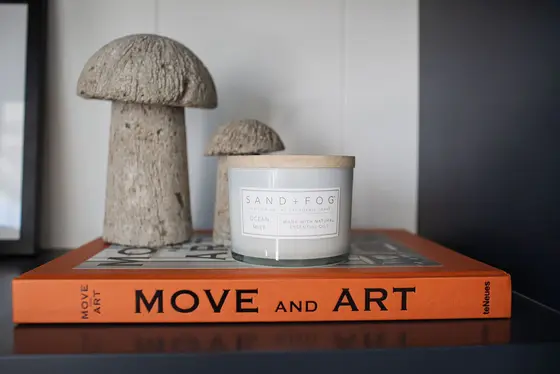
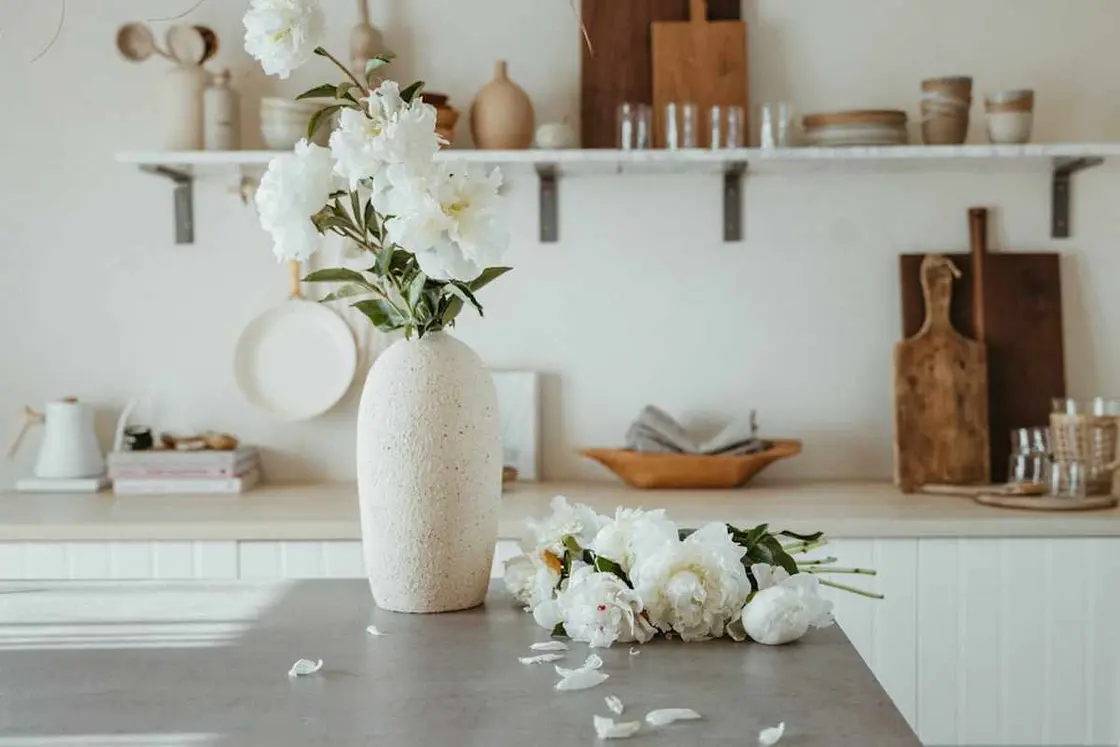
Applying wabi sabi in home design means stripping away excess to create spaces that embody natural elegance and celebrate imperfection. This approach fosters calm, inviting environments filled with earthy tones and natural materials—like wood, stone, and clay—that reflect the beauty of nature itself.

Incorporating Wabi Sabi into Your Space
Start by evaluating your belongings to identify items that no longer serve you. Often, clutter can hinder a sense of tranquility in your home.
Embracing wabi sabi is less about acquiring new items and more about simplifying and thoughtfully considering each addition.
When you do decide to buy something new, choose timeless pieces crafted from natural materials that will age beautifully and can be repaired or reused.

Kintsugi: The Art of Beautiful Repairs
Kintsugi is the Japanese tradition of mending pottery with gold-infused adhesives, highlighting cracks rather than concealing them. This practice symbolizes that the broken parts of our lives can be transformed into sources of beauty, echoing the wabi sabi philosophy of embracing imperfection.

5 Practical Ways to Embrace Wabi Sabi at Home
1. Appreciate What You Have
Wabi sabi invites you to find beauty in the simple and imperfect. If you find yourself dissatisfied with your space, remember that contentment lies in valuing what you already possess.
2. Cherish Meaningful Items
Focus on collecting items that hold significance for you while ensuring your space remains uncluttered and comforting.
3. Beauty in Functionality
Incorporate beauty into practical items like dishware and cleaning tools. Choose pieces that are aesthetically pleasing, as not everything needs to serve a practical purpose.
4. Personal Touches
Infuse your home with personal items that resonate with you—family photos, travel souvenirs, or children’s artwork add character and warmth.
5. Bring Nature Indoors
Invite the essence of nature into your home through earthy color schemes, fresh flowers, or potted plants, creating a serene atmosphere.
30 Simple Delights to Add to Your June Calendar