

Properly cleansing your face is crucial, regardless of your skin type. Facial cleansers eliminate dirt, oil, and makeup, enhancing your skin's overall appearance. However, not all cleansers are effective for everyone. This article covers essential do's and don'ts for face cleansing, along with recommendations for products suitable for various skin types. Whether you're new to skincare or experienced, these insights will help you achieve brighter, smoother skin!
Do Choose a Gentle Cleanser

Opt for a gentle cleanser to maintain your skin's health. Since facial skin is more sensitive than other body areas, a mild cleanser is essential. Harsh products can strip natural oils, leading to dryness and irritation. Many gentle options are available, so you're likely to find one that suits your needs.
If you have sensitive skin, seek a cleanser designed specifically for that type. For those with oily skin, a gel-based cleanser can help manage excess oil. Whatever your choice, consistency is key; use your gentle cleanser daily to keep your skin looking its best.
Don't Scrub Hard with a Washcloth
 Using the right techniques when cleansing is crucial to prevent skin damage. A common error is scrubbing your face aggressively with a washcloth, which can lead to redness, irritation, and breakouts. Instead, wet your face, apply your cleanser, and gently massage it in circular motions with your fingertips, avoiding contact with your eyes. Rinse and pat dry afterward.
Now, focus on selecting the right cleanser for your skin type. Oily skin benefits from cleansers with salicylic acid or benzoyl peroxide, while dry skin requires gentle, hydrating formulas. Consider incorporating a serum or cream to seal in moisture.
Do Apply Toner After Cleansing
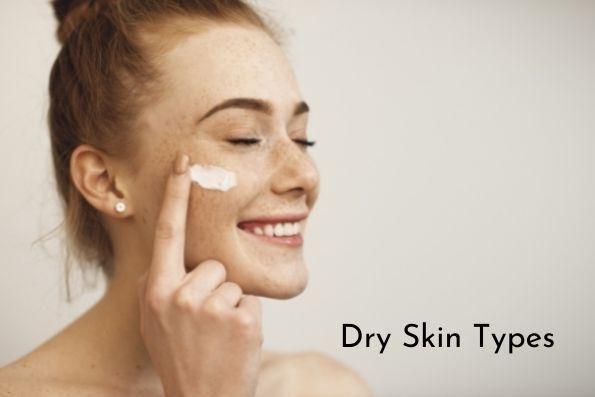
Facial cleansing is a vital component of any skincare routine. It's important to cleanse both morning and night with products tailored to your skin type. Toner can be a helpful addition, as it removes residual dirt, oil, or makeup that your cleanser might miss. Additionally, it helps restore your skin's pH balance, which can be disrupted by cleansers. Toners can also minimize the appearance of pores and promote an even texture.
To use toner, apply it to a cotton pad and sweep it across your face after cleansing, avoiding the eye area. Choose a toner suited to your skin type; those with dry or sensitive skin should steer clear of alcohol-based toners, opting instead for hydrating options with ingredients like glycerin or aloe vera. Oily skin types may benefit from toners with witch hazel for oil control.
Don't Use Alcohol-Based Toners
Avoid alcohol-based toners, as they can be excessively drying. While they may help remove oil and impurities, they strip your skin of natural moisture, leading to irritation and potential breakouts. Over time, these toners can damage your skin's surface, accelerating aging signs. Stay away from any products with high alcohol content, including astringents.
Do Moisturize Morning and Night
Moisturizing is key to maintaining healthy skin. Many people mistakenly believe they only need to moisturize at night, but it's essential to do so both morning and evening. Moisturizer protects your skin from UV damage and keeps it hydrated, contributing to a youthful appearance.
Neglecting to moisturize can result in dry, cracked skin, and worsen the visibility of fine lines and wrinkles. Choose a moisturizer that matches your skin type; oily skin types should look for lightweight, oil-free options, while those with dry skin may prefer richer creams that lock in moisture.
Don't Skip Sunscreen Daily
As temperatures rise, protecting your skin from harmful UV rays becomes increasingly important. Sunscreen prevents sunburns, wrinkles, and skin cancer, making daily application essential—even on cloudy days. Select a sunscreen with an SPF of 30 or higher, and ensure it is water-resistant and labeled as 'broad spectrum' for comprehensive protection.
Apply generously to all exposed areas, including your face, neck, ears, and hands, reapplying every two hours or after swimming or sweating. When outdoors, wearing a wide-brimmed hat and UV-blocking sunglasses provides extra protection. Ultimately, minimizing sun exposure is the best way to protect your skin.