

Cashmere wool is an exquisite luxury that enhances both your wardrobe and home. If you're fortunate enough to have this beautiful fabric, you might be curious about how to wash cashmere at home to keep it fresh while preserving its softness.
Since cashmere is the go-to fabric for luxurious throw blankets and cozy clothing, mastering its care is crucial. Similar to the method for washing woolen blankets, cleaning cashmere requires a gentle touch and a bit of patience to maintain its fluffiness and unique softness.
Experts from a renowned cashmere specialist House of Bruar share their advice on washing cashmere at home without compromising its delicate fibers.
How to Properly Wash Cashmere at Home
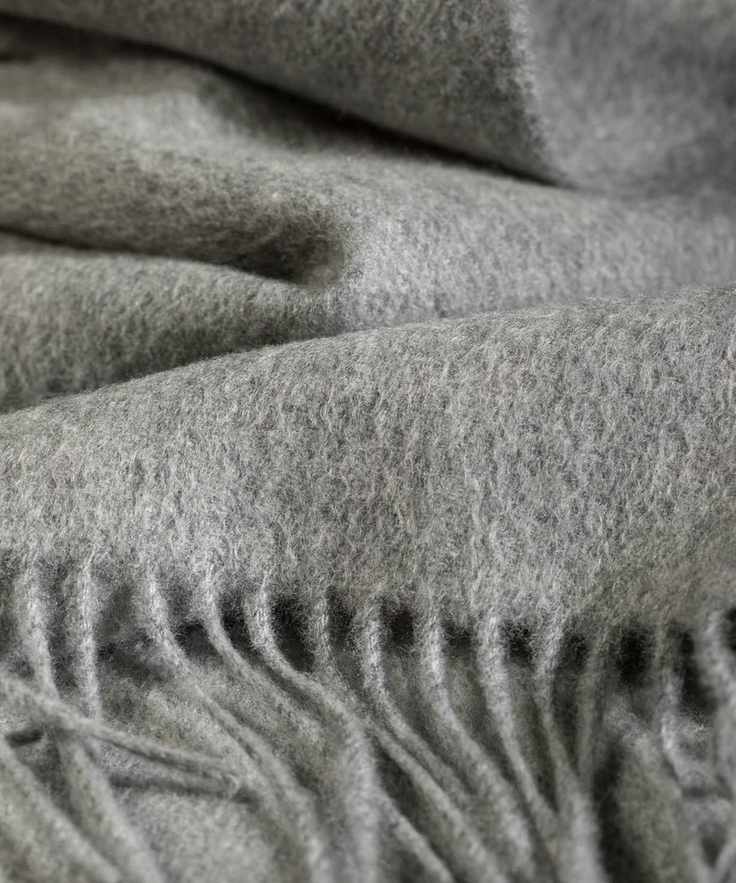
Investing in cashmere also means committing to its care. Unlike washing fleece, cashmere cannot simply be tossed into the washing machine without care. You'll likely find that your cashmere pieces lack any convenient laundry symbols.
'Given its delicate nature, the safest method for cleaning cashmere is by hand,' says Lorna Meikle, a ladieswear buyer. 'Even the hand-wash setting on a washing machine can be too harsh for the fine fibers.'
'Spot cleaning can extend the life of frequently worn garments, but if you intend to store your cashmere for a longer duration, a thorough wash is advisable. Even if it appears clean, trapped particles like dust, skin, or hair can attract moths. The last thing you want is for your favorite cardigan to be riddled with holes!'
'To start, select a clean bowl or sink that is free from food particles, dirt, or cleaning chemicals, as these residues could harm your cashmere,' Lorna advises. 'It's best to have a designated bowl for hand-washing cashmere to avoid cross-contamination. Place your garment in lukewarm water with a small amount of gentle detergent. For optimal results, consider using a specially formulated cashmere shampoo [like this top-rated product on Amazon]. After adding the detergent, ensure it is completely dissolved before introducing your clothing. Gently move the garment around and let it soak for up to 30 minutes, though five minutes is often sufficient.
'After soaking, turn your garment inside out and gently press to remove excess water. Avoid wringing it out,' Lorna cautions, 'as this can stretch the delicate fibers and cause damage or misshaping. Each item should be washed separately to prevent color bleeding and allow you to give the cashmere the care it requires.'
'Rinse the garment thoroughly in a clean bowl of water at the same temperature used for washing. Again, make sure the bowl is spotless and free from any residue that could transfer to the cashmere.'

Like many soft fabrics, cashmere can occasionally pill or develop 'bobbling' with use. Fortunately, this is not a cause for concern, as Lorna explains further.
'If you see small fiber balls on your garment, don't worry. Wools can shed tiny fibers during initial wear, and softer fabrics like cashmere are particularly susceptible. This bobbling can also occur from friction with coarser materials, such as wool or synthetic fibers. It does not indicate low quality,' Lorna adds, 'but rather loose fibers finding their way out of the garment. They will naturally diminish during washing. Regular cleaning will help minimize these bobbles.'
'If any remain after washing, you may use a cashmere comb to remove them. These combs are designed to eliminate pills while preserving the fabric. To use one, lay your clothing flat and gently glide the comb over the bobbles, repeating the motion in the same direction until the pills are collected by the comb.'
How to Safely Dry Cashmere at Home

While you might wonder about using the delicate setting on a tumble dryer for cashmere, doing so would be a grave mistake, Lorna warns. 'Never tumble dry your cashmere; it will shrink and become damaged.'
Drying cashmere is more intricate than drying other fabrics due to the care needed. 'After rinsing and squeezing out excess water, reshape your garment to its original size and lay it flat on a towel to dry. Avoid using radiators, direct heat, or sunlight. Ideally, do not hang it to dry, as this can stretch and harm the fibers.'
'To remove any creases from your cashmere, press the garment using a damp cloth and keep your iron at the lowest setting,' Lorna suggests.
How to Store Cashmere to Prevent Damage

During warmer months, you might want to store your cashmere until it's time to bring warmth to your space in the fall or winter. However, storing this luxurious fabric is not as simple as tossing it in your linen closet.
'Before storing for any extended period, make sure your cashmere is thoroughly cleaned to prevent moths and other pests,' Lorna advises. 'De-pilling and de-wrinkling before storage will also enhance the longevity and quality of your cashmere.'
'Garments should be stored inside out in a dust-free, well-ventilated space, away from direct sunlight and moisture. Using a dedicated storage bag is highly recommended to keep your cashmere looking its best.'
Should I Hand Wash or Dry Clean Cashmere?
Hand washing is always preferred for cashmere to maintain its softness and prevent damage or stretching. It allows for greater control over the luxurious material, making it easy to spot-clean your clothes and blankets.
What Detergent Is Best for Cashmere?
When washing cashmere at home, it's essential to avoid regular laundry detergent, as it can harm the fibers. Instead, opt for a delicate wool wash or even baby shampoo to gently clean cashmere by hand while preserving its signature softness.