Retinol is a well-known hero in the anti-aging world. It's famed for rejuvenating skin and restoring that youthful glow. However, if you have sensitive skin, retinol can sometimes feel more like an adversary. While it effectively refreshes your complexion, it can also lead to irritation.
If your experience with retinol has been more troublesome than beneficial, there's no need to panic. You can still salvage your relationship with this powerful ingredient. Here's a rundown of why retinol may irritate your skin, how to mitigate the irritation, and what to consider if the irritation persists.
Why Might Retinol Irritate Your Skin?
Although not everyone experiences irritation from retinol, it can occur due to its skin-rejuvenating properties. Retinol promotes quicker cell turnover, shedding dead skin cells and revealing newer layers underneath. However, this fresh skin can be overly sensitive, leading to dryness and irritation if exposed too soon.
Often, the irritation is simply a sign that your skin is adjusting to retinol. Instead of pushing through the discomfort, it's wiser to ease into your retinol usage, allowing your skin to acclimate gradually.
Tips to Minimize Retinol Irritation
If your skin is signaling that your retinol routine needs a break, there are several straightforward strategies to help ease the transition.
Opt for a Lower Strength
Most retinol products clearly indicate their concentration levels—0.1%, 0.25%, or 0.5%. Consider switching to a product with a lower concentration to lessen irritation.
Dilute Your Retinol
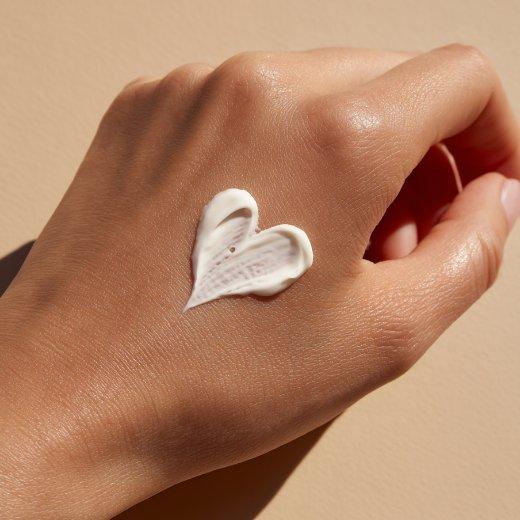
If you've just opened a new retinol product and don't want to buy a new one, try mixing it with your moisturizer. For instance, instead of applying a full pump of retinol serum, combine half a pump with your moisturizer. This method reduces the strength of retinol and helps lessen dryness.
You can also try the sandwich method: apply a layer of moisturizer first, then the retinol, followed by another layer of moisturizer. This technique can help cushion your skin from the retinol's effects.
Adjust Your Retinol Routine
Using retinol every day isn't essential; in fact, it may lead to irritation. Consider reducing usage to a few times a week or even once weekly. Also, avoid using retinol on days you exfoliate, allowing for a break in between.
Assess Your Skin Condition
Sometimes, skin irritation means it's best to skip retinol altogether on certain days. If your skin feels sensitive due to dehydration, another product, or recent treatments, take a break from retinol until it settles down.
Prioritize Sunscreen Use
What may seem like retinol irritation could actually be sun sensitivity. Retinol exposes fresh skin that's more vulnerable to UV rays. Make sure to apply broad-spectrum sunscreen daily to protect against sunburn and irritation.
Consult Your Dermatologist
If these adjustments don't help, retinol may not be the right fit for your skin. Discuss your concerns with a dermatologist, who can recommend alternatives that suit your skin type and anti-aging goals.
Effective Anti-Aging Alternatives
If retinol isn't working for you, there are numerous anti-aging products that can enhance your complexion without it. Consider these effective ingredients:
- Vitamin C – This antioxidant combats and repairs skin damage, brightening your complexion and promoting collagen production.
- Peptides – Chains of amino acids that support collagen and elastin, helping firm the skin and minimize wrinkles.
- Bakuchiol – A natural alternative to retinol, derived from the seeds of the babchi plant, aiding in cell turnover and collagen stimulation.
- Alpha Hydroxy Acids (AHAs) – Gentle chemical exfoliants that remove dead skin cells, reducing fine lines and dark spots.
- Niacinamide (Vitamin B3) – An antioxidant that helps diminish dark spots, fortifies the skin barrier, and reduces inflammation.
If you've struggled with retinol, there's still hope! Whether through alternative anti-aging ingredients or adjusting your retinol approach, it's all about discovering what works best for your skin to help you feel your most radiant.