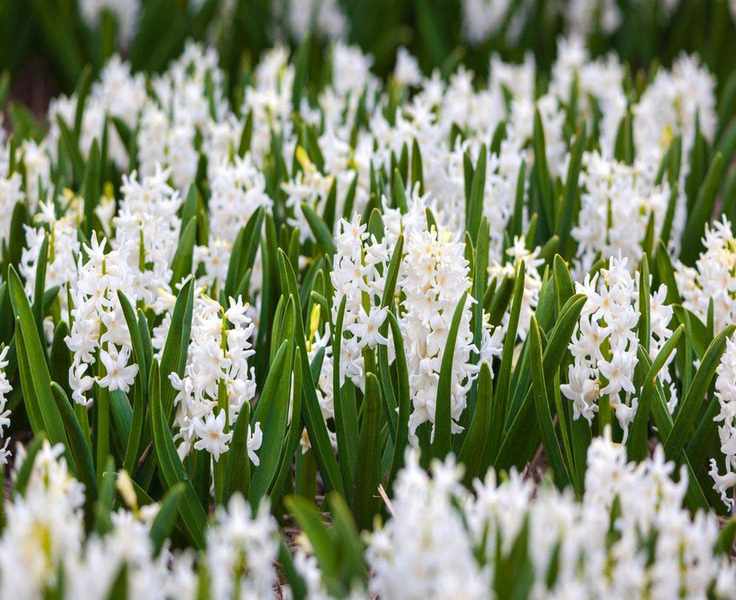
Learn the secrets to planting hyacinth bulbs like a pro and prepare for a spring garden bursting with color and fragrance.
Hyacinths are among the most beloved spring bulbs, perfect for enhancing beds, borders, and containers. With their clusters of star-shaped flowers sprouting from a single sturdy bulb, these delightful blooms and their sweet aroma never fail to captivate. Additionally, they provide an early nectar source for bees emerging from hibernation, making them beneficial for local wildlife.
Over the years, breeders have cultivated approximately 50 named varieties, showcasing a stunning array of colors. From deep blue and black to soft blush and coral, there's a hue to suit every garden style. Each color is believed to have its unique fragrance, with Delft Blue noted for its particularly potent scent.
Curious about how to plant these beautiful bulbs to enhance your garden and home? We've got all the essential information you need to get started.
Planting Hyacinth Bulbs
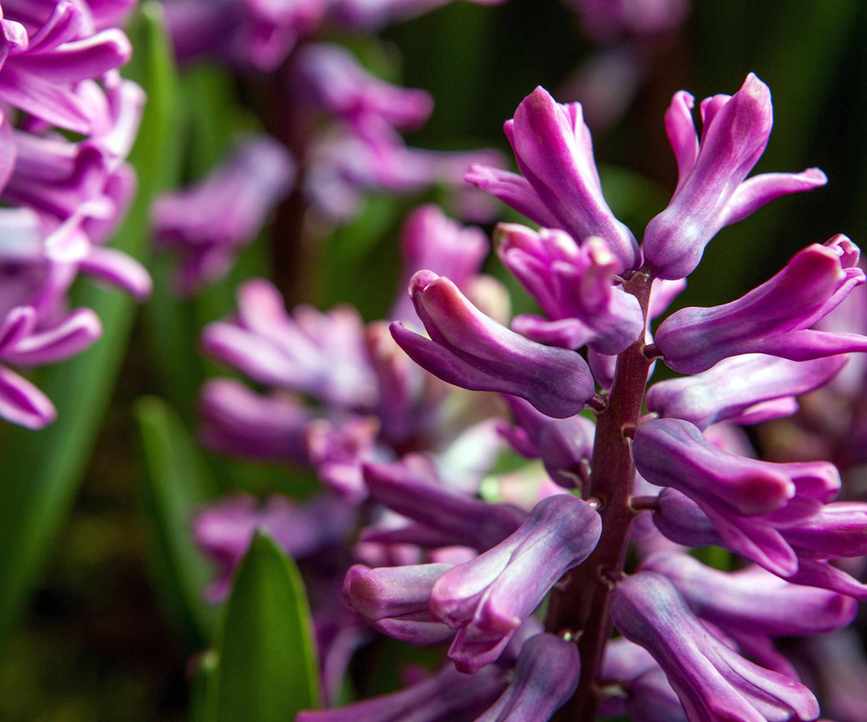
“Similar to tulips, hyacinths display their best blooms in the first spring after planting,” explains Diane Blazek, a representative from the National Garden Bureau. “This is why many gardeners choose to plant fresh bulbs every one to two years. While they may rebloom for several years, they will eventually revert to their original species, producing single flowers that are spaced farther apart on the stem.”
Planting Hyacinths in Beds and Borders
Choose Quality Bulbs: When is the ideal time to plant hyacinth bulbs? If you're accustomed to fall planting, you'll find hyacinth bulbs readily available for purchase online and in stores during early fall. They can be bought loose or in pre-packaged sets, sometimes in specially curated mixes, offering a wealth of old and new varieties.
For spring and summer flowering bulbs, the rule of thumb is that larger, plumper bulbs yield bigger blooms. Always purchase from a reputable supplier or check outAmazon's extensive selection of hyacinth bulbs, which can also be filtered by USDA hardiness zone.
Find the Perfect Location: Hyacinths thrive in at least four hours of sunlight daily and prefer loose, loamy soil.
Prepare the Planting Hole: “To plant clumps of hyacinth bulbs in beds and borders, dig a hole that accommodates all the bulbs together,” advises Venelin Dimitrov, a Product Manager at Burpee. “Position them upright at the base of the hole, with the pointed ends facing up, ensuring they are spaced at least 3 inches apart and buried about 4 inches deep.”
“Gently press the bulbs into the soil and cover them with the prepared soil to the recommended depth. Alternatively, you can use a trowel to create individual planting holes.”
“In addition to being fragrant and easy to cultivate indoors, hyacinths are perennial spring bloomers, bringing joy to your garden year after year,” says Amanda Shephard from American Meadows. “They are also unappealing to deer and rabbits, making them less likely to be disturbed.”
Planting Hyacinths in Pots and Planters
For healthy pot-grown hyacinths, ensure good drainage and regular watering. Like most bulbs, they dislike being waterlogged and will quickly decay in wet soil. Make sure containers have ample drainage holes, line the bottom with crocks, and mix a handful of grit into the compost.
Plant the bulbs at a depth of 4 to 5 inches (10 to 13 cm), placing them close together but not touching, and ideally in odd numbers for a stunning display.
Growing Hyacinths in Glass Vases
Hyacinths are not only easy to grow but also highly fragrant. They became a favorite of Madame de Pompadour, the mistress of King Louis XV of France, who adored the Dutch Hyacinth for its captivating scent.
“She filled the expansive gardens of Versailles with them in the spring, and throughout the year, they adorned every room in the palace usingglass hyacinth vases,” Amanda Shepherd notes.
These vases, which have a tapered waist, remain popular today and offer a wonderful view as the bulbs sprout roots and shoots. Fill the bottom of the vase with water, then place the bulb in the top section, ensuring the base stays dry.
Keep the water replenished and keep the bulb in a dark area until the shoot reaches about 4 to 5 cm tall, then transfer it to a sunny indoor location to encourage blooming.
What to Do with Hyacinth Bulbs After Blooming
After your hyacinths have finished flowering, snip off the dead blooms and allow the leaves to wither and die, avoiding watering the soil. Carefully remove the bulbs, drying any that look healthy (discard any that are damaged or diseased). Store the dried bulbs in paper bags in a cool, dark place, and replant them next fall.