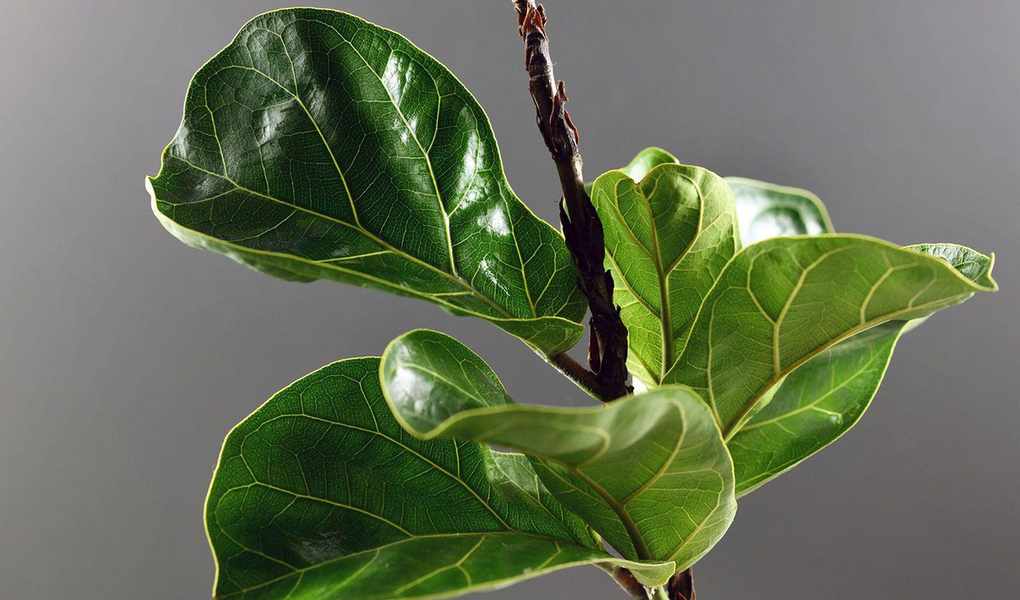
Pruning your fiddle leaf fig is vital for promoting an appealing shape, correcting imbalance, or addressing any damaged leaves. If you own one of the larger varieties resembling mini trees and it's starting to lean precariously, it's definitely time to grab those pruning shears.
While trimming those lush leaves might feel daunting, keep in mind that pruning plays a crucial role in caring for fiddle leaf figs. It's recommended to trim your plant approximately once a year to help it regenerate and foster new growth.
The good news? When you prune a healthy fiddle leaf fig, it tends to split its branches at the cut site, resulting in two branches where there was once one. This process will lead to a fuller and more attractive plant.

With proper pruning, your fiddle leaf fig will reward you with vibrant new leaves.
5 Common Reasons to Prune Your Fiddle Leaf Fig
Fiddle leaf figs are easy indoor plants that often thrive with minimal intervention. However, there are various reasons to consider pruning your fiddle leaf fig, generally motivated by concerns over its appearance or health. Here's a roundup of the most frequent reasons you might find yourself reaching for the pruning shears.
1. Your Plant Has Grown Too Tall
Fiddle leaf figs can soar to ceiling height, which means they might eventually outgrow their space. Ideally, the upper leaves should remain at least 10 inches below the ceiling, so you'll want to manage any growth that exceeds this height.
The taller the plant gets, the more unstable it can become, potentially leaning at an awkward angle. By pruning to limit its height, you'll encourage a sturdier, more compact plant.
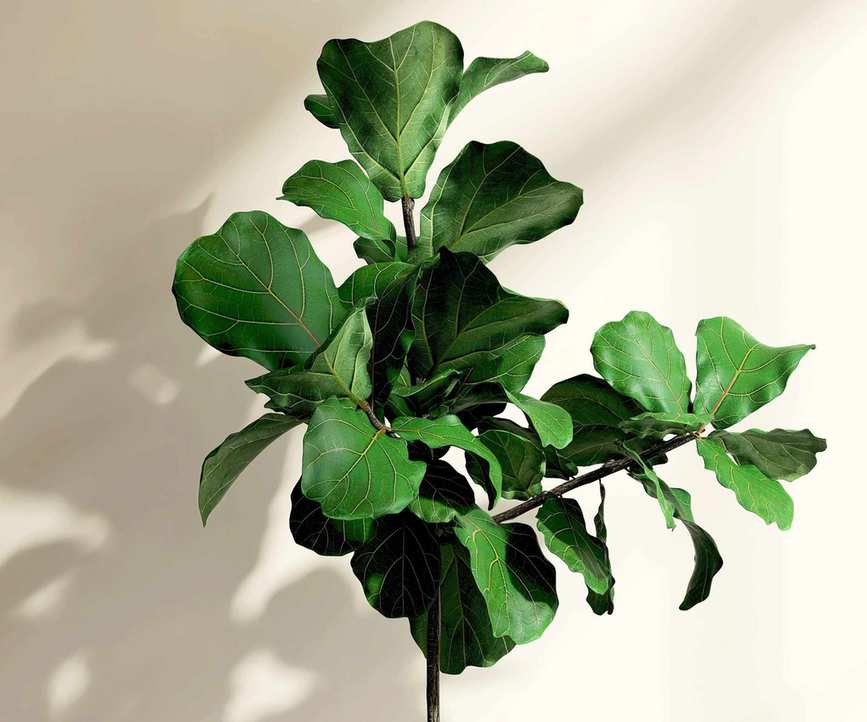
This tall specimen is getting dangerously close to the ceiling.
2. The Shape of Your Plant Is Unbalanced
An unappealing shape could arise from uneven growth due to the plant's positioning and light exposure. If it's positioned sideways to a window, for instance, it may grow lopsided. If moving the plant isn't an option, try rotating it regularly to encourage more balanced growth. A symmetrical shape is always preferable for a fiddle leaf fig.
In the meantime, it's perfectly fine to tidy up the shape of a crooked fiddle leaf fig with shears to help it appear more balanced. Consider using pruning scissors from Amazon for the job.
As suggested by Lina Cowley of Trimmed Roots, using a wooden stake can also help guide the stems into your desired shape. Simply tie the stems to the stake with plant ties or zip ties and allow them time to grow into the intended form.
If you're aiming for a tree-like appearance, consider removing lower leaves and branches to promote a long-stemmed look.

Closing the gap between the lush top growth and sparse lower leaves is essential.
3. You Want to Encourage a Bushier Growth Habit
To promote a bushier appearance, trim the top of the main stem to stimulate branching. This encourages a fuller, bushier plant. Additionally, any branches that have grown excessively long should be cut back.
If you desire a bushier plant, keep an eye on new growth. Horticulturist Joseph Clement, CEO of Nccuttingtools, recommends pinching back new growth. This action encourages the plant to branch out and produce new leaves from the sides, redirecting energy to foster side growth.
Besides pruning and pinching, don't forget the basics. Jen Stark from Happy DIY Home emphasizes that providing ample nutrients, water, and sunlight is crucial for a bushy growth habit. Without sufficient sunlight, you may end up with a leggy plant and fewer leaves. Regular repotting also supports healthy growth.
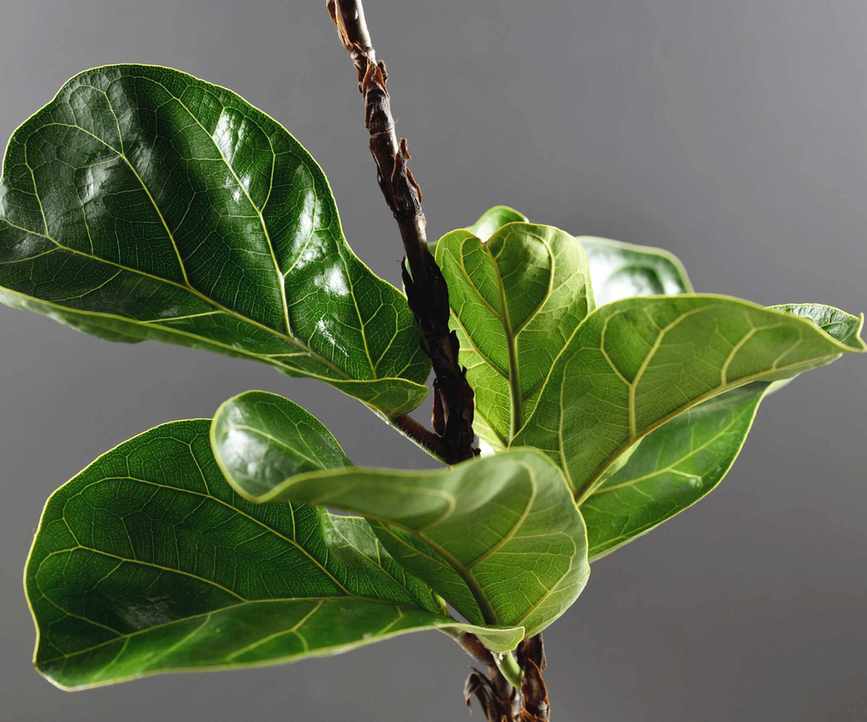
This fiddle leaf fig could use a few more leaves.
4. The Center of Your Plant Is Too Dense
If your fiddle leaf fig is overly bushy with tightly packed leaves, it can negatively affect its health. Adequate spacing between leaves is necessary for proper airflow, which is crucial for healthy growth.
When leaves are crowded, they can become marked or damaged. Therefore, thinning out the growth through pruning is essential to create a more open plant. Vladan Nikolic from Mr. Houseplant advises pruning branches that obstruct one another to enhance air circulation and promote healthy growth.
Start by pinpointing any leaves that are touching. Don't hesitate to reach into the plant's center with your shears to create some space. You may need to remove an entire stem or just a few leaves.
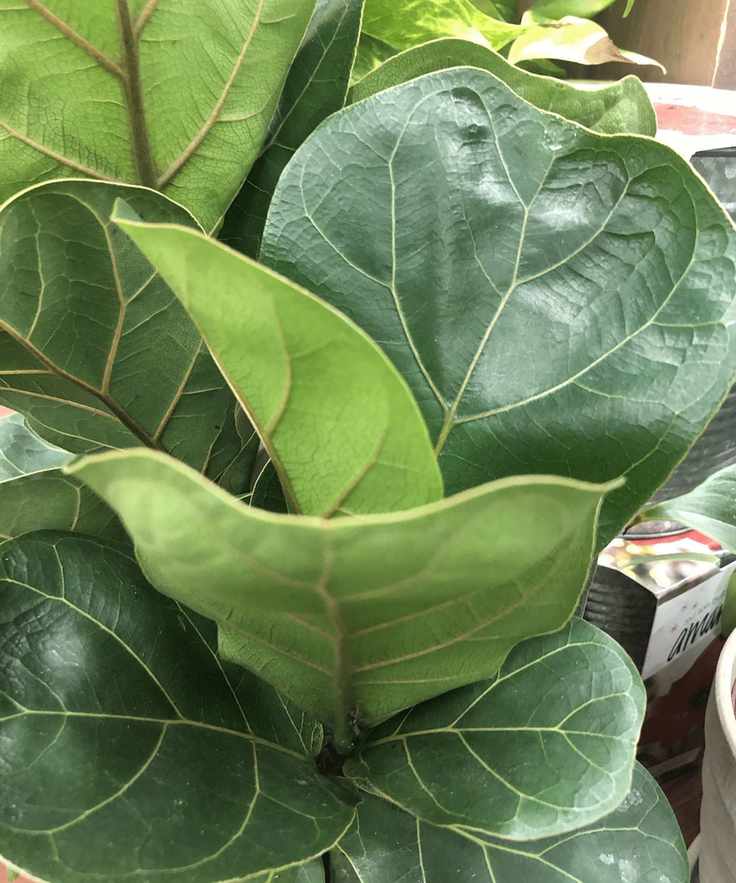
These tightly packed leaves need thinning to improve airflow.
5. Your Plant Has Yellowing Leaves or Signs of Disease
If you spot browning or yellowing leaves on your fiddle leaf fig, prune them to enhance the plant's appearance and maintain its health. Remember, the plant is still expending energy on those faded leaves.
Damaged leaves typically accumulate at the bottom of the stem, and removing them can create a neater outline, especially if you want a tree-like shape with a long bare stem. Richa Kedia from Simplify Plants notes that removing lower leaves can stimulate new growth since the plant releases hormones that encourage growth at its top.
If your fiddle leaf fig is experiencing frequent leaf drop, it's wise to investigate why this is happening.
Finally, if your fiddle leaf fig shows signs of disease, you should cut away all affected areas. Vladan Nikolic advises pruning leaves that are brown, crunchy, or dry at the petiole, close to the stem. Remember to sanitize your pruning shears to avoid spreading disease.
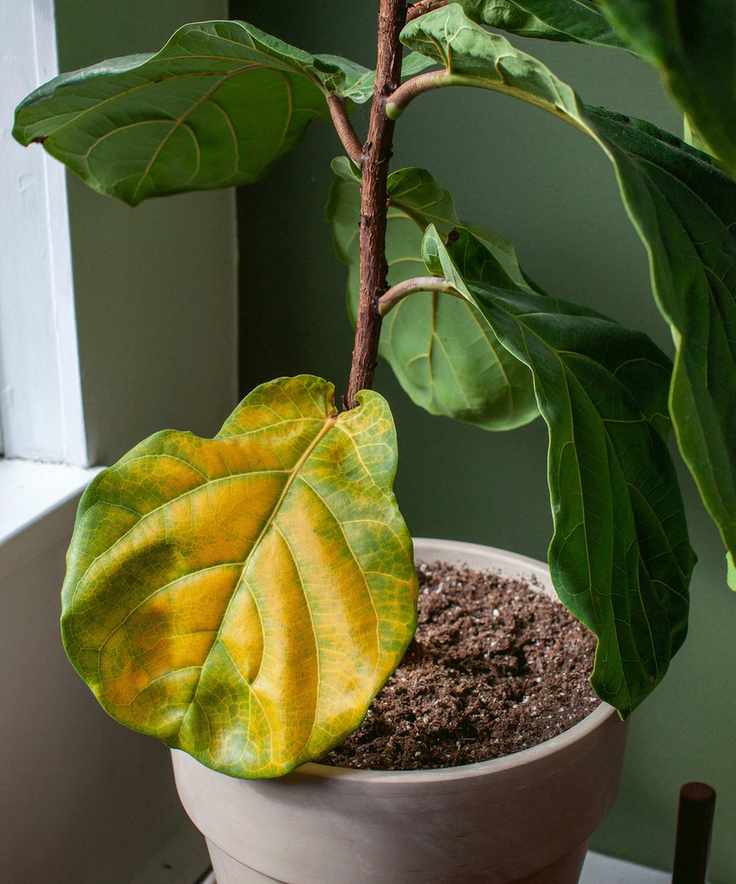
Regularly trim any discolored leaves to keep your plant in top shape.
How to Prune Your Fiddle Leaf Fig in 4 Simple Steps
Pruning and shaping your fiddle leaf fig is essential for its overall health and visual appeal.
Vladan Nikolic notes that you can get creative with your styling and prune according to your preferences. Mastering this skill takes practice, but with time, you'll be able to shape your plant just the way you want it.
- Identify the areas of your fiddle leaf fig that require pruning. Look for any dead or yellowing leaves, as well as branches that are growing too long or awkwardly, which can make your plant look uneven.
- Rotate your plant and decide where to make cuts to achieve your desired shape. While it might seem wasteful to cut healthy leaves, remember you can propagate your fiddle leaf fig from cuttings to expand your indoor garden.
- Ensure your tools are clean and sharp. Make cuts at the appropriate points to avoid damaging the plant. You'll need sterilized pruning shears or scissors and something to clean them with, such as rubbing alcohol (available from Amazon), as fiddle leaf figs produce sticky sap that can contaminate both your shears and cuttings.
- Prune any unhealthy or diseased leaves you've identified, and eliminate branches that are overcrowding others. Make each cut about half an inch from any leaves or stems. Start by cutting at a 45-degree angle just above a leaf node, which is where a leaf meets the stem. This encourages new growth from that point. Avoid over-pruning; it's best to remove just one or two leaves or one stem to minimize stress on your plant.
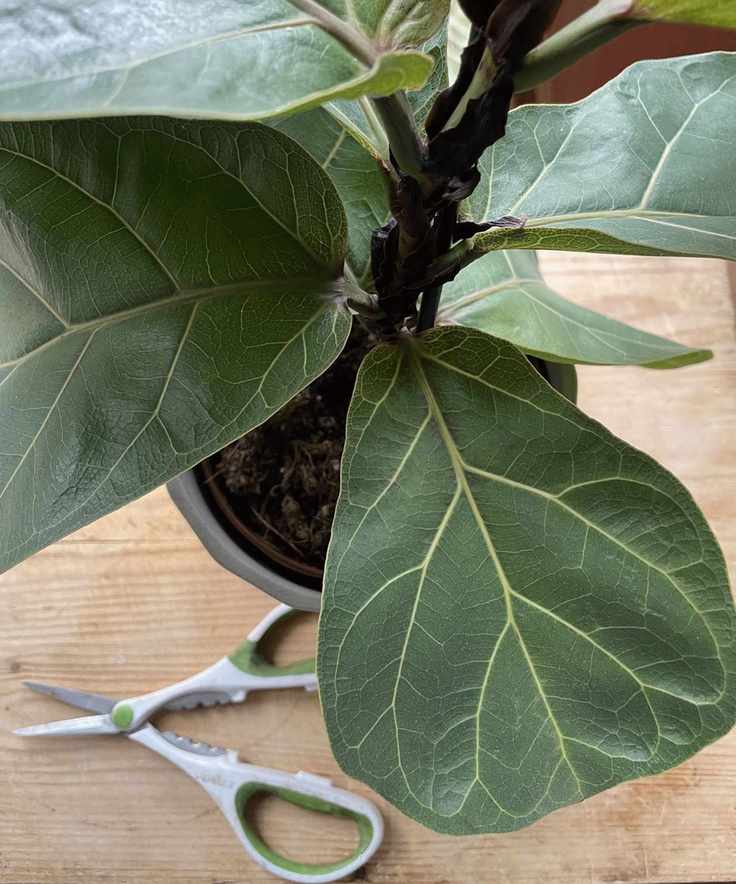
This is one of my plants after I pruned away some discolored leaves. I made sure not to damage the new leaf buds nestled into the stem. This smaller fiddle leaf fig prefers scissors for trimming.
Frequently Asked Questions
How Can I Avoid Over-Pruning My Fiddle Leaf Fig?
When it comes to pruning your fiddle leaf fig, especially if you're new to this, it's best to approach it gradually. I often feel apprehensive about trimming these beautiful plants since their large leaves make removing them seem drastic.
Start by pruning only two or three leaves or one section of stem if your plant is branching. Wait a week to observe how your plant responds before proceeding with further cuts.
Aim not to remove more than 10% of the plant at any one time. Be cautious not to unintentionally cut off any new buds or shoots, as this can hinder your fiddle leaf fig's future growth.
Keep in mind that pruning can stress a plant, so it's essential to take it easy. By following these pruning tips, your fiddle leaf fig can thrive, rewarding you with healthy, vibrant new growth.