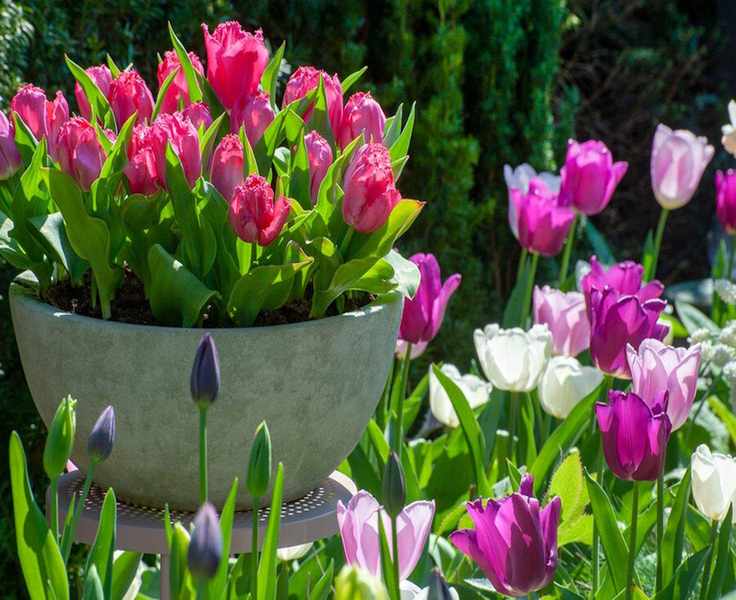
Tulips are among the most vibrant spring bulbs, showcasing a dazzling spectrum of colors. There's a perfect tulip type to match every gardener's vision.
These flowers vary greatly in size and shape, so before you start planting tulip bulbs, it's beneficial to familiarize yourself with their characteristics and determine which will thrive in specific areas of your yard. Whether you choose delicate species tulips or unique parrot tulips, they'll brighten up your spring landscape, whether in lawns, borders, pots, or window boxes.
'The variety of tulips is vast, offering different colors, heights, and textures to please any gardener,' says a garden design expert. 'For me, it's about coordinating colors—think deep purples with light pinks or whites with yellows. If you want to create a beautiful spring display, pay attention to the bloom time of your chosen tulip types.' We've curated a selection of seven outstanding tulip types and included expert advice on where to plant them and what makes them special.
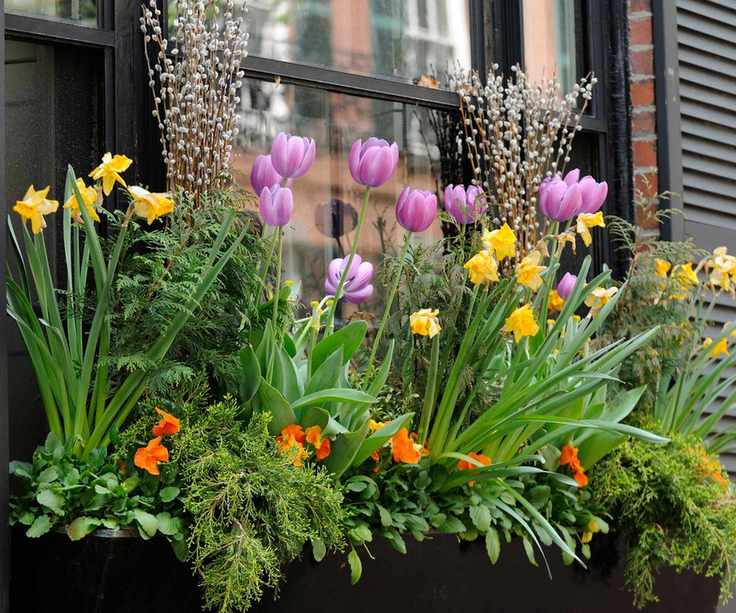
7 Great Tulip Types
With over 3,000 registered tulip varieties classified into 15 groups, we highlight seven of these unique types.
Fosteriana Tulips
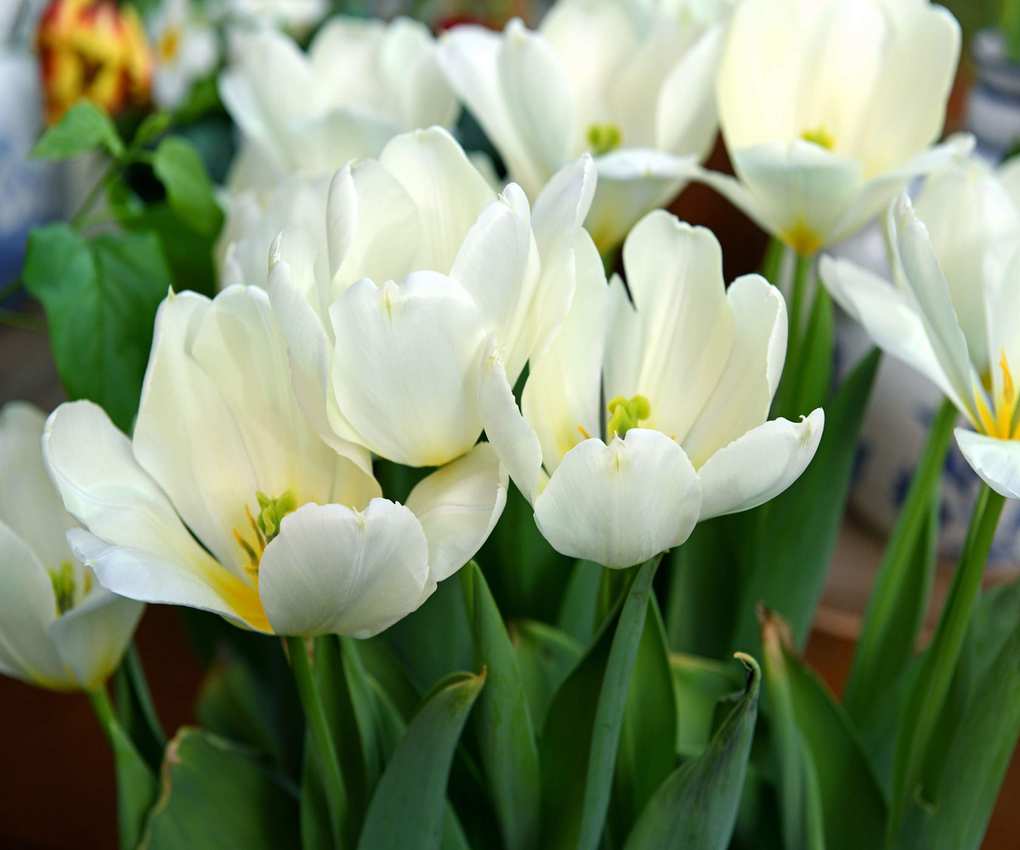
Known for their vibrant colors and reliability, Fosteriana tulips feature slender, cup-shaped blooms in various hues and sizes.
'Also referred to as Emperor tulips, these originate from Asia's mountainous regions, making them hardy and easy to naturalize, even in dry conditions,' a bulb specialist explains.
'Their adaptability allows them to thrive in containers, rock gardens, as borders, or even naturalizing in grassy areas. For maximum impact, plant bulbs in groups to create a stunning bouquet effect.' Many Fosteriana tulips are also fragrant. Try the early-blooming 'Purissima' with its creamy-white flowers or the blush pink 'Sweet Sixteen' that stands at just 12 inches (30 cm).
Species Tulips
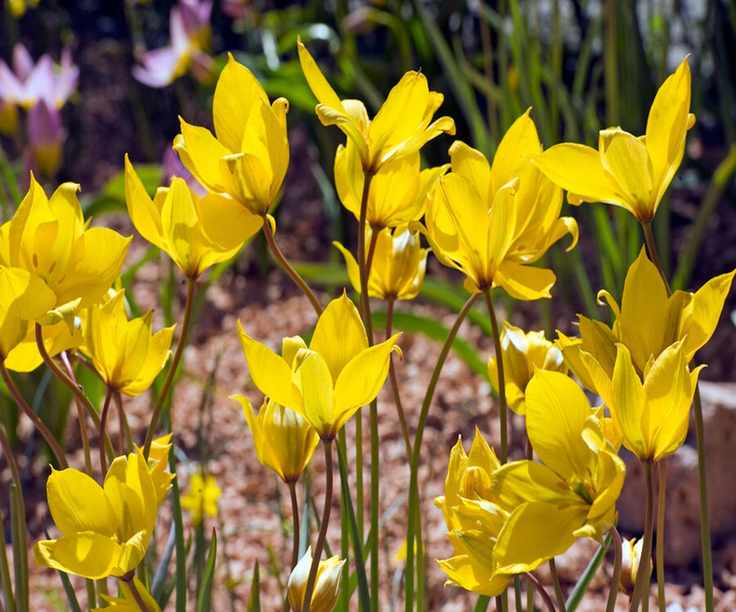
Species tulips provide a delicate burst of early spring color, ideal for naturalizing under deciduous trees, clustered in rock gardens, or in containers.
With many featuring striped foliage, they offer visual interest for weeks while their cup-shaped blooms add elegance. These shorter varieties handle exposed conditions well but dislike waterlogged soil.
'My favorites for pots include names like Lady Jane, Lilac Wonder, Tinka, and Tschimganica (pronounced chim-GAN-ih-kuh). They spring forth like a botanical fireworks display,' shares a bulb expert.
'Their blooms resemble stars more than cups, opening up under the warm spring sun. For a formal look, the sturdier cup-shaped Darwin hybrids are ideal, offering a wide range of colors to match any theme.'
Triumph Tulips
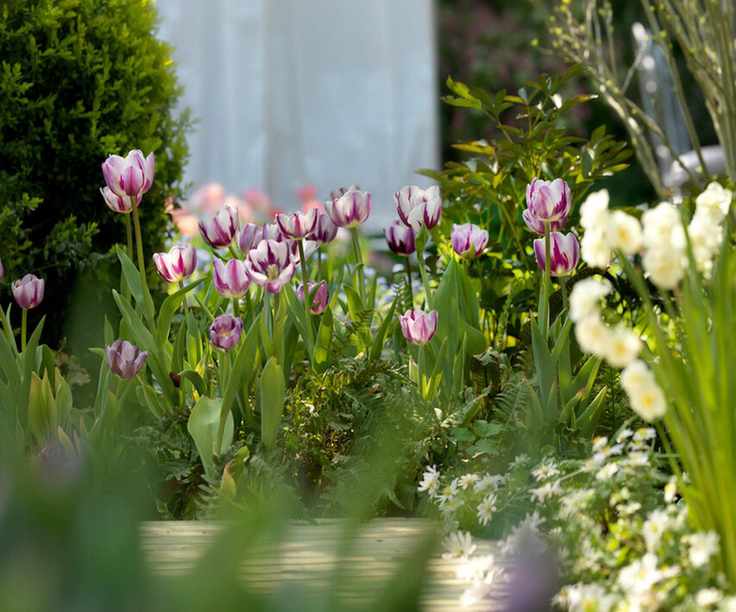
Triumph tulips are among the most beloved and recognizable, available in a variety of colors, including stunning two-toned and striped options. With sturdy stems, they withstand strong winds and heavy rains, making them perfect for borders or pathways. They're also excellent for cutting.
Growing 12-22 inches (30-55 cm) tall in full sun, they thrive in rich, well-drained soil.
'Crown of Dynasty Triumph Tulip is a recent standout, offering a unique look with its wavy petal edges,' notes a bulb expert. 'Its petals transition from light pink at the base to darker shades at the tip, becoming richer as they mature.' Another favorite is the 'Flaming Agrass Triumph Tulip', featuring bright white with yellow streaks.
Mesmerizing Rembrandt tulips, known for their striking color patterns, are part of this group. Once highly sought after during Tulipmania in the 1600s, they now include beautiful varieties like the claret and gold 'Absalon' and the sunset-inspired 'Rubens'.
Greigii Tulips
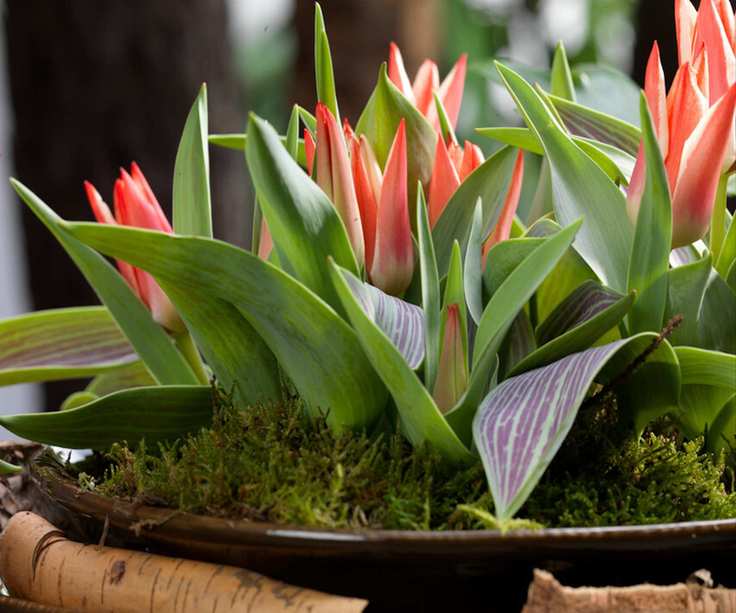
These tulips are shorter, measuring 8-12 inches (20-30 cm), and feature bold blooms, making them ideal for sunny rock gardens, alpine borders, or large containers.
With a vast array of colors, from soft 'Haute Couture' to vibrant 'Winnipeg', they catch the eye and many varieties boast striking striped foliage.
Find out when to plant tulips and explore various miniature bulbs to pair them with.
Parrot Tulips
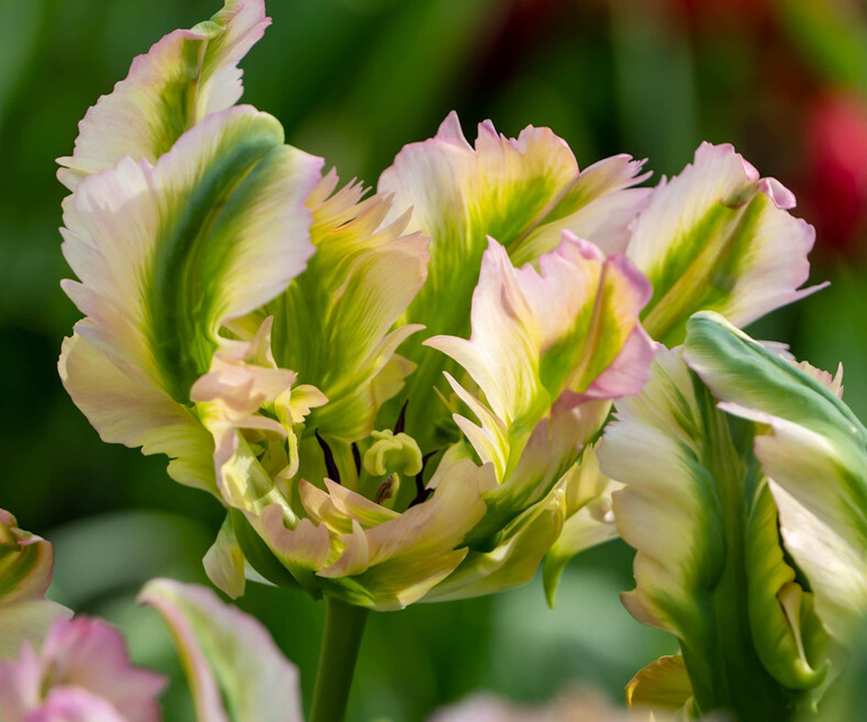
If you desire a look reminiscent of a Monet painting, parrot tulips are a stunning choice. After planting these, you'll understand why the Dutch paid enormous sums for rare varieties during Tulipmania in the 17th century.
With their ruffled blooms and beautifully marked petals, these large tulips add flair to any garden bed. They should be positioned where they can be admired, whether along a driveway or in statement planters at your entryway.
They also thrive indoors. Once cut, tulips continue to grow, so trim stems as needed. The blooms will reach for the light, creating captivating shapes.
For similar aesthetics, explore fringed tulip varieties.
Darwin Hybrid Tulips
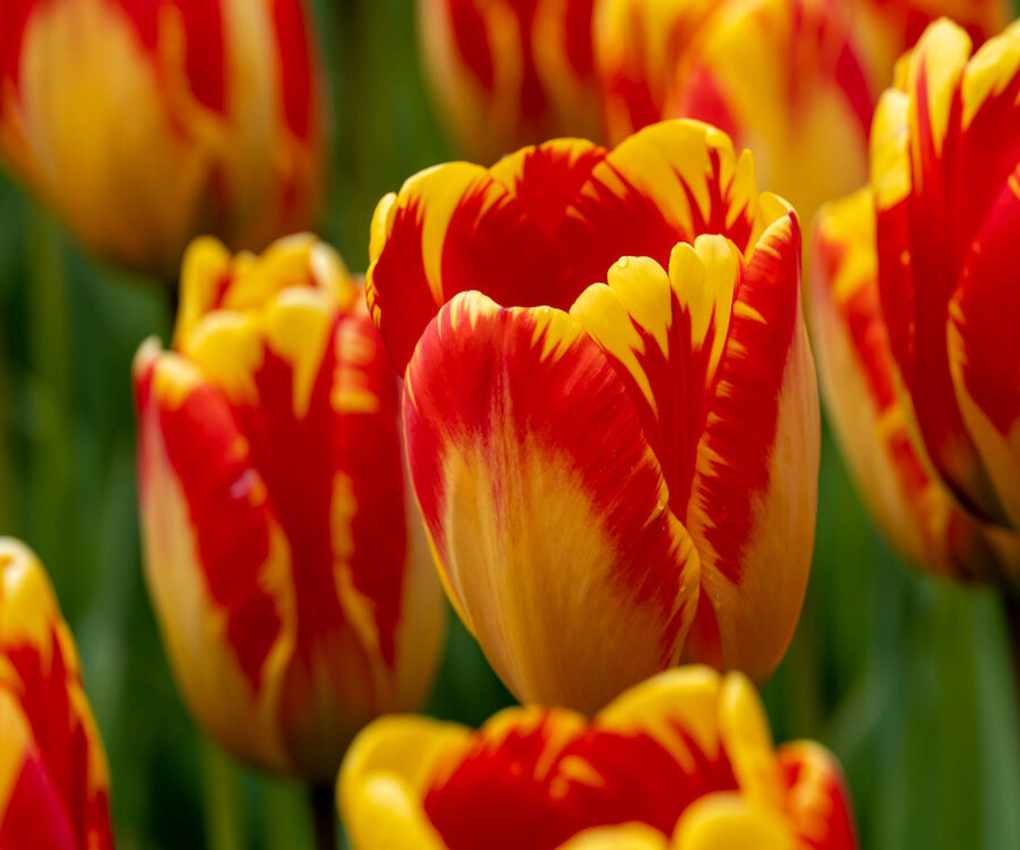
With impressive heights of 20-27 inches (50-70 cm), these robust tulips add vibrant color to any area. They thrive in both sun and partial shade, enduring various weather conditions.
Available in an array of shapes, sizes, and color combinations, including solids, bi-colors, and intricate patterns, they are easy to cultivate, requiring sun and good drainage. Darwins, like the 'Pink Impression' tulip bulbs from Walmart, feature large, classic blooms and tend to bloom early. Popular options include 'Red Impression', 'Banja Luka', 'Golden Parade', and 'Apricot Impression'.
Double Tulips
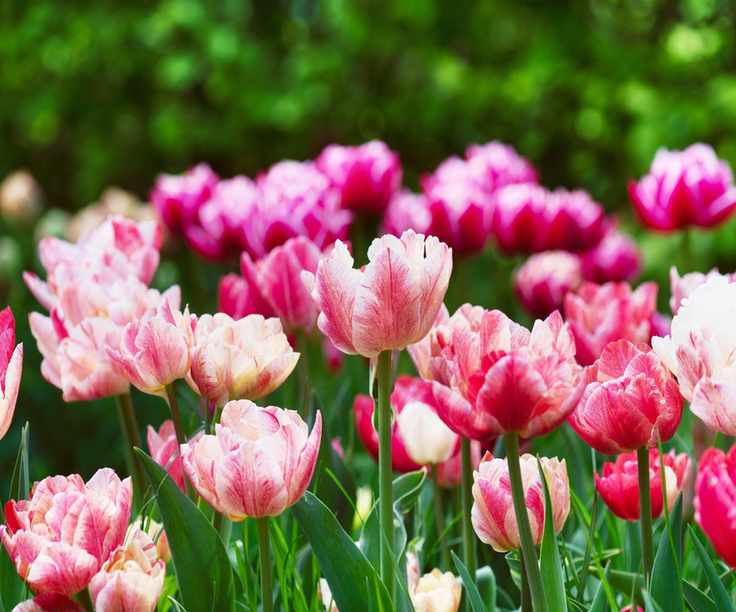
If you appreciate peonies and roses, double tulips will captivate you. Their full, ruffled blooms, made up of multiple petal layers, add a dramatic flair to gardens.
These varieties can be short-lived and perform best in sunny, sheltered spots. Plant 12-15 bulbs together for a stunning display in the ground, raised beds, or large planters with proper drainage.
Extend the blooming period by selecting varieties that flower at different times. Early double tulips like 'Foxtrot' and cream-and-green 'White Mountain' bloom in March and April, while Peony types, such as 'Ice Cream' and 'Sunlover', shine in late April to May.
What distinguishes a tulip type from a variety?
Tulips come in numerous shapes and sizes. This extensive family is categorized into 15 distinct types, including favorites like Triumph, Species, and Parrot, as well as those with more descriptive titles like Fringed and Double Early.
Each type contains various individual tulip varieties. For example, the almost-black 'Queen of Night' tulips, found on Amazon, and the mango-colored 'Dordogne' belong to the Single Late type.
Which tulip types are ideal for cutting?
All tulips add glorious color to a vase and can last 5-10 days, but knowing the right stage to cut stems can enhance your indoor arrangements. Single tulips should be harvested once the bud shows color. Parrots, Double-early, and Peony types last longer if cut when their buds are fully colored but not yet open.
If you're eager to learn more about tulips and how they can enhance your garden, consider exploring what to do with the bulbs after they bloom.