If you're struggling with acne scars, fine lines, or uneven skin tone, microneedling might be a treatment worth considering.
But what exactly does microneedling entail, and is it truly effective?
Understanding Microneedling
Microneedling is a minimally invasive cosmetic procedure that encourages the body's natural healing process by creating tiny punctures in the skin using fine needles. This technique has roots in ancient practices, especially acupuncture.
Its modern iteration gained traction in the early 2000s and has since become popular in the beauty industry.
You might be wondering about the actual benefits of this needle-based treatment. Well, there are several.
Microneedling enhances collagen production, boosts blood circulation, and helps tighten and lift the skin. Consequently, it's effective in addressing acne scars, hyperpigmentation, wrinkles, and stretch marks.
Expected Results from Microneedling
After undergoing microneedling, many notice a reduction in the visibility of fine lines, acne scars, and stretch marks. Your skin will likely appear smoother, and hyperpigmentation may diminish.
The standout advantage of microneedling is its remarkable ability to enhance skin texture. As a collagen-inducing treatment, it promotes overall skin rejuvenation, effectively addressing issues related to pores, wrinkles, and sagging skin.
However, results can vary based on individual skin conditions.
Does Microneedling Cause Pain?
The concept of tiny needles penetrating your skin might sound uncomfortable, but most find that microneedling is not painful. That said, it may not be entirely pleasant either.
A numbing cream is applied by your dermatologist or plastic surgeon, helping to ease the process significantly. Typically, the session lasts about 20 minutes, and many are surprised by how quickly it goes.
While most clients hardly feel the microneedling device, some areas, like the forehead and jawline, may be slightly more sensitive.
Post-treatment, a calming serum and hydrating mask are usually applied to soothe the skin. After a few hours, once the numbing effect wears off, you might hardly recall the needles.
So yes, despite its intimidating image, most people report minimal discomfort.
Is There Downtime After Microneedling?
Another perk of microneedling is the lack of significant downtime. Right after the procedure, you may experience some redness or minor pinpoint bleeding, but that's typically all.
Within a few hours, your skin should return to normal. By the following day, you can continue your regular skincare routine and activities.
To be on the safe side, it's wise to avoid scheduling events right after your treatment, as you wouldn't want to show up with a flushed face.
How Often Should You Get Microneedling?
While a single microneedling session can yield positive effects, multiple treatments are recommended for optimal results. It's advisable to space these sessions at least a month apart.
Who Should Avoid Microneedling?
Microneedling is generally considered safe for all skin types. However, pregnant or breastfeeding women should refrain from this treatment, as they cannot use the numbing cream beforehand.
If you have any open wounds or active acne lesions, it's best to wait until those heal. Microneedling over such areas could potentially worsen outbreaks, which is counterproductive to the treatment's purpose.
If you're dealing with an acne flare-up, consider using a targeted acne treatment to prepare your skin for microneedling.
Professional Microneedling vs. At-Home Rollers
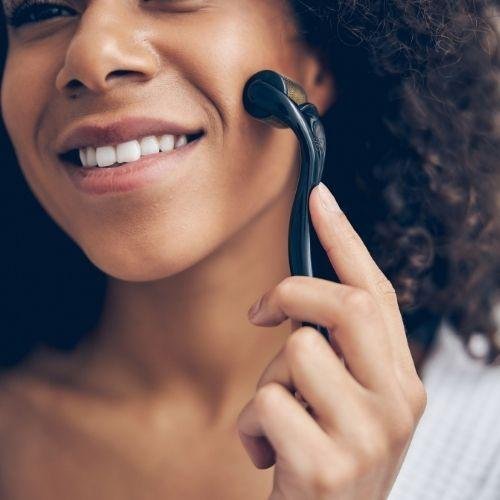
You might have seen at-home derma rollers available for purchase and wondered how they stack up against professional microneedling.
While at-home devices can help smooth the skin, professional treatments penetrate deeper for more effective results.
Additionally, the procedure is conducted by trained professionals who ensure safety and hygiene.
If you're considering smoothing your scars at home before trying professional microneedling, a quality resurfacing treatment could be a great way to start.