
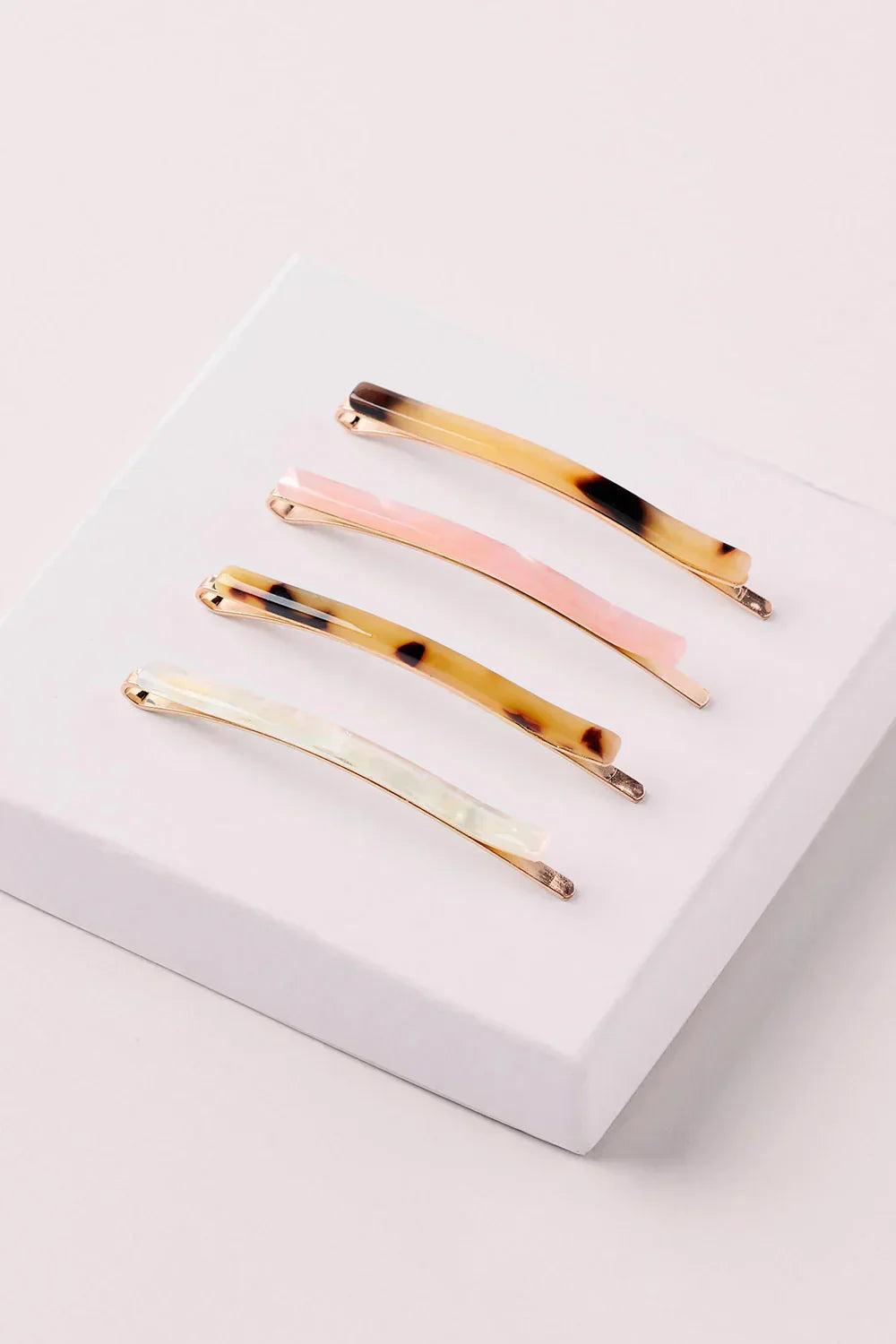
Bobby pins are the unsung heroes of hairstyling, providing an essential grip that supports countless styles. While tools like curling irons and fancy brushes often steal the spotlight, the humble bobby pin has been a game-changer in the beauty industry. These small yet mighty accessories have been in fashion since the 1920s, seen in the hair of everyone from flapper girls to modern stylists crafting red carpet looks.
Let's uncover the intriguing history behind bobby pins and how they've become vital in hairstyling.
The Evolution of Bobby Pins
The bobby pin has a rich history, evolving from earlier hairpin designs into the modern accessory we know today. Its journey started in the 1920s, an era of significant cultural change. With the rise of the bob haircut symbolizing freedom and modernity, women sought a discreet way to manage their new shorter styles. Invented by Luis Marcus, bobby pins were initially sold as handmade items following World War I. He cleverly named them after the bobbed hairstyle, rather than anyone named Bobby. This catchy name quickly gained popularity throughout the 1920s, making bobby pins a staple for shaping bob cuts and finger waves. Known by various names like 'kirby grip' or 'hair grip' in different regions, bobby pins became essential for their compactness and reliability.
Understanding Bobby Pins
To effectively use bobby pins, it's crucial to understand their design. Unlike larger clips, bobby pins are smaller, crafted mainly from metal for a reliable grip.
1. Wavy Side vs. Flat Side: A common error is placing the wavy side facing out. Instead, it should face down against the scalp, allowing the ridges to grip the hair while the flat side gives a neat finish. One prong is straight, while the other is wavy, distinguishing it from other hair accessories.
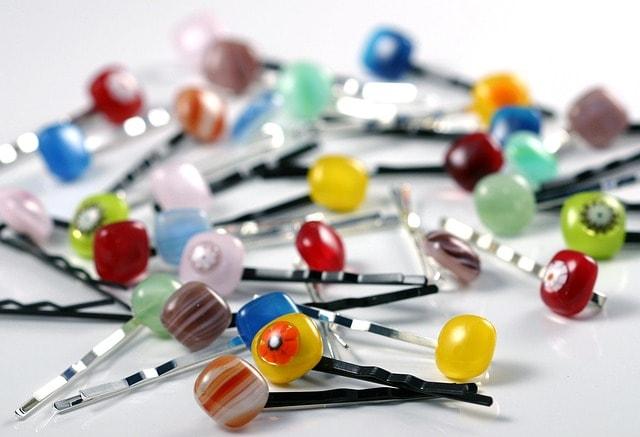
2. Material Choices: Typically made of coated metal, bobby pins now come in various finishes, from matte black to vibrant colors. Unlike clips made from plastic or wood, bobby pins often feature stronger tension springs and snag-proof coatings to help prevent hair damage.
3. Protective Tips: The small ball tips on bobby pins serve two purposes: they protect the scalp from scratches and prevent snagging while inserting the pins into hair.
Impact on Fashion and Culture
The introduction of the bobby pin was a pivotal moment in hairstyling and women's fashion, especially during the lively 1920s. As these pins gained traction, they became essential for women embracing the bob hairstyle trend. No longer just a hair accessory, bobby pins evolved into symbols of practicality and style, allowing women to secure their hair with confidence.
The influence of the bobby pin extended beyond its initial utility. Popularized by icons like Irene Castle, bobbed hair empowered women to experiment with their looks. The secure grip of the bobby pin enabled the creation of sleek finger waves and playful pin curls, allowing women to express their individuality and challenge traditional styles. This small accessory played a significant role in helping women redefine beauty norms and assert their independence.
Over the years, bobby pins have transformed. Initially metal, today's versions are available in various materials, including plastic, with countless colors and designs to fit any hairstyle. Whether used discreetly or as a bold statement, bobby pins continue to be vital in both salons and everyday styling. Their lasting popularity showcases their effectiveness in keeping hair in place for any occasion.
Beyond hairstyling, bobby pins have found unexpected uses in daily life, sometimes even functioning as makeshift lock picks. While this showcases their versatility, it's best to use them for their primary purpose: securing hair and adding elegance to any look.
From their handmade beginnings to their cultural significance, bobby pins have embedded themselves in hairstyling history, making a substantial impact that resonates today.
Mastering Bobby Pin Techniques
Despite their simplicity, mastering bobby pin techniques requires practice. Here are some expert tips:
1. Choose the Right Size
Bobby pins come in various lengths and thicknesses. Standard pins work well for everyday styles, while jumbo pins (2.75 inches) are ideal for thicker or voluminous hair. Mini pins are great for intricate styles or fine hair.
2. Conceal Your Pins
To keep bobby pins hidden:
- Insert them deep into the hair, ensuring only the flat side is slightly visible.
- Position them underneath a section of hair for a cleaner look.
- Select pins that match your hair color for a seamless finish.
Innovative Uses for Bobby Pins
While excelling at securing hair, bobby pins can also serve as fashionable statements.
Throughout history, hair accessories have undergone fascinating transformations, from simple sticks to elaborate barrettes and now, to bobby pins. They have been used across cultures and eras, from Central Africa to Ancient Rome, highlighting their universal appeal. Today, people worldwide rely on bobby pins and similar items for both functionality and style.
Bobby pins also have creative applications beyond hairstyling. For instance, a bent bobby pin can be utilized as a makeshift lock pick or tension wrench, though it's less effective than professional tools. This illustrates their adaptability and usefulness in various situations.
Caring for Your Bobby Pins
Over time, bobby pins can lose their tension or coating. To extend their lifespan, replace them when the protective tips wear down to prevent hair damage.
Final Takeaway
In a world filled with ever-changing hairstyling tools, the bobby pin remains an enduring essential. It proves that elegance often resides in simplicity. Whether creating sleek buns, romantic twists, or bold looks, this small tool offers unmatched versatility.
So, the next time you reach for a bobby pin, remember its role in holding not just your hair, but also decades of innovation and creativity.