

Imagine this: you're having a tough week. Perhaps you're at odds with a loved one, feeling overwhelmed at work, or struggling with sleepless nights. To top it off, you wake up to a breakout. Frustrating, right?
This might not just be a string of unfortunate events. Your mental state can significantly impact your skin, and the reverse is true too. The connection between your mind and body is intricate; if you're feeling down about your skin, it may stem from deeper mental health issues.
The bright side? Nurturing your skin can also enhance your mental health. Let's delve into how your skincare routine and emotional well-being are intertwined.
Skin Care's Influence on Mental Health
Many therapists emphasize that small habits can significantly improve your mental health. A consistent skincare routine is one of those habits, and it offers several benefits.
Prioritizing Self-Care
While many people depend on you, don't forget to care for yourself. A skincare ritual allows you to carve out time for self-care amidst your busy life. It doesn't need to be an elaborate spa day—just a few minutes for cleansing, toning, and moisturizing can make a difference.
This habit can inspire a series of positive choices. By committing to your skincare, you might find yourself opting for healthier meals, sleeping better, exercising more, and managing stress effectively.

Boosting Confidence Through Healthy Skin
Feeling good about your appearance can elevate your mood. When your skin looks radiant and smooth, it can significantly enhance your self-esteem. Investing time in your skincare now can yield lasting confidence that you'll appreciate later.
Establishing a Daily Self-Care Ritual
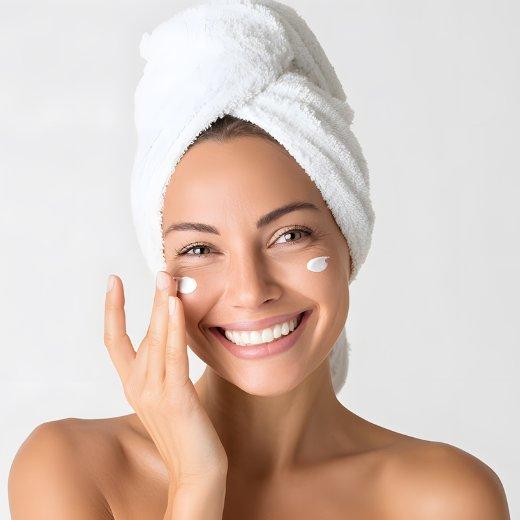
It's not just the skincare products that promote mental and physical wellness; the routine itself plays a vital role. Morning skincare can help you feel organized and ready to face the day. In the evening, a gentle cleanse followed by a night cream can signal relaxation and a moment of self-pampering before bed.
This nighttime routine can be particularly beneficial. Engaging in self-care can alleviate stress—especially if you turn it into a mini-retreat by isolating yourself in the bathroom, playing soothing music, and lighting a calming candle. Moreover, a regular nighttime routine can train your brain when it's time to sleep, helping you drift off more easily.
The Impact of Mental Health on Skin
The relationship between skin care and mental health is reciprocal. Your mental health can also influence your skin's condition.
Exacerbating Skin Issues
Your body operates as a complex system where everything is interconnected. Mental stress can trigger hormonal changes that affect your skin—the largest organ of your body. Ongoing studies continue to explore this connection, but it's clear that stress can worsen skin conditions like acne, eczema, and rosacea.
Skin Symptoms of Mental Health Challenges
Did you know that mental health symptoms can manifest on your skin? Some individuals may scratch or pick at their skin when anxious, leading to irritation or open sores. Increased facial touching during moments of anxiety can introduce dirt and oil that clog pores, resulting in breakouts.
Effects of Sleep Deprivation on Skin
We've all experienced mornings where our skin reflects a poor night's sleep—dark circles, puffiness, and a dull complexion. If mental health issues rob you of restful sleep, your skin may bear the brunt of it regularly.
While skincare is important for aesthetics, it also holds the power to positively influence various aspects of your health, including your mental well-being. The good news? Just a product or two and a few minutes of your time can initiate that beneficial change.