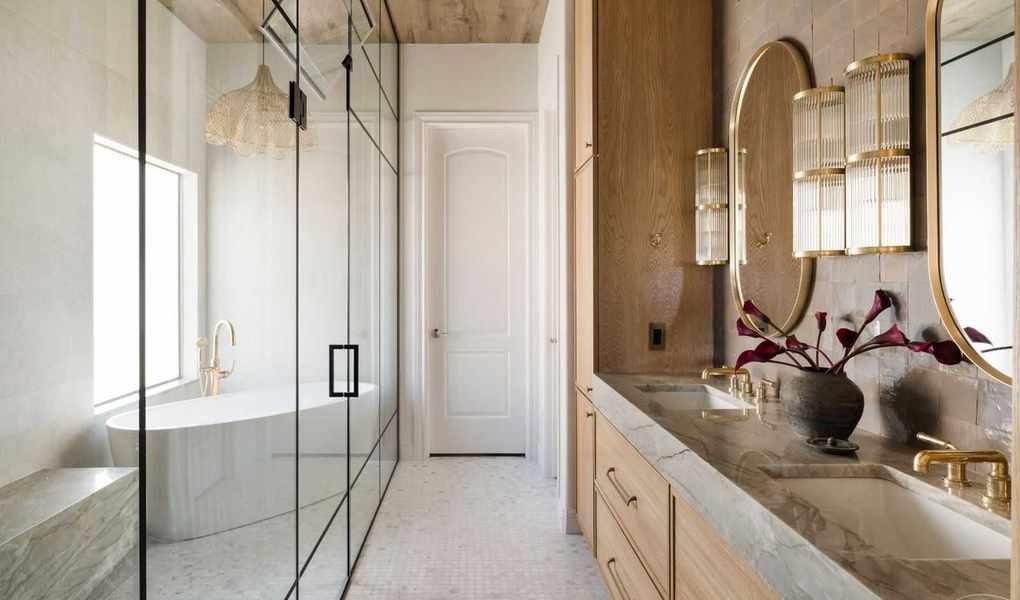
This year has seen a notable shift from open to broken plan designs, especially in bathrooms. Increasingly, homeowners are favoring bathroom layout ideas that promote division, a trend embraced by many interior designers. A broken plan bathroom establishes defined zones, enhancing privacy and functionality.
If you're considering a bathroom makeover, pay attention to this emerging style. Designers are highlighting how to master this layout for a modernized, practical space.
Understanding Broken Plan Bathrooms
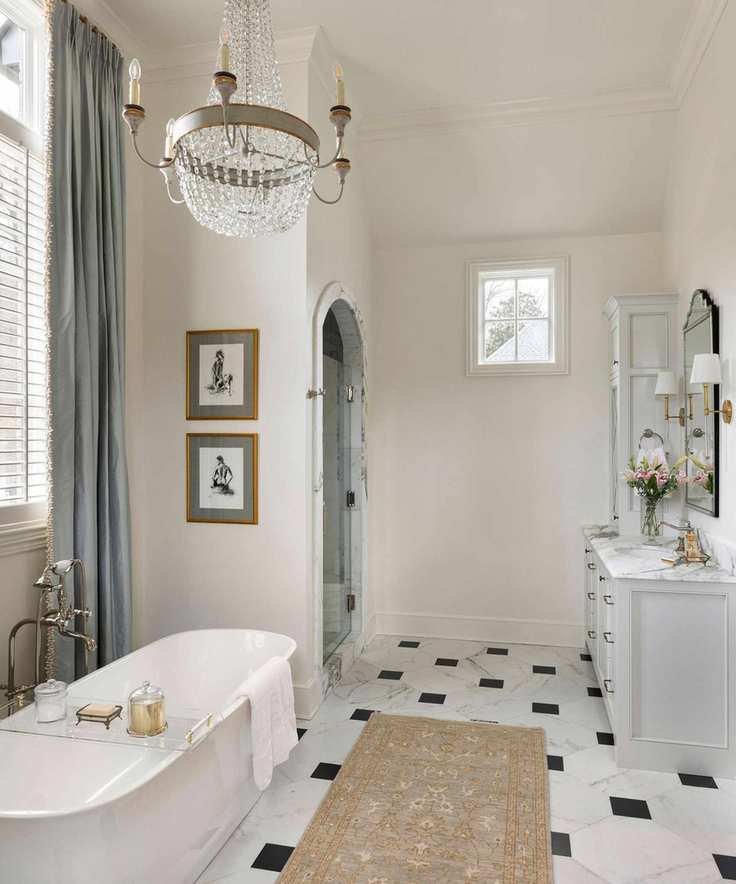
This design transforms an old closet into a cozy shower nook, creating a softer, more inviting ambiance.
Traditionally, bathrooms feature all essentials—shower, bath, vanity, and toilet—in one open area. Broken plan designs challenge this norm by introducing distinct sections within the space.
These layouts offer a way to segment a larger area, creating specific zones for different activities. Think of a designated shower nook, glass partitions separating the bathing area, or a distinct space for your vanity.
According to James Lentaigne, Creative Director, there's a rising interest in broken plan bathrooms as homeowners seek spaces that feel more intentional. Rather than one expansive area, subtle divisions allow for bathing, washing, and dressing to coexist while maintaining a sense of connection.
“The appeal lies in the blend of openness and privacy,” James adds. “This style emphasizes layout, proportion, and flow, particularly advantageous in spacious bathrooms, as it cleverly manages light and sound without enclosing the area entirely.”
Reasons for Its Popularity
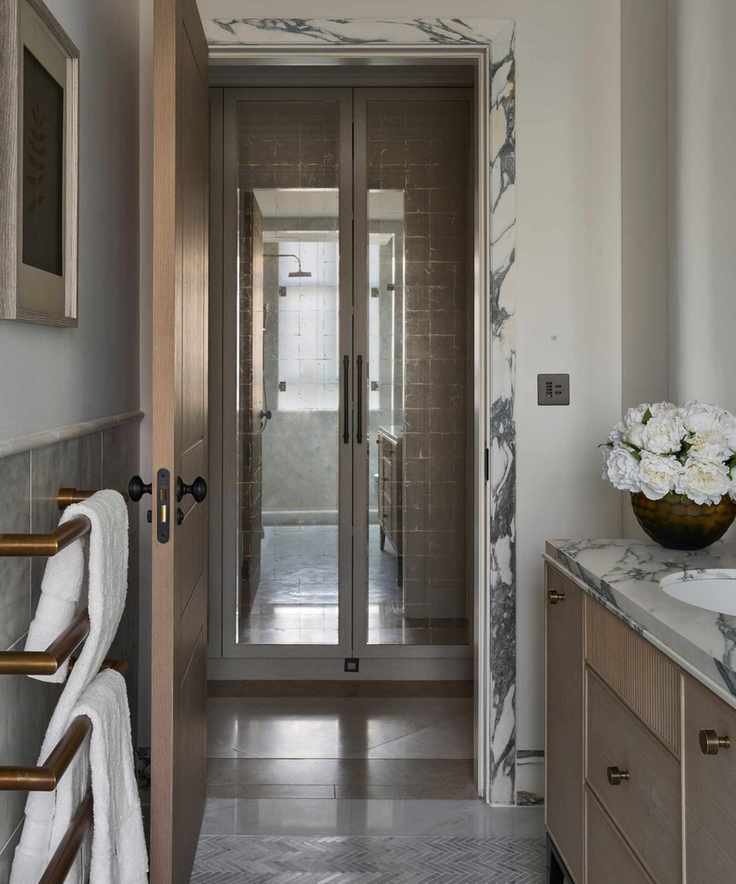
This design features a shower in a separate area, enhancing the zoning between the vanity and wash space.
The rise of broken plan layouts corresponds with the trend toward bathrooms that feel like serene retreats, rather than just functional spaces. Current designs prioritize homeowner personalization over impressing guests.
“Creating distinct zones in a broken plan enhances the intentionality of the layout,” says Laura Williams, Principal Designer. “It showcases the family's use of space and establishes purpose in every section.”
Understanding how a bathroom serves its users, rather than simply looking appealing to visitors, significantly influences this trend. A segmented layout supports this vision.
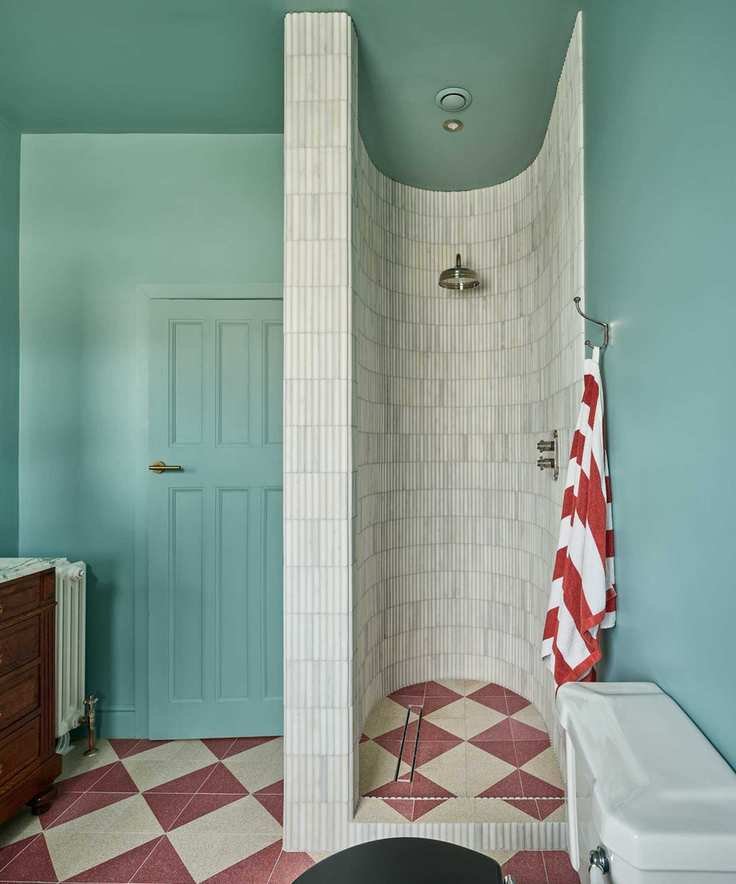
A simple partition between the shower and vanity creates an effective zoning effect.
Octavia Dickinson, an interior designer, explains that as people spend more time at home, there's a growing focus on personal needs rather than accommodating guests. This shift is reminiscent of classic designs where toilets were separate rooms.
“Broken plan bathrooms allow simultaneous use by multiple people, with designated zones for different activities—like a private space for the toilet, a soothing bath area, and a wet zone for the shower,” she elaborates.
“This layout invites creativity, allowing for practical design in high-use areas while splurging in less trafficked sections.”
Designing a Broken Plan Bathroom
When creating a broken plan bathroom, first determine which elements you'd like to separate from the main area. This could be a tucked-away shower nook or a vanity area reminiscent of a dressing room.
“Start by identifying the fixtures you need—perhaps a bath, shower, or dual basins—and consider their optimal placement in your layout,” suggests Octavia.
“Think about the flow of the space and the best locations for windows. It’s practical to enclose the toilet and shower areas for a more streamlined look.”
1. Incorporate a Wet Room
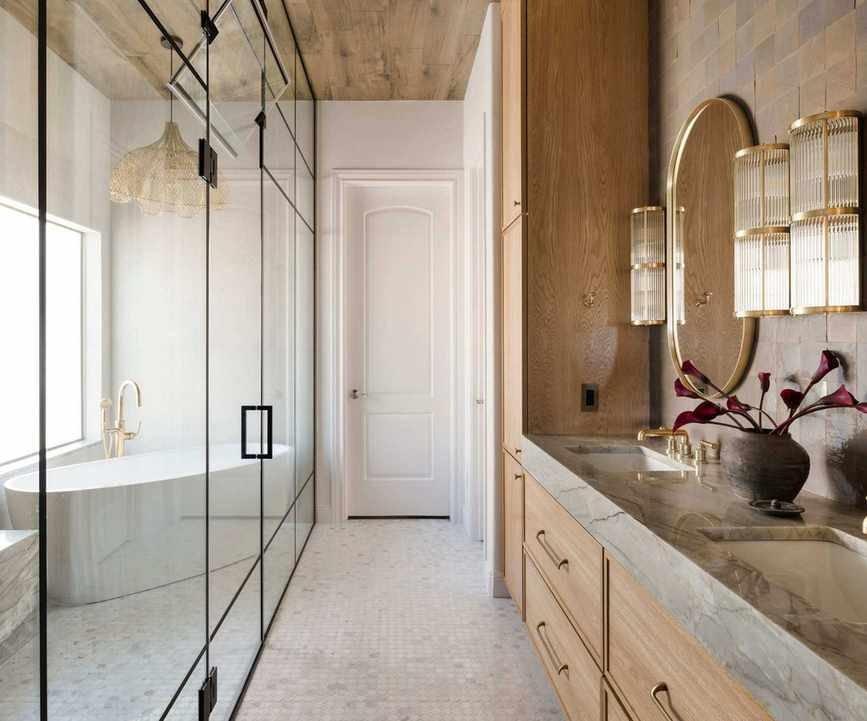
This design effectively uses a glass partition to separate wet areas without sacrificing light.
Introducing a wet room is a straightforward way to achieve a broken plan bathroom. A glass divider between the shower and bath naturally separates wet and dry areas.
“Wet rooms are fantastic for creating a beautiful broken plan bathroom,” Laura notes. “They maximize space while maintaining separation between showering and vanity areas.”
In this example, the glass partition allows light to flow freely while creating distinct zones.
2. Use Furniture for Division
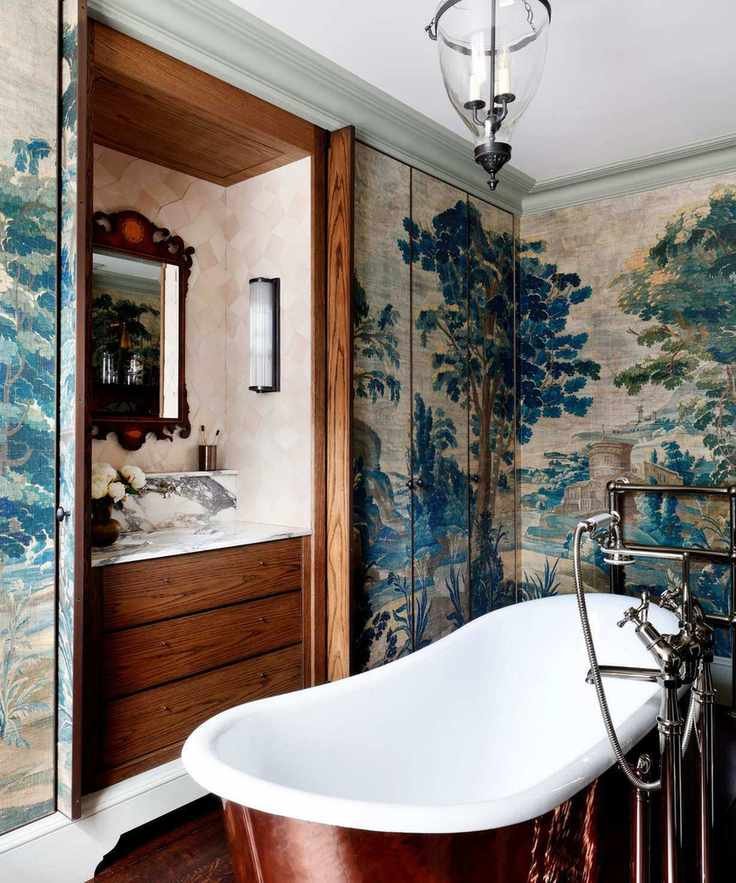
This design cleverly hides the vanity behind pocket doors, allowing for a seamless look when not in use.
This inviting bathroom features a nature-themed tapestry enveloping the walls, creating a warm atmosphere. The design cleverly conceals the vanity behind pocket doors.
“There are various approaches to a broken plan bathroom, including partial walls, half-height partitions, and elevation changes,” James explains. “Glass panels and open frameworks can define areas while allowing light to pass through. Freestanding fixtures can also serve as natural dividers.”
This design utilizes built-in storage to create a versatile environment, enabling homeowners to conceal the vanity when they wish to unwind in the tub. “The pocket door adds subtle separation between functions while preserving visual flow.”
3. Utilize a Dedicated Nook for the Shower or Bath
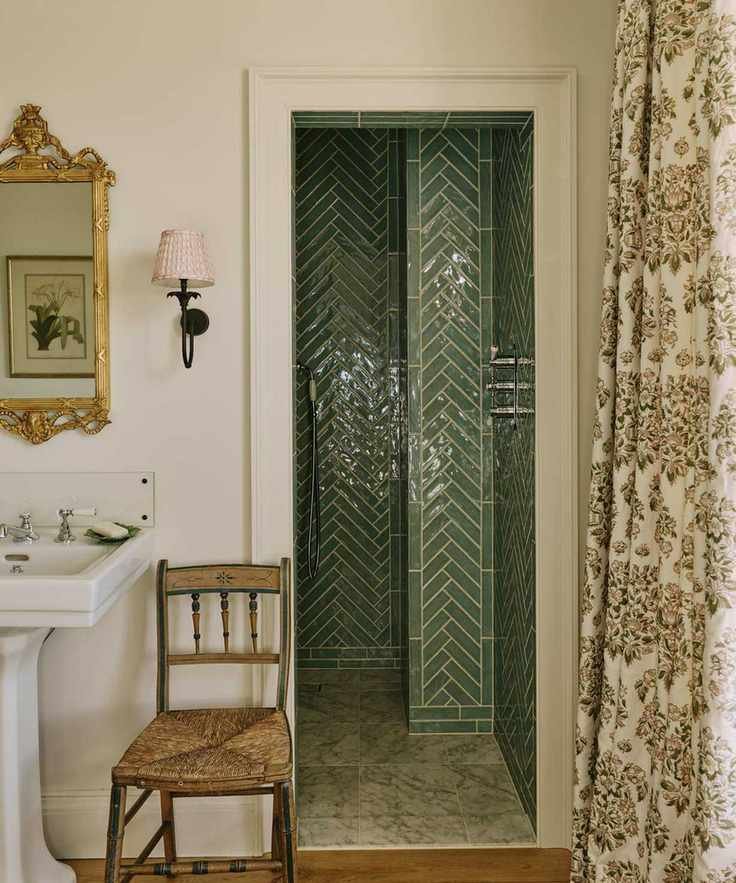
This design creatively repurposes an old cupboard to house both the shower and toilet, effectively dividing functional and aesthetic elements.
Some broken plan bathrooms can incorporate existing architectural features, such as niches, to achieve a more defined layout without needing extensive construction.
“Using a niche for the shower eliminates the need for a door, fostering a relaxed atmosphere,” says Octavia.
By utilizing different zones, you can creatively play with various designs and materials in a typically small area, allowing for unique vistas and architectural details.
Broken plan layouts aim not to fully separate room elements but to create zones that enhance flow and privacy. These designs illustrate how effective broken layouts can be, whether through a glass screen for the shower or a concealed vanity.