
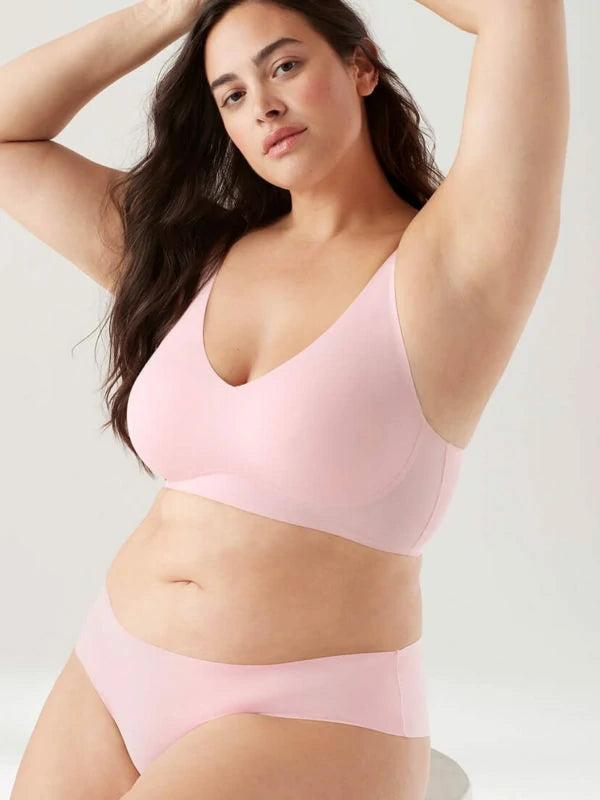
Exploring the uniboob effect reveals its causes, solutions, and tips for achieving a comfortable fit. Uniboob describes the appearance where breasts blend into a single silhouette instead of distinct shapes. This phenomenon often occurs with certain bras, shapewear, and sports bras that lack sufficient structure or separation. Not only can uniboob be unappealing, but it can also cause discomfort, leading to issues like restricted movement and skin irritation.
This guide examines the causes of uniboob, its impact on comfort and appearance, and offers expert advice on selecting bras that prevent this issue while ensuring a supportive, flattering fit.
What Contributes to the Uniboob Effect?
Several elements can contribute to the uniboob look, including bra design and support levels. Here are the most common causes:
No Cup Separation
- Many sports and compression bras aim to keep the breasts close to the body to limit movement. However, without separate cups or distinct panels, these bras compress breast tissue together, resulting in the uniboob effect.
Incorrect Bra Size
- A bra that's too tight, particularly in the chest band, can lead to an unappealing compression of the breasts. If the cups are too small, they may not fully contain each breast, causing a merged appearance.
Lack of Support
- Bras that lack underwire or have limited structural support often do not provide the shaping needed for larger breasts, increasing the likelihood of uniboob. Without adequate support, breast tissue may shift toward the center, particularly in low-impact bras.
Fabric Selection
- Certain fabrics, especially those with high elasticity and less structure, are more prone to causing uniboob. While stretchy, seamless bras can be comfortable, they may compress rather than lift and separate.
Why Uniboob Can Be Uncomfortable
Beyond aesthetics, uniboob can lead to discomfort in various ways. Common issues include:
Decreased Breathability – When breasts are pressed together, airflow is limited, potentially causing sweat accumulation and irritation, especially during workouts or hot weather.
Chafing and Skin Irritation – The absence of separation can cause skin to rub together, raising the risk of chafing. Over time, this may lead to painful rashes or discomfort.
Restricted Movement – Compression bras causing uniboob can hinder natural movement and range of motion, making certain activities uncomfortable.
Ways to Prevent the Uniboob Effect
To avoid uniboob, select bras with specific design features that support and separate each breast. Here are key factors to consider:
Opt for Molded or Structured Cups
- Molded cups or bras with defined cups create separation and give each breast its own space, shaping and lifting them for a naturally contoured look without compression.
Look for Underwire Support
- Underwire bras provide structure and lift, creating a clear boundary between each breast. This wired support helps shape the breasts, preventing them from merging.
Consider Encapsulation Sports Bras
- Unlike compression sports bras, encapsulation styles feature individual cups for each breast, offering high-impact support while avoiding the uniboob effect, making them perfect for physical activities.
Choose Adjustable Straps and Bands
- Adjustable straps and a supportive band facilitate a more personalized fit, minimizing the chance of uniboob. A secure, well-fitting band supports without excessive compression, and adjustable straps help position the bra correctly on the shoulders.
Look for Gore Panels
- The gore is the center panel between the cups of a bra. A well-designed gore sits flat against the chest, helping to keep the breasts separated. Taller gores may benefit those with fuller chests, offering improved separation and preventing uniboob.
Select Quality Materials
- Choose bras made from materials that blend elasticity with structure. While lightweight, stretchy fabrics may feel comfortable, they often lack support. Opt for bras with reinforced or layered fabrics for better shape and reduced compression.
Bra Styles Effective at Reducing Uniboob
Certain bra styles are specifically crafted to provide separation, making them ideal for those concerned about uniboob:
Finding the Right Fit
A professional bra fitting is one of the best ways to avoid uniboob and ensure you have the correct size and style. Here are some helpful tips:
Measure Often – Changes in body size, weight, or lifestyle can affect your bra size. Regular fittings help ensure you're wearing the right size, crucial for avoiding uniboob.
Examine Band and Cup Fit – A snug band provides support and lift, while a correctly fitted cup encapsulates the breast without overflow or compression. Ensure the gore is flat against your chest for optimal separation.
Adjust Strap Fit
- Straps should be adjusted to provide lift without digging into your shoulders. Proper adjustment helps create a balanced fit and contributes to a more natural breast shape.
Achieving a Flattering Fit Without Uniboob
Whether you're selecting a bra for everyday use, workouts, or special events, knowing how to avoid the uniboob effect significantly enhances both comfort and confidence. By choosing bras with proper structure, individual cup separation, and quality materials, you can maintain a flattering silhouette and stay comfortable all day long.
Investing in well-designed bras not only improves appearance but also boosts comfort by lowering skin irritation, enhancing breathability, and supporting ease of movement. With the right fit and style, you can achieve a smooth, separated look that feels as good as it looks.