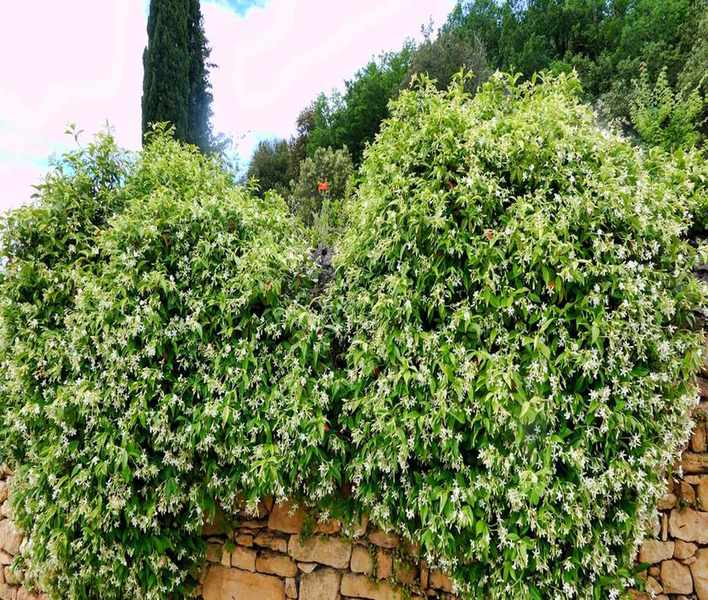
When caring for star jasmine, knowing the right time and method for fertilization is vital. While these hardy climbers can thrive in less than ideal soil conditions, a little fertilizer at the right time can significantly enhance their growth.
Star jasmine, scientifically known as Trachelospermum jasminoides, is a popular climbing plant admired for its glossy leaves and fragrant, star-shaped flowers. Understanding how to properly fertilize can boost their health and flowering potential.
If you're familiar with growing star jasmine but seek insights on fertilization, you're in the right spot. Whether tending to a young vine or a mature one, this guide will help ensure your star jasmine remains vibrant and produces flowers for many seasons.
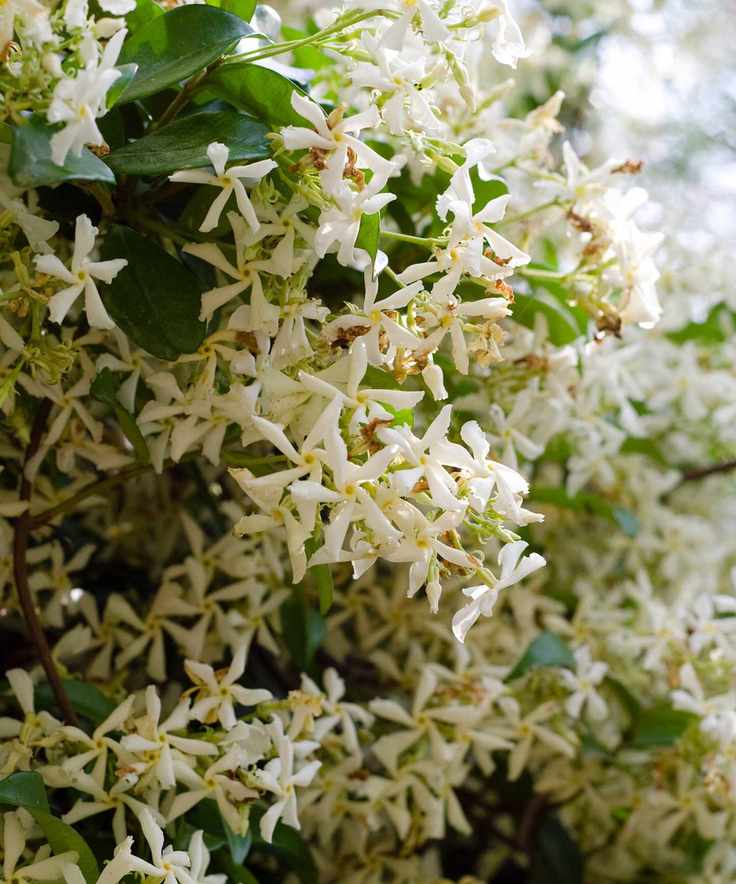
Understanding Star Jasmine Growth
Star jasmine is indigenous to regions in Asia, including Japan, Korea, southern China, and Vietnam, according to a gardening professional. It flourishes best in US hardiness zones 8 to 10, preferring full sun or partial shade.
In their natural environments, these vines thrive in well-drained, nutrient-rich soils. Therefore, feeding them occasionally can enhance their growth, especially when planted in pots or poor soil.
Optimal Times for Fertilizing Star Jasmine
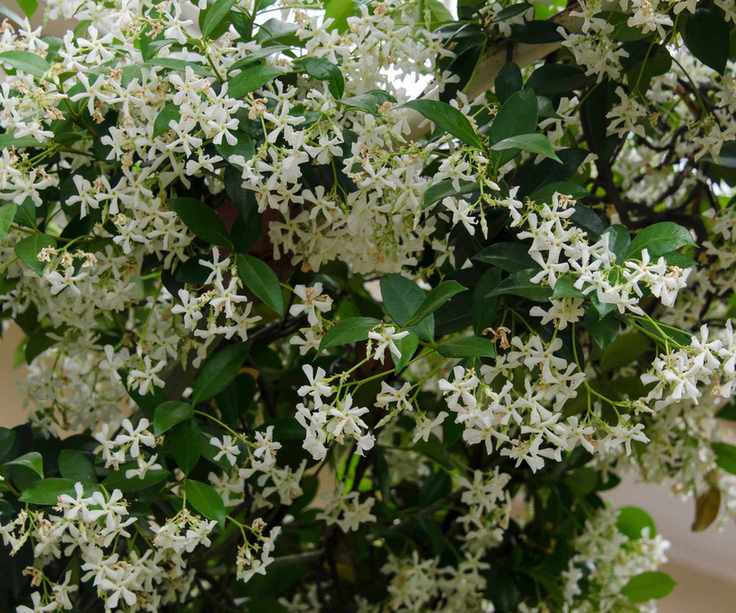
Timing is crucial when it comes to fertilizing star jasmine. Start fertilizing in early spring, as new growth begins to appear.
If your star jasmine is in a container, feed it monthly from April to September. For those planted in the ground, a single application in spring is generally sufficient. Over-fertilizing can lead to mistakes that harm the plant rather than help it.
It's best to avoid fertilizing after September to prevent the development of tender shoots that may not withstand the cold.
Regardless of whether your star jasmine is in pots or the ground, this spring and summer feeding schedule will promote healthy growth and flowering.
Effective Fertilization Techniques for Star Jasmine
Feeding star jasmine is straightforward, but selecting the right fertilizer is essential.
For younger, recently planted vines, apply a small amount of bone meal to the soil, mixing it in lightly before deep watering. Bone meal, rich in nitrogen and phosphorus, supports robust root development.
For established plants in pots with healthy foliage, consider a bloom booster fertilizer high in potassium and phosphorus to encourage more flowers.
For larger, well-established plants in borders, use a balanced, slow-release fertilizer with equal ratios, like a 10-10-10 mix. This will provide steady nutrients throughout the growing season, requiring only one application in the spring.
Common Questions
Can I use tomato fertilizer on climbing plants?
Absolutely! To enhance flowering, apply a high-potassium liquid feed, such as tomato fertilizer, to container-grown climbers. This organic tomato feed from Burpee is a great option. Use it monthly during flowering, then switch to a general fertilizer in summer.
If your star jasmine isn't flowering well, it might not be a nutritional issue. Ensure the plant gets at least six hours of sunlight daily to promote blooming.
Potted plants can be moved easily to sunnier spots, but consider light requirements carefully when planting in borders, as relocating established plants can be challenging.
Climbing Plant Accessories to Consider
Long Gardening Gloves
These protective leather gloves will keep your hands and arms safe while working with star jasmine.
Organic Bone Meal Feed
This phosphorus-rich bone meal is perfect for nurturing younger star jasmine plants.
Green Plant Support Twists
This discreet, reusable wire is ideal for supporting your star jasmine shoots as they grow.