

Travel once defined my life, providing excitement and purpose. I took 45 flights in one year, believing it was proof of a vibrant existence. Travel brought inspiration and connection, but it also created a sense of direction. When constantly moving, it's easy to feel in control.
Recently, I encountered a thought-provoking idea: that constant movement might disguise true fulfillment. Travel offers a packed schedule, leaving little room for self-reflection. The downside became apparent—lingering fatigue after trips, a nervous system that found it hard to relax, and the realization that I often felt more alive in anticipation rather than in my daily life.
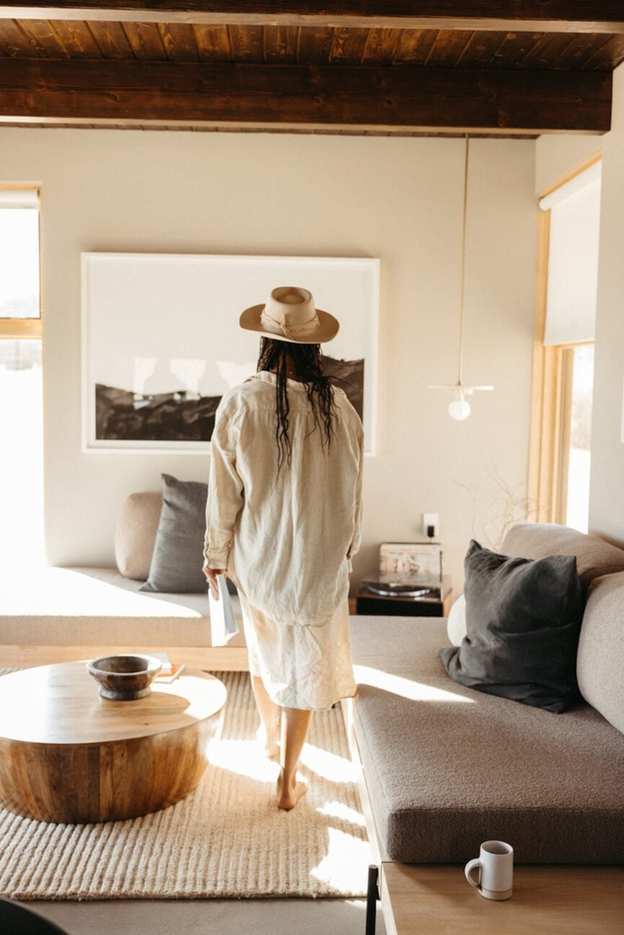
Discovering Joy in Your Own Space
Rather than planning my next trip, I decided on a low-travel year. This wasn't a rejection of adventure, but rather a deliberate choice to remain home and observe life more closely. In 2026, my focus shifts to Portland and the Pacific Northwest, finding wonder and growth without frequent travel. I've learned that being still doesn't diminish life's purpose; instead, it encourages a more intentional creation of it.
Reasons for a Low-Travel Year
My decision stemmed from a shift in priorities, not burnout. Even trips I cherished had begun to demand more energy from me. Recovery periods lengthened, transitions felt cumbersome, and while inspiration persisted, I could no longer ignore the accompanying fatigue.
Slowing down afforded me clarity on how I wished to live. Frequent travel led me to shape life around what was fleeting—planning for takeoffs, justifying treats, and pushing self-care to when I returned. A low-travel year allows me to invest in what truly supports me: my home, health, creative pursuits, and the relationships I nurture when I'm not traveling.
Above all, I wanted to explore what happens when I stop depending on travel for a sense of expansion. Without trips scheduled, I began to ask different questions: What fills my days when there's nothing novel planned? How can I find excitement without seeking it elsewhere? This low-travel year invites me to cultivate meaning through attention instead of movement.
The Burdens of Constant Travel
I once viewed the fatigue from travel as a charming tradeoff. However, as trips piled up, the impact became undeniable. Emotionally, I had little time to process experiences before moving on. Each return felt rushed, each departure more hurried.
Physically, constant travel takes a toll. Airports, time zone changes, unfamiliar beds, and ongoing stimulation keep the body in a state of alertness. Even enjoyable trips rarely offer true restoration. Over time, I craved stability—not from boredom, but because my nervous system required grounding.
Then there's the financial aspect. When travel becomes routine, expenses fade into the background—casual flights, justified accommodations, and meaningful experiences start to feel necessary. Individually, these costs don't seem extravagant, but collectively, they limit long-term investments, consistent care, and the choices that support daily life.
Acknowledging these costs wasn't about rejecting travel but recognizing how easily constant motion can disrupt stability. Staying home intentionally became a form of self-care.
Recharging at Home
The most surprising aspect of staying home was the relief, not boredom. My days felt more expansive, even when busy. Energy transformed from something I had to regain into something I could cultivate.
Staying home helped me recharge in small, meaningful ways. Mornings were unhurried, and evenings lingered instead of collapsing into exhaustion. Much of my mental energy—once spent on logistics—was now available for daily experiences.
Routine returned—regular meals, familiar activities. My creativity became steadier, not sparked by new experiences but nurtured by repetition. Inspiration flowed naturally from neighborhood walks, visits to the farmer's market, and rich conversations over time.
Staying home expanded my world. It brought stability.
Awe in Your Immediate Surroundings
A low-travel year has shown me that wonder doesn't vanish when you're stationary; it simply comes closer to home. Here are ways I've cultivated curiosity and growth without leaving my space.
1. Revisit a Favorite Spot Regularly. Pick a location—a park or coffee shop—and make it a regular destination. Familiarity deepens appreciation and reveals change.
2. Schedule a Weekly Solo Adventure. Travel often provides solitude. In its absence, I carve out time for solo activities—whether a walk, museum visit, or lunch—making it a priority.
3. Discover Local Gems Anew. Explore neighborhoods you seldom visit. Learn the history of places you pass daily. Remember, curiosity doesn't require distance.
4. Let Seasons Guide Your Plans. Instead of planning for productivity, align activities with light and weather—enjoying longer walks on sunny days and embracing earlier nights when it's dark.
5. Create Anticipation at Home. Organize weekly dinners, monthly outings, and personal projects—having future plans can transform the present moment.
A Weekly Framework for Inspiration
Travel generates momentum, and during my low-travel year, I've found it beneficial to recreate that structure without overwhelming my schedule.
1. One Anchor Activity. Select something to anticipate each week: a walk, workout class, or dinner with a friend.
2. One Curious Moment. Engage in something that stimulates your mind—a movie, a book chapter, a lecture, or a documentary.
3. One Intentional Night In. Plan a cozy evening like an outing: decide what to cook, read, watch, and when to unplug.
4. One Movement Session. Engage in physical activity without specific goals—walking, stretching, or yoga.
5. One Reflection Time. Spend a few minutes journaling to reflect on what energized you, what drained you, and what you desire more of in the coming week.
Embracing Stillness as a New Season
A low-travel year is not about reducing your life. For me, it's about allowing my life to unfold where I am—without the constant movement and anticipation that travel demands.
Travel isn't the issue; I still cherish it. However, I've realized how easily movement can replace genuine meaning, how busy schedules can mask fatigue, and how often I outsourced my sense of excitement to future destinations. Staying home has required me to be more attentive, present, and patient. It may not always be glamorous, but it's profoundly grounding.
This year doesn't mean saying no forever. It's about embracing a period of rooting down, appreciating what's already around, and trusting that growth doesn't always need a boarding pass. If you're feeling weary or unanchored, consider that a low-travel year might not be a retreat but a return to what you truly need.
30 Simple Delights to Add to Your June Calendar