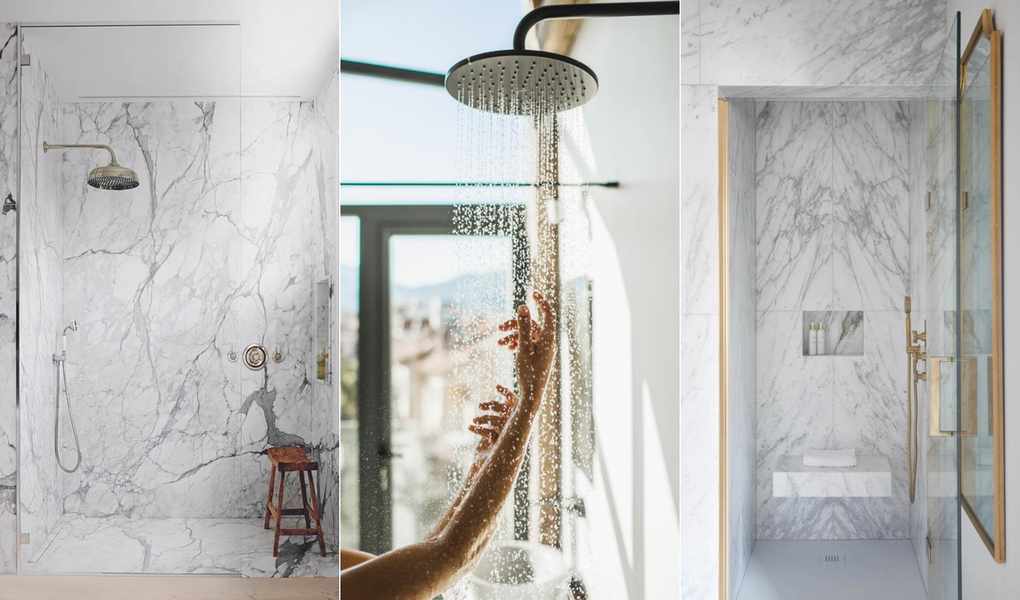
A weak shower can really put a damper on your morning. If your water pressure is lacking, it might be time to take action. Many homes struggle with low water pressure in their bathrooms and shower areas. Over time, mineral deposits in your showerhead can limit water flow, or your plumbing may not be as efficient as it used to be.
Addressing Low Water Pressure in Your Shower
We’ve gathered expert advice from plumbing and HVAC professionals to help you recognize and resolve low water pressure issues at home. Here’s what they suggest:
Recognizing Low Water Pressure in Your Shower
Besides the clear indication of a weak shower, you can identify low water pressure in two straightforward ways:
1. Utilize a Water Pressure Gauge
According to plumbing expert Audrey Monell, “The most reliable method to determine low water pressure is by using a pressure gauge, available at local hardware stores or online.”
Watts Water Pressure Test-Gauge Brass
This practical gauge is easy to install and provides accurate readings.

Audrey Monell has spent a lifetime in plumbing and HVAC, adeptly leading a family business through various challenges.
2. Use the 'Bucket Method'
“If you lack a pressure gauge, turn on your shower at full blast for one minute. Place a 5-gallon bucket under the water flow and time how long it takes to fill,” suggests Monell. “Start the timer when the water first hits the bucket and stop it once it overflows. Divide 5 by the time it took to fill to calculate your GPM (gallons per minute). For instance, if it took two minutes, your GPM would be 2.5.”
1.5 GPM is typical for low-flow showerheads, whereas 2 GPM is standard for a functioning shower as per the Current U.S. Federal WaterSense standard. 2.5 GPM is the legal maximum flow rate for showerheads in the U.S.
“Watch for any inconsistencies in water flow, as this may indicate a more significant plumbing issue,” Monell adds.
Common Causes of Low Water Pressure in Showers
Several factors contribute to a frustrating shower experience. Here are some frequent causes:
1. Aging Plumbing Systems
Older homes often encounter low water pressure due to outdated plumbing systems that struggle with modern high-pressure demands, particularly in top-floor bathrooms, as noted by plumbing expert Hendrik Vandepoll.

Hendrik Vandepoll is a Master Plumber with over three decades of experience.
2. Corroded or Inefficient Pipes
Over time, pipes can deteriorate or leak, obstructing water flow to your shower. The size of your pipes can also impact water pressure.
“A shower should ideally have a 3/4" pipe and valve for optimal flow, but many are restricted to a 1/2" pipe,” Vandepoll explains.
3. Issues with Your Pressure Reducing Valve (PRV)
“Your home’s Pressure Reducing Valve manages incoming water pressure,” Vandepoll says. “These valves can fail over time. Testing pressure with a gauge can help homeowners assess the situation, but replacing a faulty PRV requires professional help.”
4. Partially Closed Valves
Sometimes valves in your plumbing may not be fully open. This can happen after repairs. Make sure your main shutoff and water meter valves are completely open for optimal flow.
Solutions for Low Water Pressure in Showers
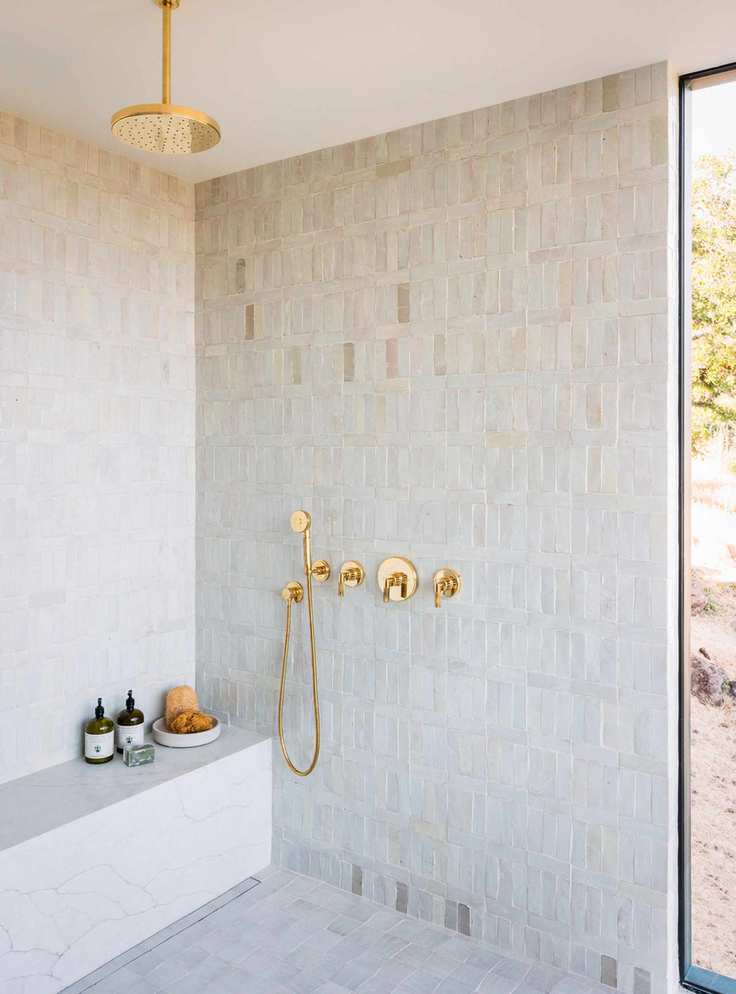
You don’t have to put up with low water pressure. Here are a few quick solutions to consider before bringing in professionals:
1. Clean or Descale Your Shower Head
“Start by checking for mineral buildup in the shower head,” advises Vandepoll. “Removing the showerhead typically requires just an adjustable wrench. Soak it in a vinegar-water mixture to dissolve blockages and restore flow.”
“Consider soaking it in a descaling solution, like CLR PRO Calcium, Lime and Rust Remover, from Amazon,” suggests Mark Collins, CEO of a plumbing service.
Utilize this opportunity to also tidy up your bathroom while you’re at it.
2. Upgrade or Replace Your Shower Head
If cleaning doesn’t help, consider replacing your shower head. Years of use can cause limescale buildup that hinders water flow. Check handheld shower hoses for dents as well, which can affect pressure.
When shopping for a new showerhead, look for fewer, smaller holes for a stronger spray. Adjustable showerheads with multiple settings provide customizable experiences.
3. Inspect Your Valves and Pipes
“Ensure your water shut-off valve is fully open, particularly after renovations,” Monell advises. “Check under your sink or near the water heater, aligning the valve parallel to the pipe for full water flow.”
4. Consult Professionals
If you’ve tried these fixes and still see no improvement, it’s time to call in a plumber. They can diagnose any deeper plumbing issues that may be affecting your water pressure.
“A problem with your municipal water supply could also be at play, indicating a potential main break,” says Joseph Wade, VP of Operations at a plumbing company. “If low pressure is a chronic issue, you might consider installing a pressure tank and pump for help.”
Common Questions
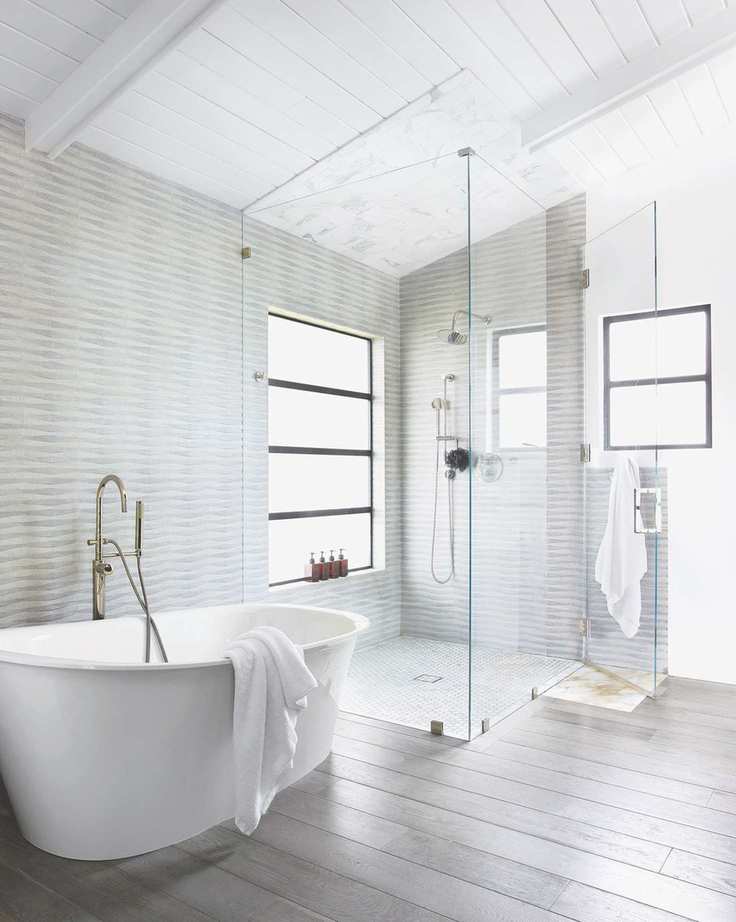
Why is my shower water pressure low while other faucets are fine?
If your sinks show good pressure but your shower isn’t, it might be due to the height of your showerhead. Lowering it closer to the water source could resolve the issue.
How do I read a water pressure gauge?
Reading a water pressure gauge is straightforward. Here’s how:
- Locate the Gauge: Usually attached to the main water supply line or on a hose bibb. It looks like a circular dial with numbers around it.
- Check Pressure When Off: For an accurate reading, ensure all other faucets are off.
- Understand the Measurements: Gauges typically measure pressure in PSI (pounds per square inch).
- Read the Needle's Position: The needle indicates your current water pressure.
- Check Optimal Pressure Range: Normal home pressure should be between 40 to 60 PSI.
- Monitor Fluctuations: Note any significant changes over time.
- Consider the Timing: Pressure can vary throughout the day, often peaking at night.
If your pressure consistently falls below 40 PSI or exceeds 60 PSI, consider consulting a plumber. Low pressure may signal leaks or blockages.
While you're improving your shower, consider other updates for your bathroom. Refresh grout, retile, or enhance lighting. You can transform your space without breaking the bank, or simply tackle a decluttering checklist for a fresh feel.