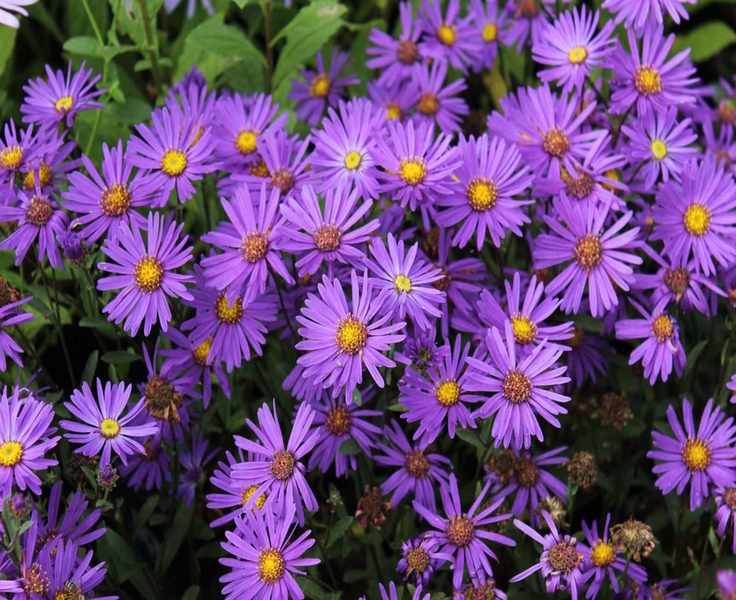
Asters are fantastic additions to your garden, bringing vibrant colors from late summer through fall. They're easy to grow and attract pollinators, making them a favorite for many gardeners.
With numerous varieties available, both annual and perennial, asters offer daisy-like blooms in shades of pink, purple, blue, apricot, and white. They belong to the Asteraceae family, which also features daisies, marigolds, sunflowers, and echinacea.
Understanding how to cultivate and maintain asters can prolong the blooming season of your garden into the fall.
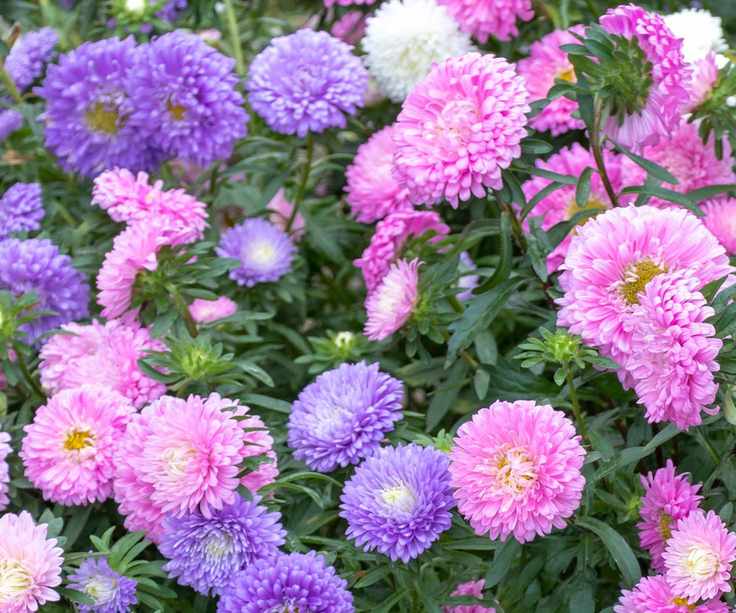
Callistephus chinensis are annual asters that can be grown from seed and make excellent cutting flowers
Growing Asters
While perennial asters can be grown from seed, it often takes years for them to bloom. A quicker option is to purchase plants in spring. Native asters thrive across North America, but cultivated varieties differ from their wild counterparts.
It's worth noting that some asters have undergone a name change recently. While certain types still go by the name aster, others have been reclassified under Symphyotrichum.
This shift is more common in the UK than in the US, but keeping this in mind can prevent future confusion.
When selecting plants for your flower bed ideas, consider the growing conditions in your yard, the available space, and how they fit into your overall planting strategy.
Growth Characteristics of Asters
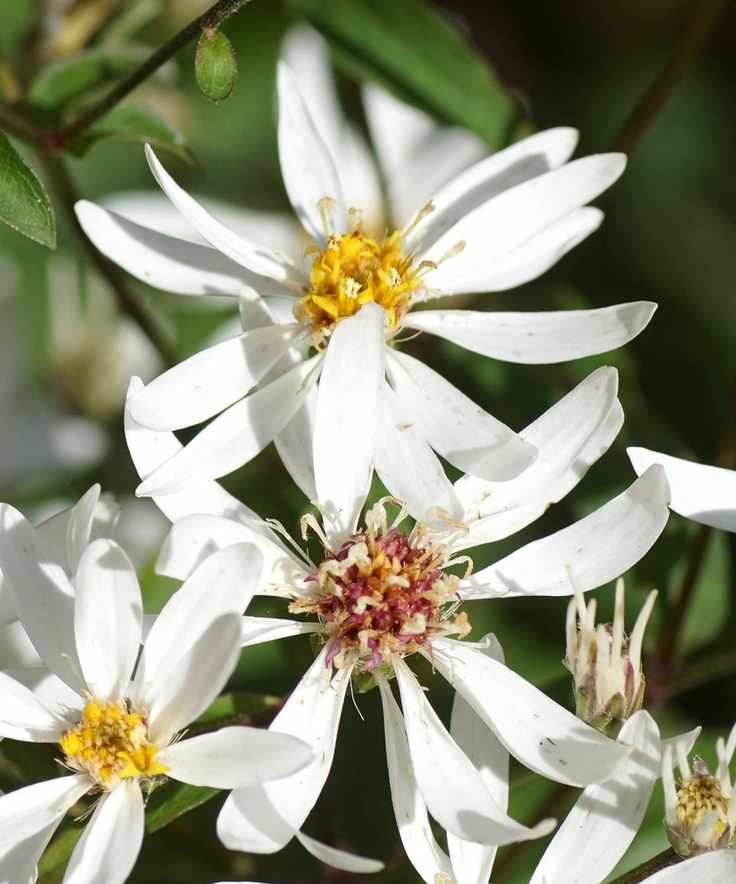
Unlike other asters with lots of clustered petals, 'White Wood' aster produces a constellation of star-like flowers
Asters are native to many areas of North America. These tall, clump-forming herbaceous perennials can reach heights of 6 feet, while climbing asters may grow up to 10 feet when supported.
Annual asters, known as Callistephus chinensis, typically grow to about 27 inches tall. Although these are half-hardy and not fully frost-resistant, they serve well as bedding plants and cut flowers, available as seeds from Amazon.
To cultivate from seed, plant in spring using quality seed potting soil. Once seedlings grow sufficiently, transplant them into small pots and nurture until frost is no longer a concern.
Acclimatize your young plants to outdoor conditions gradually—a process called hardening off—before placing them in their final spots.
Perennial asters are incredibly hardy and thrive in US hardiness zones 3-8, flourishing in both soil and containers.
Popular varieties include the mauve-flowered Aster amellus, purchasable as plants at Amazon, 'White Ladies' from Dutch Grown, and the 40-inch tall aster New York Aster 'Fellowship'.
Aster Care Guide
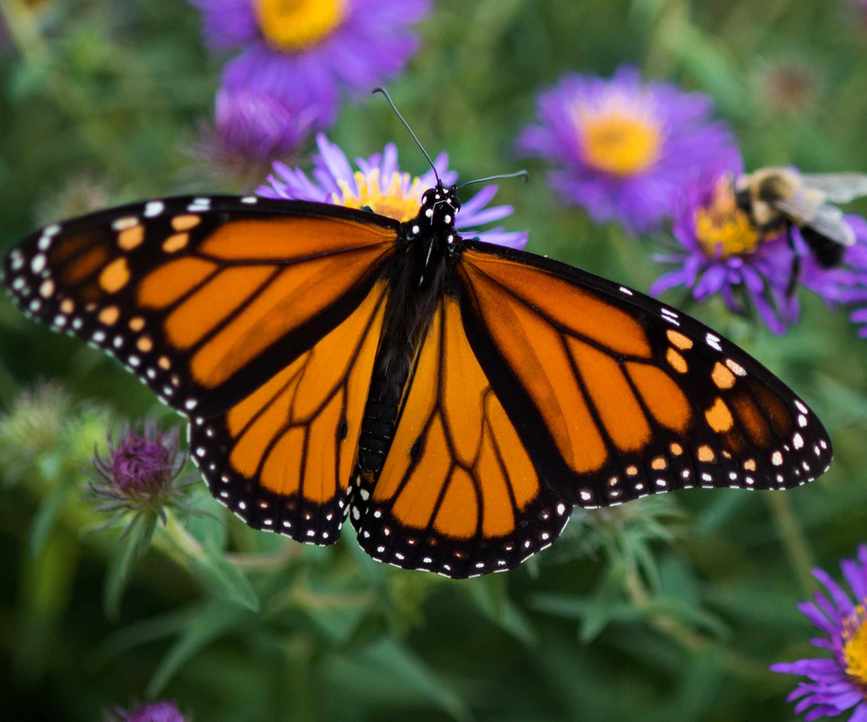
Asters are vital for pollinators, especially the stunning monarch butterfly
Soil: Asters thrive in nutrient-rich, loamy soil with a slightly acidic pH. To amend alkaline soil, incorporate well-rotted organic matter like manure or homemade compost.
Ensure good drainage, as asters' roots can rot in overly wet soil. If your soil is heavy clay, consider compact varieties like 'Purple Dome' available from Amazon in containers.
Light: For abundant, long-lasting blooms, plant asters in sunny spots. Insufficient sunlight can lead to weak, leggy growth and fewer flowers.
If your yard receives limited sun, some native varieties, like 'White Wood', can handle more shade.
Watering: Water asters thoroughly upon planting, maintaining consistent moisture until they're established. Once mature, water regularly during flowering, ensuring the soil is moist, not the foliage, to prevent mold issues.
Fertilizing: Asters aren't heavy feeders, but for optimal results, use a general-purpose fertilizer every two weeks from April to late July. Once flowering begins, switch to a fortnightly feed with tomato fertilizer like Expert Gardener Tomato and Vegetable Plant Food from Walmart.
When using granular fertilizers, apply as instructed and water them in well.
Pruning: Pinching back aster shoots in spring encourages bushier growth and more flowers. Removing spent blooms, known as deadheading, promotes additional budding.
Opinions vary on the best timing to cut back asters, but I prefer to leave stems intact in fall to protect the crown and provide winter habitats for insects.
Toxicity: Asters are completely safe for pets, children, and wildlife, making them excellent for fall gardens and a favorite among pollinators like bees and the lovely monarch butterfly.
FAQs
What Companion Plants Pair Well with Asters?
As native plants, asters fit beautifully in naturalistic or prairie-style gardens. They pair well with ornamental grasses, native grasses, coneflowers, goldenrod, and black-eyed Susans. Since they bloom simultaneously, chrysanthemums also complement asters nicely.
How Can I Propagate Asters?
The simplest way to propagate asters is by dividing established clumps every 3-4 years in spring as they begin to regrow. Carefully uproot the plant and separate it into sections with a spade or a sharp garden knife.
Discard the woody center of the plant, ensuring all divisions have healthy roots and top growth before replanting at their original depth. Firm the soil around the roots, water thoroughly, and apply a layer of well-rotted compost or manure as mulch.
Asters can also be successfully propagated from softwood cuttings taken from fresh growth in spring or early summer if you avoid the most common mistakes.
Are Michaelmas Daisies the Same as Asters?
Yes, Michaelmas daisy is a traditional name for asters, linked to the Christian festival of St. Michael on September 29, a time when asters are typically in bloom.
Asters are low-maintenance, long-lasting plants that can enhance your late summer and fall garden. They're easy to propagate, providing great value. For earlier blooms, check out our guide on the best spring bulbs to grow for inspiration before visiting your local garden center.