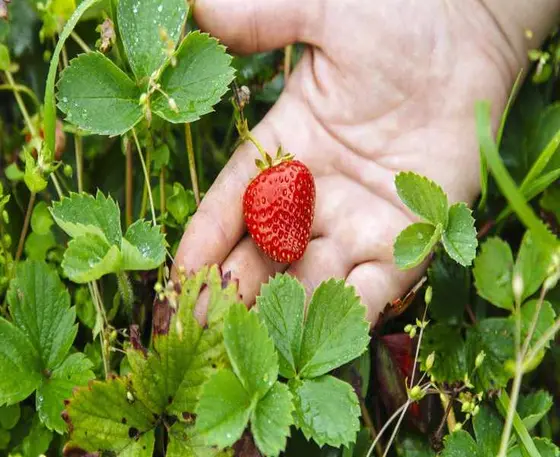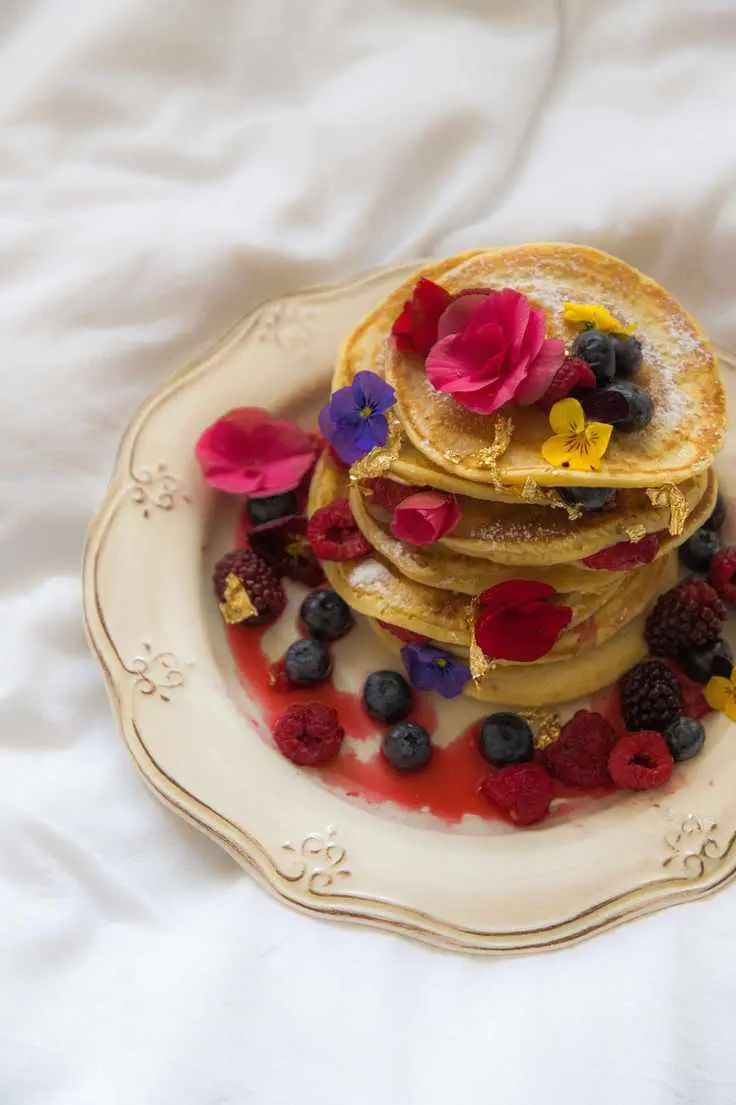
Edible flowers are taking center stage this summer, offering a delightful way to beautify gardens while spicing up meals. As we embrace outdoor living, these blooms not only enhance aesthetics but also add unique flavors to dishes.
See: Kitchen garden ideas - simple tips to begin
Sarah Raven, a well-known gardener and author, highlights edible flowers as this season's must-have trend. We're excited to incorporate her insights as we aim to impress guests with our homegrown delights.
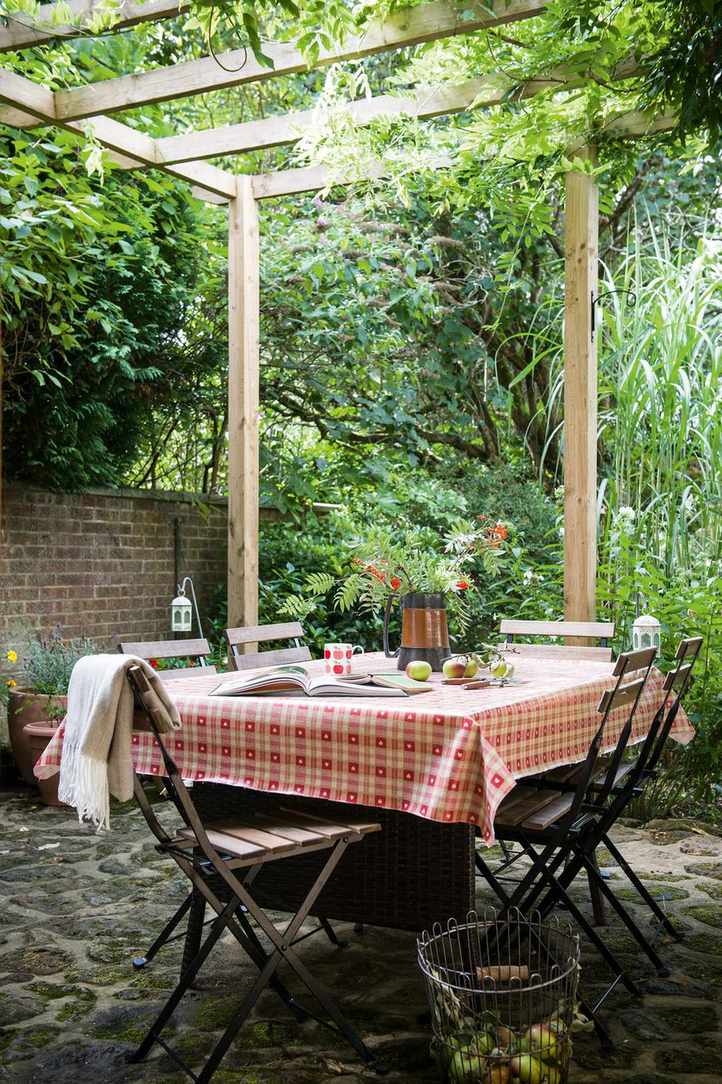
Why are edible flowers trending this season?
Edible flowers not only enhance our gardens visually, but they can also positively impact our mental and physical well-being. Sarah points out the joy of gardening and harvesting, which brings immediate satisfaction.
“I've always cherished gardening, especially for its yields. Whether it's flowers, herbs, or vegetables, harvesting is gratifying,” Sarah remarks. “We are increasingly mindful of how far our food travels and the flavors we seek, and gardening has proven benefits for our health.”
“Adding flowers to your meals introduces vibrant colors. Personally, I adore marigolds, violas, primroses, and nasturtiums for their beauty,” she adds. “Learning about the nutritional benefits of flowers reveals even more reasons to enjoy them.”
Which edible flowers should you consider?
Your selection of edible flowers depends on personal taste and seasonal availability. In her podcast, Grow, Cook, Eat, Arrange, Sarah and florist Arthur Parkinson discuss essential edible plants—sometimes called edimentals—and their culinary applications.
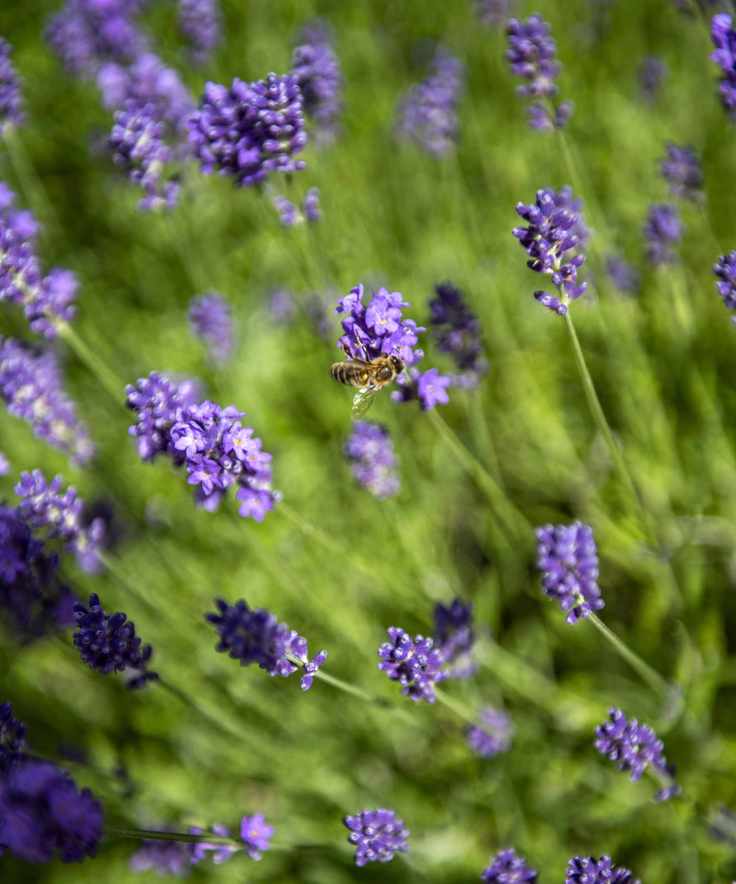
1. Lavender
Growing lavender offers numerous advantages, from promoting restful sleep to enhancing an immunity garden. It’s one of Sarah's favorite edible flowers.
“Lavender is familiar in baked goods, but it also adds a beautiful purple hue to summer dishes,” she shares.
2. Borage
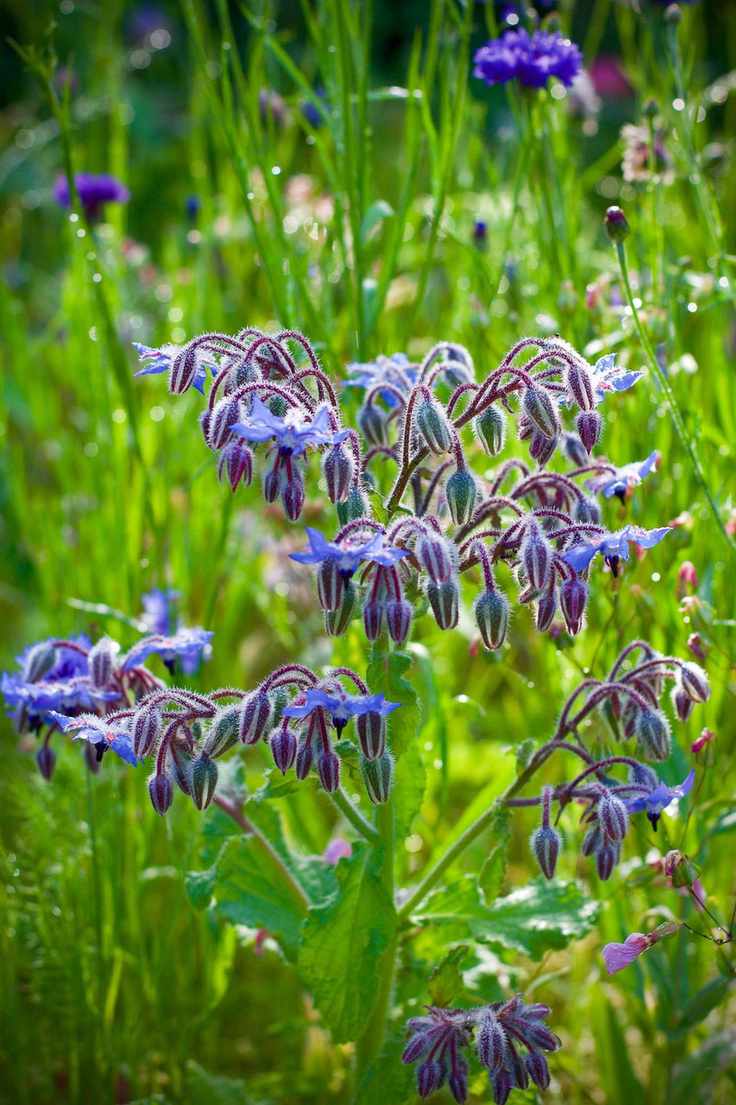
Borage, known for attracting bees with its star-shaped flowers, can enhance your culinary creations. The leaves are perfect for adding to pasta or cocktails, making them ideal for summer gatherings.
“I love freezing borage in ice cubes to add a splash of color to drinks,” Sarah says.
3. Elderflower
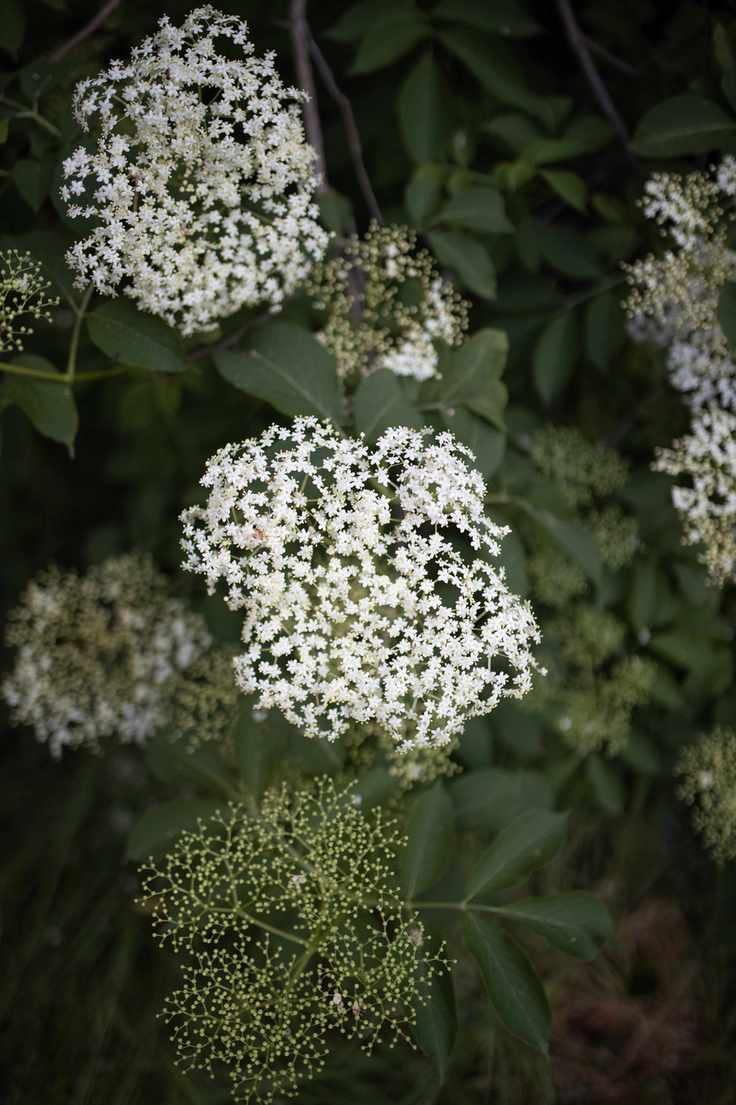
Elderflower stands out as a quintessential edible flower, known for its resilience and delightful flavor. It’s ideal for crafting homemade cordial, which Sarah describes as “a deliciously balanced drink that can be enjoyed year-round.”
4. Hibiscus
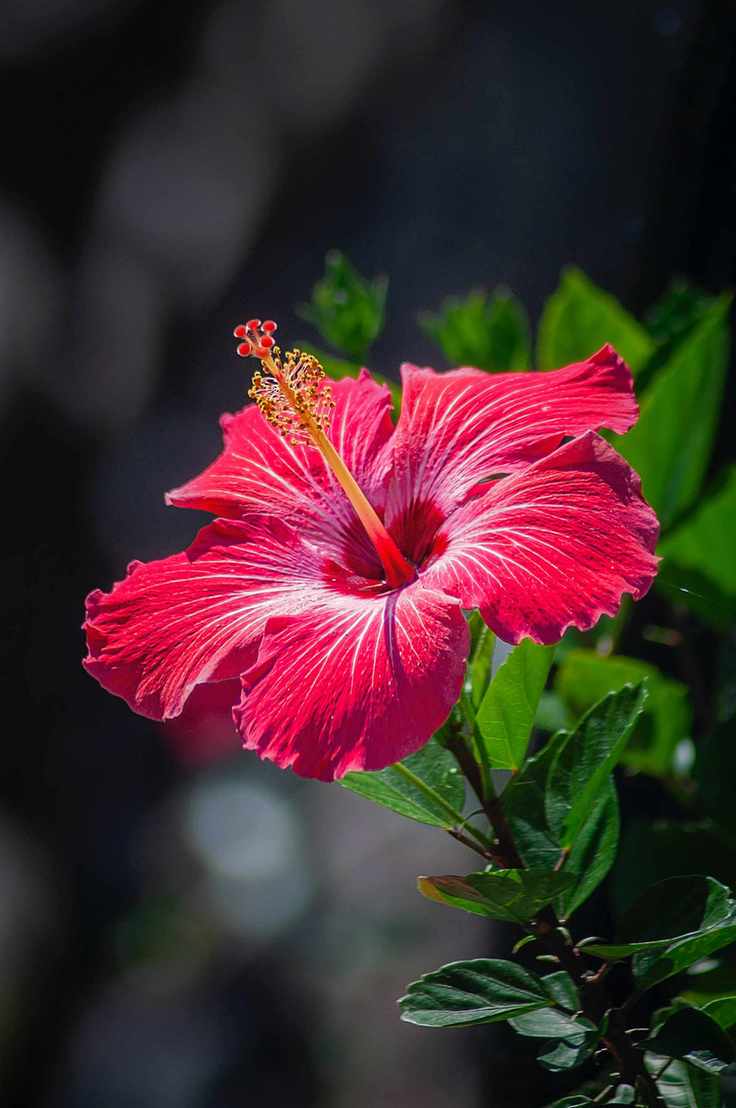
Gardening expert Ellen Mary encourages growing hibiscus for its exotic flair and taste. “Hibiscus thrives in sunny, well-drained spots. It can flourish in pots or raised beds and even indoors,” she explains.
“Hibiscus tea is fragrant, and the flowers are perfect for garnishing dishes, adding a tropical touch,” Ellen adds.
5. Sunflowers
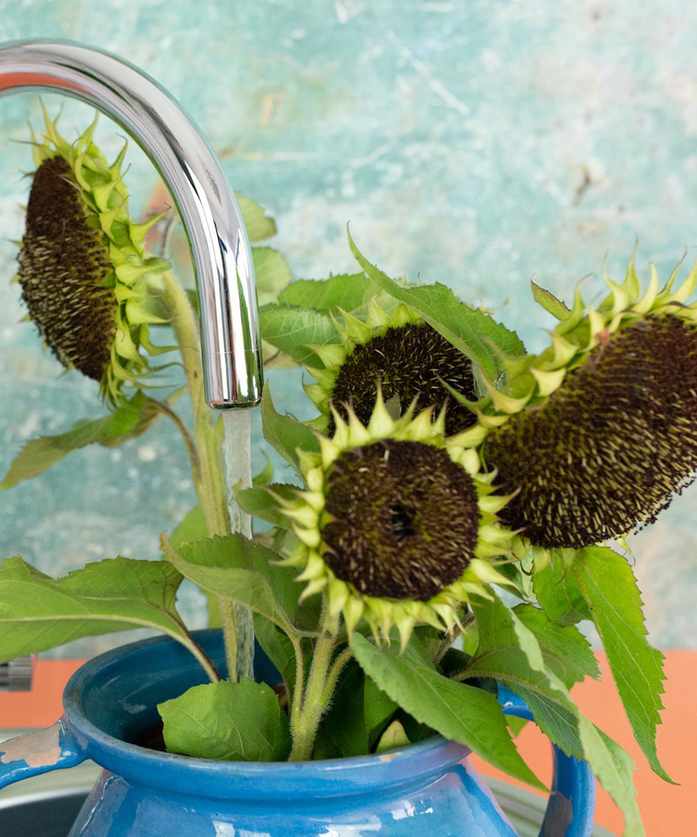
Don’t overlook sunflowers, as they bring warmth and color to any garden. See: How to grow sunflowers – a step-by-step guide
While often grown for seeds, sunflower buds and petals are also edible, making them a versatile choice for various dishes.
This trend not only beautifies gardens but also enhances our well-being and adds flair to cocktails. It’s about time we embraced it!
More edible flowers to explore
- Nasturtium is a popular spring flower known for its peppery taste and vibrant colors.
- Geraniums, especially scented types, can introduce spicy or citrus notes.
- Cornflowers add a clove-like flavor that pairs well with apples.
- Honeysuckle is excellent for teas, syrups, and desserts.
- Dahlia varieties range from spicy to mild but are visually stunning.
- Cape Jasmine lends itself to baking, preserves, and pickles.
- Magnolia is delightful in salads and can even be pickled.
- Roses are wonderful for jams, jellies, and as garnishes for drinks.
- Pansies are a charming addition to salads.
Can you purchase edible flowers?
Some grocery stores offer edible flowers specifically for culinary use. However, growing your own is often more fulfilling and cost-effective.
Which edible flowers to avoid?
Not every flower is safe to eat. It's essential to be cautious, particularly with:
Foraged flowers – avoid those near animal traffic or that appear dirty or discolored.
See: Small vegetable garden ideas – from layout designs to ideal crops
Flowers treated with pesticides – it’s best to stick with organic options. Always wash them thoroughly before consumption.