Grapes thrive in warm environments. They can be cultivated outdoors in warmer regions or within greenhouses in cooler climates.
Successful grape cultivation requires some expertise and patience, but the reward of harvesting plump, juicy grapes from your own vines is worth it. You can find plants at garden centers or start them from cuttings. While growing from seed is possible, it's not the standard method of propagation.
If you're considering adding grapes to your outdoor space, focus on a few key factors: selecting the right grape variety for your climate, proper setup, and understanding how to water, feed, train, and prune the vines.
Here’s a closer look at how to cultivate grapes and maintain your vines for a plentiful harvest each year.
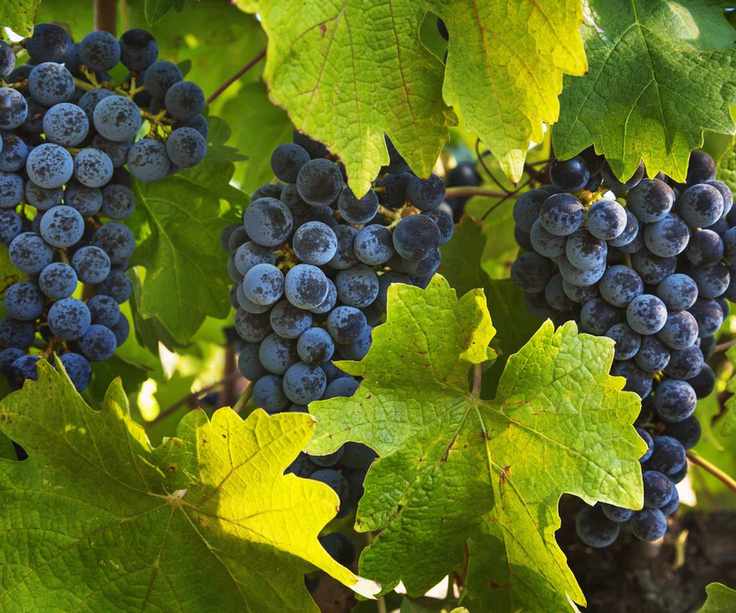
Grapes flourish in vineyards, but they can also thrive in backyards.
Growing Grapes at Home
Grapes come in various types, colors, and are categorized as either wine or table grapes. Each type has unique requirements for growth, so choose one that suits your climate and soil conditions.
Fortunately, many grape varieties adapt well to different climates, and most commercially available grapes are self-pollinating.
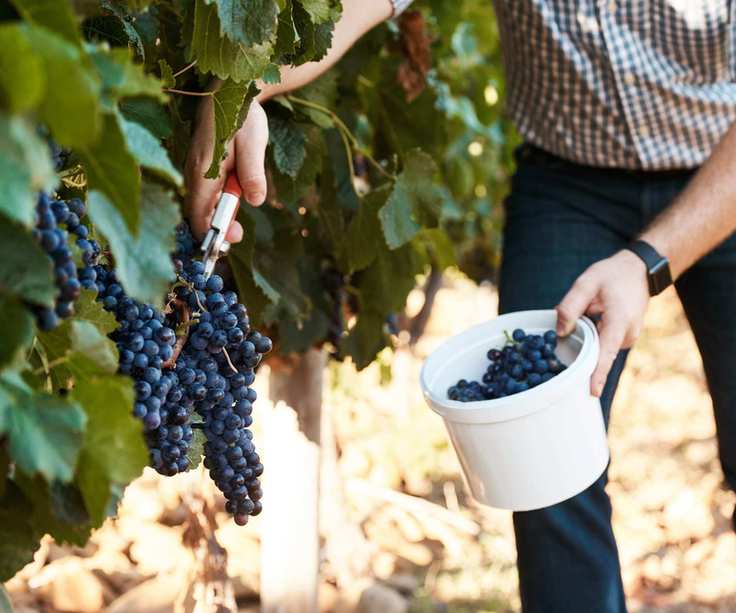
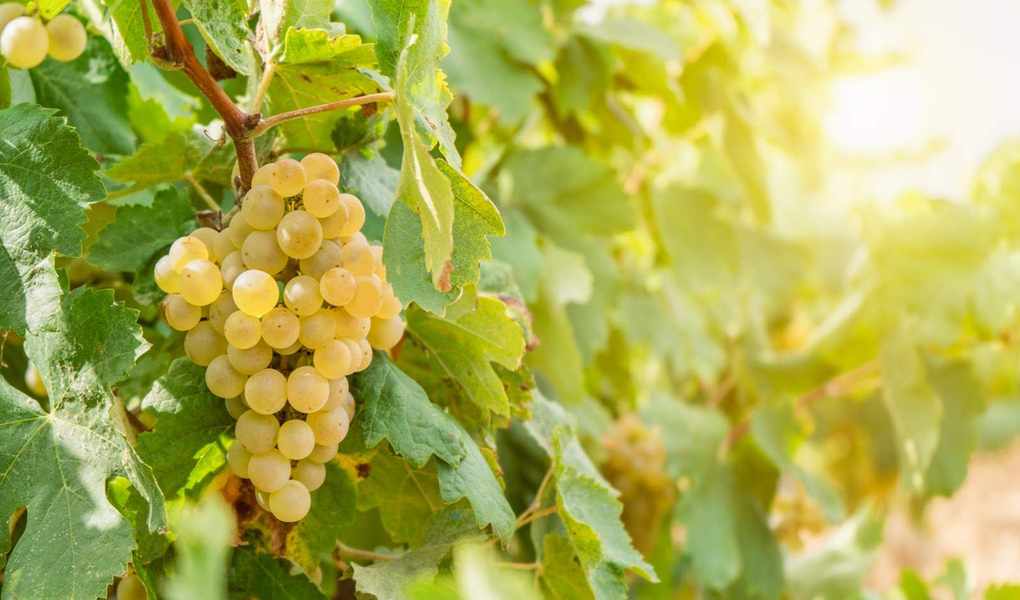
Grapes can be found in green, red, purple, and black hues.
Ideal Locations for Growing Grapes
Grapes require plenty of warmth and sunlight to produce a fruitful harvest. In warmer areas, vines can be planted directly outdoors; in cooler regions, they grow best in a greenhouse. Incorporating grapes into your greenhouse design allows them to benefit from the controlled warmth.
Choose a soil type that is rich and drains well. Adding organic matter like compost or well-decomposed manure enhances soil moisture retention and nutrient content, fostering healthy root systems.
These fast-growing vines require support to climb. They can be trained to grow up walls, fences, arches, or pergolas. Ensure the support structure is secure before planting to encourage proper growth and shape during the initial years.
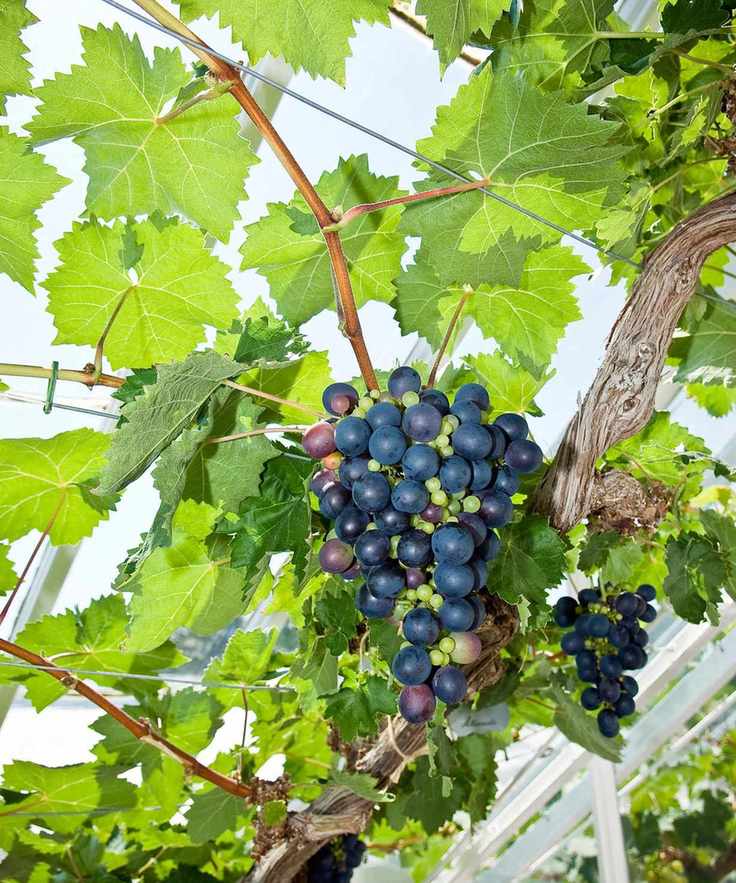
Greenhouses are a popular choice for growing grapes.
Propagating Grapes from Cuttings
You can propagate grape vines at home using hardwood or softwood cuttings. If you have a healthy existing vine, cuttings are an effective method for creating new plants.
Take hardwood cuttings in late fall or winter when the vine is dormant. Select healthy, pencil-thick vines from the previous year’s growth.
Cut sections of 14-16 inches and store them in a cool, non-freezing area until spring, when they can be planted in the ground or pots with compost. Soak the cuttings in water for a few hours before planting, ensuring that two-thirds remain below the soil level. Keep them moist for successful transplantation the following spring.
Softwood cuttings can be harvested in late spring or summer. Use sharp tools to snip healthy, non-flowering stems about four inches long. Remove the bottom leaves and place the cutting into a small pot filled with well-draining compost. Maintain moisture and warmth, ideally covering with a plastic bag or humidity dome. Consider humidity dome pots available on Amazon for optimal care of softwood cuttings.
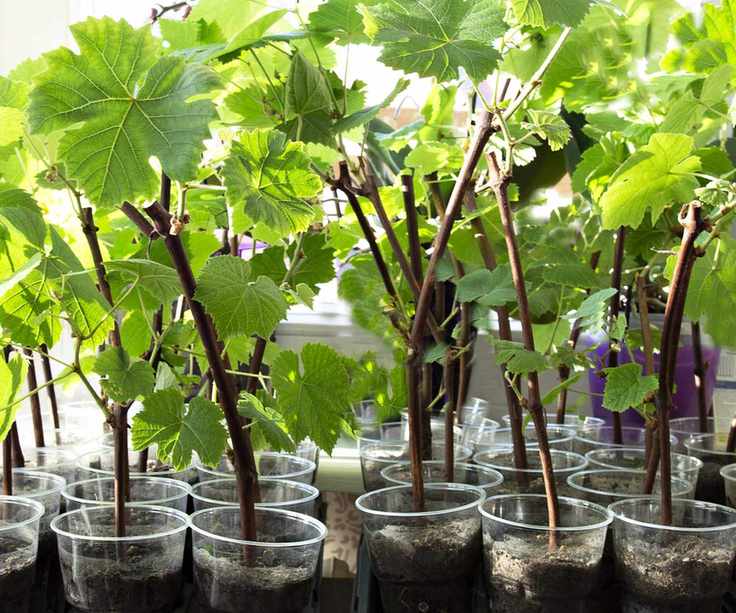
Cuttings can successfully produce new grape vines.
Growing Grapes from Seeds
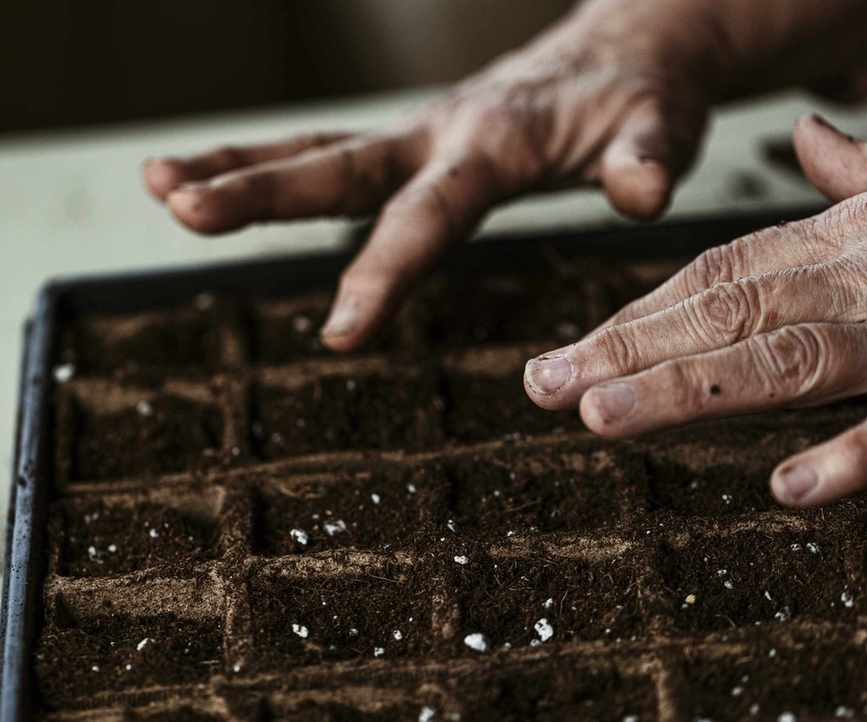
To start, extract seeds from ripe grapes and clean off the pulp. Stratify the seeds in the refrigerator for about three months to mimic winter conditions, encouraging growth.
“Plant the cooled seeds in small pots with a well-draining seed starting mix,” advises an expert. “Keep the soil slightly moist and warm, around 70°F, using a heat pad or a sunny area. Germination should take 2-4 weeks.”
Once seedlings develop two sets of true leaves, transplant them into larger pots. The young plants can be kept warm until they reach about 12 inches tall, at which point they can be moved to their permanent location.
Planting Grape Vines
Grape vines can be found at garden centers, typically grafted onto rootstock, available either as potted plants or bare-root. Potted vines can be purchased year-round, while bare-root varieties are usually available in fall through spring.
It's best to plant vines during their dormant phase, with early spring being ideal once the frost threat has passed. The timing may vary based on your hardiness zone and whether you're planting outdoors or in a greenhouse.
If using bare-root vines, soak the roots for 3-4 hours before planting, ensuring the lowest bud is just above the soil, and the first roots are just below. Grafted vines should have their graft point above the soil line.
Dig a generous hole to accommodate the roots, ensuring at least 6-10 feet spacing between vines depending on the variety, which can increase to 16 feet for muscadine grapes.
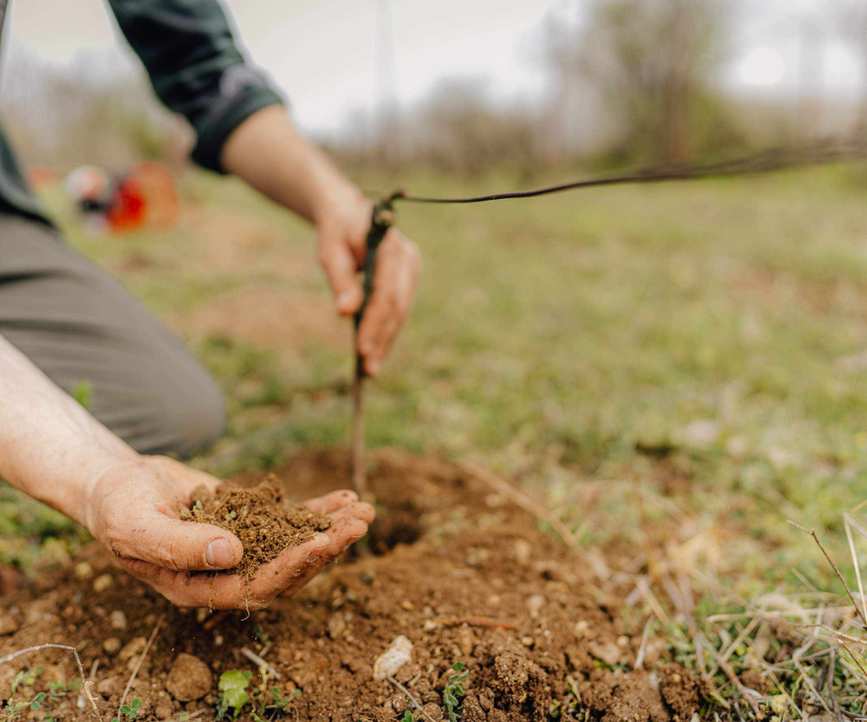
Plant grapes in nutrient-rich soil during spring.
Maintaining Your Grapes
Young grape vines need consistent watering. Although established vines can tolerate drought, even mature plants benefit from watering during dry spells. Vines in greenhouses or containers require more frequent watering than those grown outdoors. Always water at the base of the vines to prevent fungal issues.
In the first couple of years, apply organic mulch around the base to nourish the plants. Once mature, fertilize early each spring for optimal growth.
“Balanced fertilization during the growing season supports robust vine health,” says an expert. “Apply minimal fertilizer only when necessary to avoid overfeeding.” A slow-release fertilizer with high potassium content is recommended, such as All Purpose Plant Food available on Amazon.
Annual pruning is crucial for healthy, productive vines. Prune during dormancy to prevent sap bleeding and stress. Indoor vines are pruned in December or January, while outdoor varieties are pruned from January to March.
In the initial years, remove any blossoms to let the plant focus on establishing roots. Once the vine structure is established by the third year, allow a few clusters to develop.
For established vines, prune about 80% of growth yearly since grapes fruit on new shoots. Each winter or spring, cut shoots back to two or three buds. Pinch back new shoots during summer to concentrate energy on fewer, larger clusters.
Grapes ripen from late summer to fall, depending on the variety. Watch for color changes and sugar content to determine ripeness. Grapes are ready for harvest when they display their characteristic color. Carefully cut the clusters from the vine using sharp shears.

FAQs
Can you grow grapes from a grape?
It's possible to grow grapes from seeds, but success is unlikely as the new plant may not match the original quality. For the best results, propagate from cuttings of a preferred vine.
Avoid using store-bought grapes, as their variety may not be suitable for your climate, and results can vary.
How many grapes does one plant yield?
The yield depends on the grape variety, vine age, and growing conditions, but a healthy, established vine can produce between 10 to 20 pounds of grapes annually.
Growing vertical fruits like grape vines maximizes space on walls or fences, making it ideal for small backyard designs or compact gardens. Consider also training other fruits into forms such as espaliers or fans.