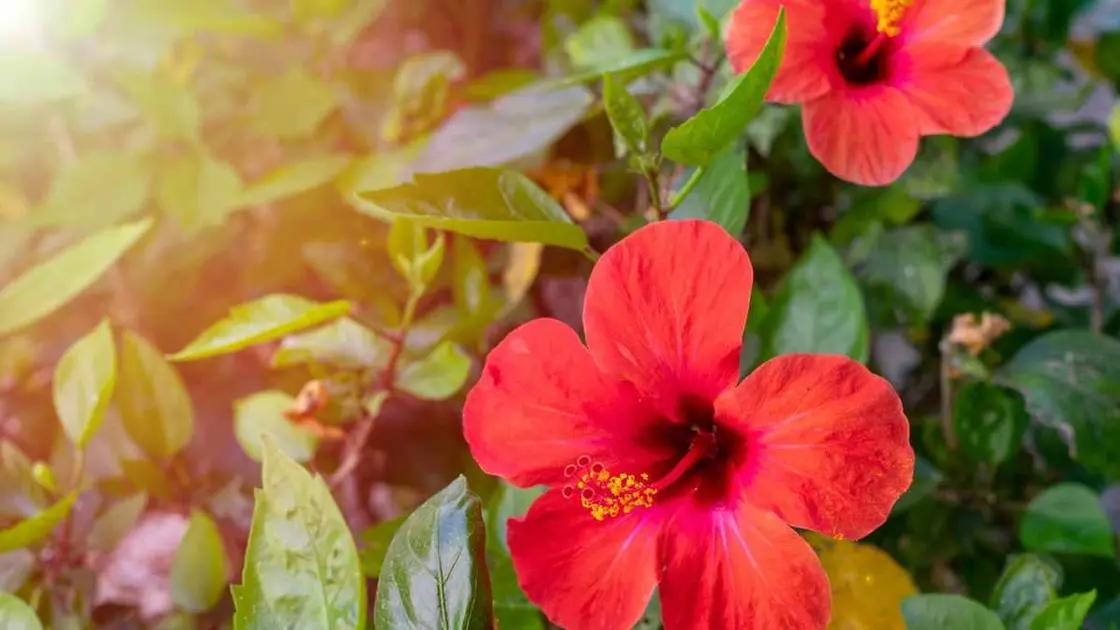
Hardy hibiscus features stunning blooms that can bring a tropical flair to any backyard. These tough and frost-resistant shrubs showcase a variety of colors, including deep reds, pure whites, bright yellows, and soft pinks.
Understanding the difference between hardy and tropical hibiscus is essential, as many tropical varieties cannot survive winter in central and northern regions outside of US hardiness zones 9 to 12.
In contrast, hardy hibiscus species, many of which are native to North America, can flourish in cooler climates, making them an excellent choice for adding tropical beauty to any garden.
For those looking to enhance their outdoor areas with vibrant and tropical aesthetics, growing hardy hibiscus in pots is a fantastic option. Container gardening is particularly beneficial for those with limited space, and it allows for the use of attractive pots that can be enjoyed from inside the home.
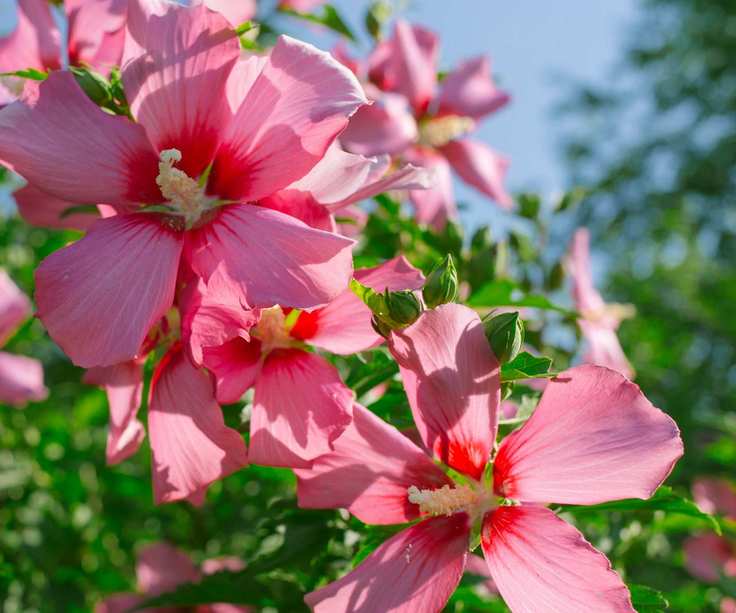
How to Grow Hardy Hibiscus in Containers
Hardy hibiscus make wonderful container plants, perfect for smaller yards or patios. By following our expert advice on growing hardy hibiscus in pots, you can enjoy a wealth of colorful blooms this season.
Key Considerations for Planting Hardy Hibiscus in Containers
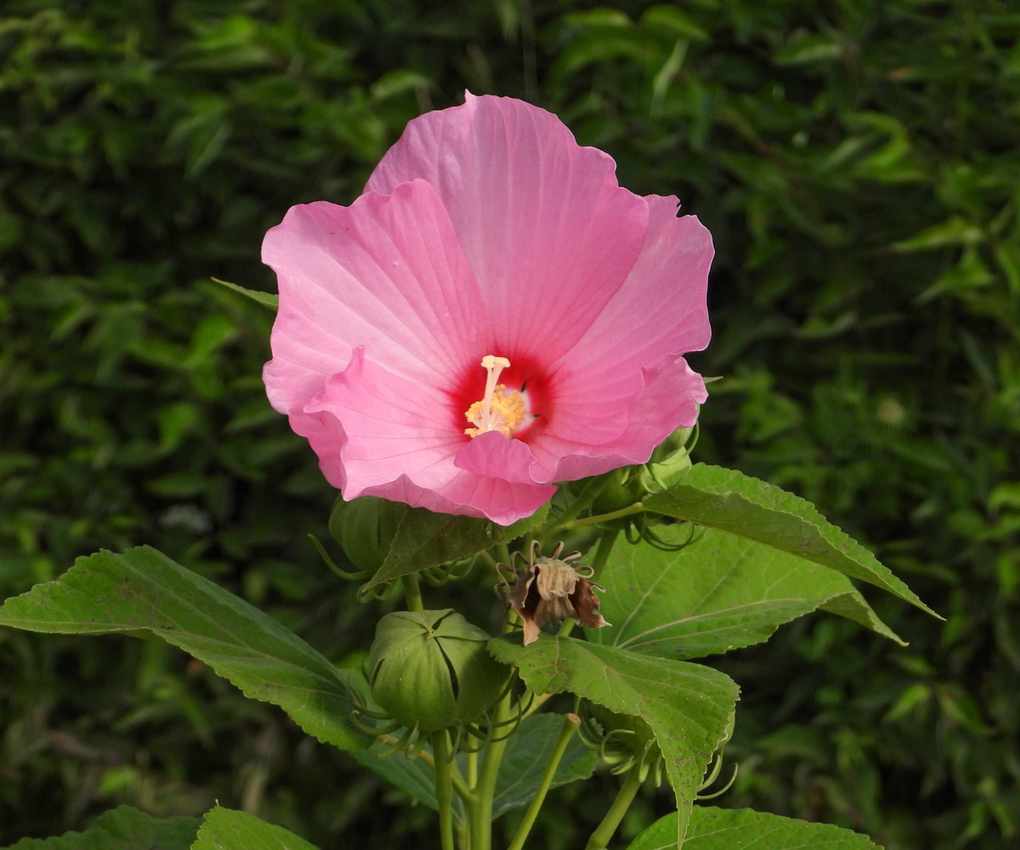
The term 'hardy hibiscus' or 'perennial hibiscus' typically refers to varieties of Hibiscus moscheutos that can endure colder temperatures during winter compared to many other hibiscus types. 'These hardy, perennial hibiscus shrubs thrive in US hardiness zones 4 to 9,' shares Tricia Hunt, a plant expert and owner of Millstone Nursery.
It's best to plant hardy hibiscus in the spring once the threat of frost has passed. While these plants are hardy, it's advisable to refrain from planting smaller shrubs when the weather and soil are still cold. If your spring weather is unpredictable, it's wise to wait a few weeks until conditions stabilize.
Various cultivars are available, boasting brilliant blooms, such as this Hibiscus moscheutos 'Midnight Marvel' from Garden Goods Direct with striking red flowers, or this Hibiscus moscheutos 'Kopper King' from Garden Goods Direct adorned with delicate pink petals that bloom in summer.
Hardy hibiscus shrubs are fast-growing, providing a spectacular display of color, unlike any other flowering plant,' states Tricia. Additionally, these hibiscus varieties attract pollinators and birds, including hummingbirds, says Tricia.
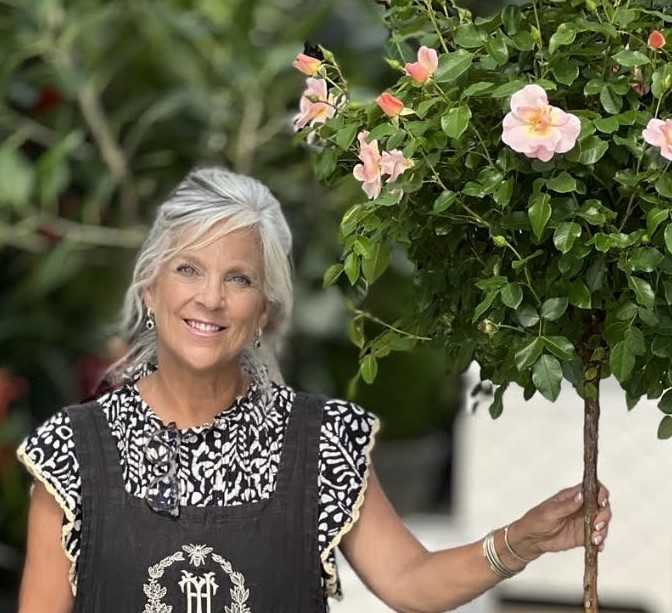
Tricia is the owner and operator of Millstone Market & Nursery, located in the heart of Germantown, Tennessee. Her commitment to excellent customer service has transformed her unique garden center into a popular destination.
Tips for Planting Hibiscus in Containers
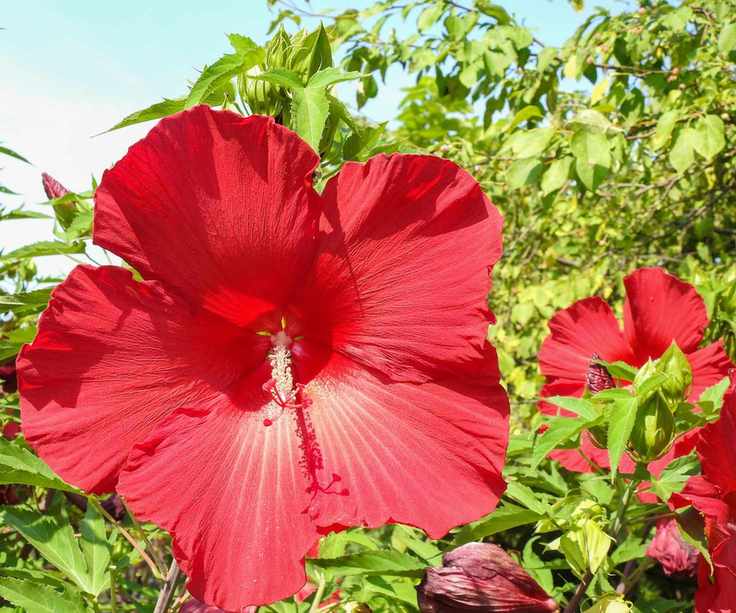
Once you've chosen your hardy hibiscus plant, consider its potential growth pattern. Select a container that accommodates the plant's needs. While hibiscus generally prefers somewhat limited root space, it's important to choose a container large enough to allow for growth.
When planting your hibiscus, 'choose well-draining soil that is slightly acidic and rich in organic matter,' advises Tatiana Anderson, a plant specialist and co-founder of Top Tropicals. 'A mix including ingredients like bark, coconut fiber, and perlite will create a nutritious, well-draining environment for your hibiscus shrub.'
Most hibiscus varieties 'thrive in containers,' Tatiana adds. 'Pots ranging from 3 to 7 gallons offer the advantage of easy mobility, allowing you to showcase certain blooming specimens at different times.'
Place your container in a sunny area in your backyard or near your front door, and enjoy watching your shrub flourish and bloom in the upcoming months. Regularly deadhead hibiscus flowers to extend the blooming season.

Tatiana Anderson is the co-owner and co-founder of Top Tropicals, located in Fort Myers, Florida, where they grow and sell a variety of flowering and fruiting tropical plants.
How to Maintain Your Hardy Hibiscus
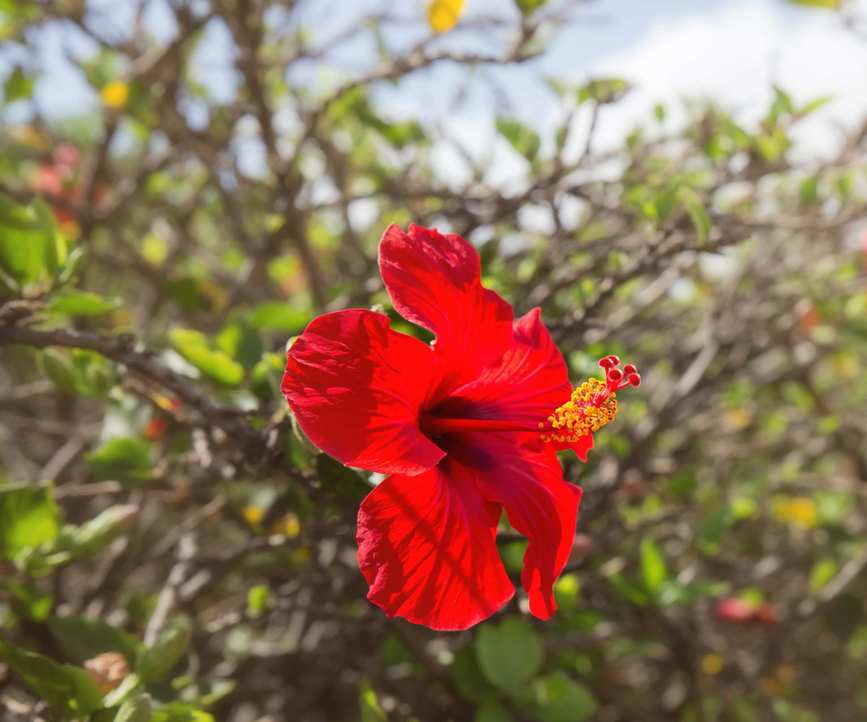
Hardy hibiscus can be quite thirsty, particularly in containers where they dry out quickly during warm spells. 'Finding the right balance is crucial,' Tatiana advises, 'ensuring consistent watering without letting the container sit in water.' Hibiscus does not thrive in waterlogged conditions, so proper drainage is essential, 'allowing your hibiscus to flourish under optimal circumstances.' Yellowing leaves can indicate over-watering, so be cautious.
As heavy feeders, hardy hibiscus grown in pots will benefit from fertilization during the active growing months in spring and summer. However, 'exercise caution to avoid over-fertilization with granular plant food,' Tatiana warns.
'Excessive fertilizer can build up in the soil, leading to unhealthy plants.' For best outcomes, always dilute your fertilizer according to the packaging instructions and apply with care. A phosphorus-rich fertilizer is recommended, such as this bone meal from Walmart.
As deciduous plants, hardy hibiscus will die back in winter. After cold temperatures and frost, the leaves will turn brown and die. However, you can prune your hibiscus using sharp, clean shears to prevent pest problems. Trim stems down to the ground before new growth emerges, typically in mid-winter. In spring, new shoots will appear, and soon your container will be brimming with blooms once more.
It's advisable to repot any container-grown hibiscus into a larger pot every three years to help the plant stay healthy and actively growing each year.
FAQs
When is the Best Time to Plant Hardy Hibiscus in Containers?
Protect your new hibiscus plant until it can be safely placed outside in a container in spring, once frost risk has passed. Although these plants are hardy, avoid moving young specimens outside during cold snaps, as frost or snowfall can cause serious harm. Planting in spring will give your new shrub the best chance to thrive.
Growing hardy hibiscus in containers can brighten any backyard or porch. Consider adding other vibrant blooms to your container garden, such as celosia, for even more color in your outdoor space.