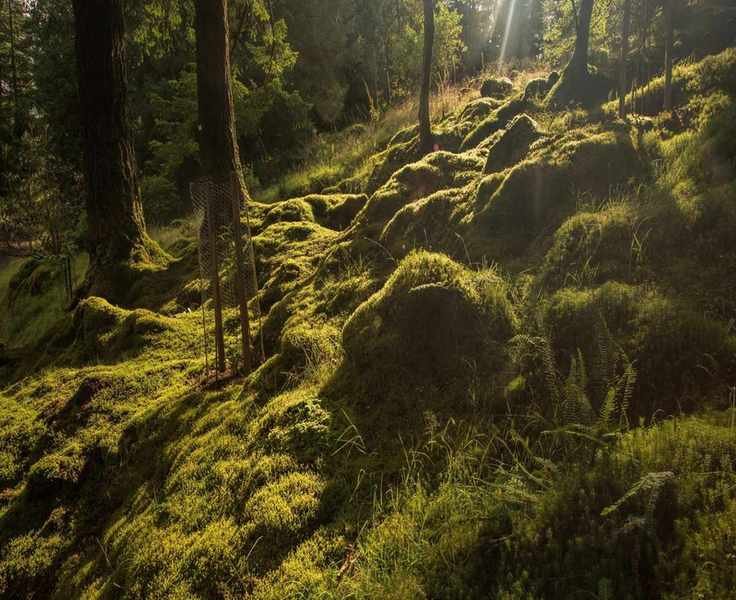
Moss is an incredible plant that thrives in conditions where most others struggle. It forms a vibrant green mat, making it an excellent ground cover for less-than-ideal areas in your yard. Typically, you'll find moss in moist, humid, and shaded spots like woodlands, where it carpets the forest floor and envelops roots and rocks.
There's something enchanting about moss. It appears fresh and lush yet carries an air of mystery, which is why many gardeners and landscape designers are starting to embrace its role in the backyard. This shift in perspective is reshaping how we incorporate moss into our landscaping.
Moss has unfairly earned a bad reputation, often seen as a nuisance in lawns or as a cover on roofs and paved surfaces. While it can be frustrating when it grows where it's not wanted, perhaps we can compromise by allowing some space for moss in areas where other plants can't thrive.
In my own shaded gardens, I've turned to moss instead of battling to grow grass beneath large trees. Embracing moss in your landscape can be a practical solution. Isn't it time we reconsidered its potential?
Growing Moss Successfully
If you're looking for effective ground cover, moss can transform dull areas into vibrant green retreats. It flourishes in humid, shady locations, quickly revitalizing dark corners.
Essential Facts About Moss
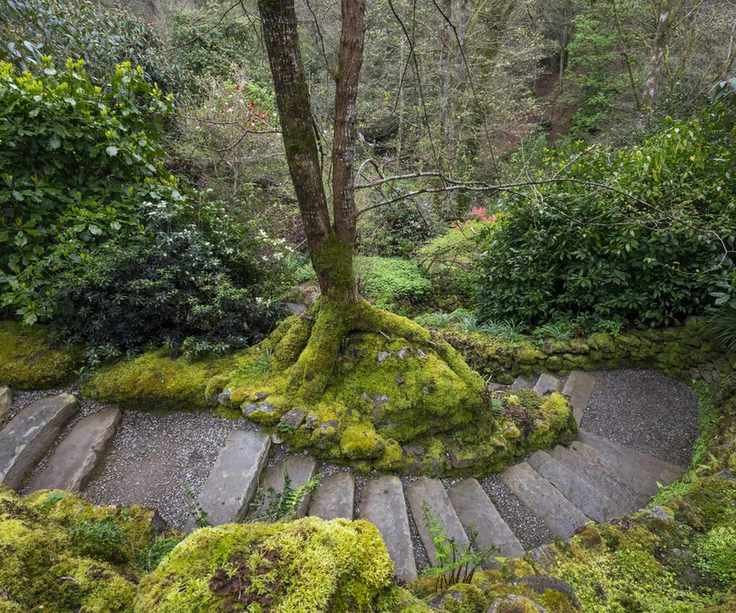
According to plant expert Tricia Hunt, 'Moss thrives in places where many plants falter.' With over 12,000 known varieties, you're sure to find one that suits your needs. While you might encounter 'sheet moss or mood moss' at garden centers, many other types are available. For instance, fern moss features delicate, fern-like leaves that look stunning when used to cover rocks or line pathways.
Most moss varieties favor moist and shaded conditions, flourishing in areas with high humidity. Natural moss typically grows in forests where sunlight is limited and moisture is abundant. By recreating these conditions, such as planting under trees in your yard, you can help moss thrive. Tricia mentions that 'moss requires minimal maintenance and remains green year-round.'
It's easy to care for, but dry and sunny conditions can quickly damage moss, turning it brown and lifeless.
Tricia warns against direct sunlight, stating, 'Moss is a shallow plant, and exposure to direct sunlight can dry it out and kill it.' Unlike traditional plants, moss lacks roots; instead, it uses small hair-like rhizoids to anchor itself while absorbing moisture from rain and humidity. This is why direct sunlight can be so harmful.
Here are some tips for planting moss:
- Soil: Moss prefers slightly acidic soil, common in woodland areas. If you're unsure about your soil's pH, consider using a device like this soil meter from Walmart. To enhance acidity, you might use products like this soil acidifier from Garden Goods Direct. Spring is the ideal time to plant moss, allowing it to establish before the summer heat.
- Light: Most moss varieties thrive in partial to full shade. While some can tolerate limited sunlight, 'no type of moss thrives in full sun,' warns Tricia. 'Sun exposure leads to browning.'
- Watering: 'Finding the right balance of moisture and humidity is key,' Tricia explains. Moss prefers damp, humid environments, so watering after planting is crucial for establishment. She suggests using rainwater, as treated water may contain chlorine, which moss dislikes. Using a rain barrel from Walmart can be a sustainable option for watering.
- Fertilizing: 'Moss doesn't need fertilization,' Tricia says. 'If you plant it in the right spot, it will thrive on its own.'
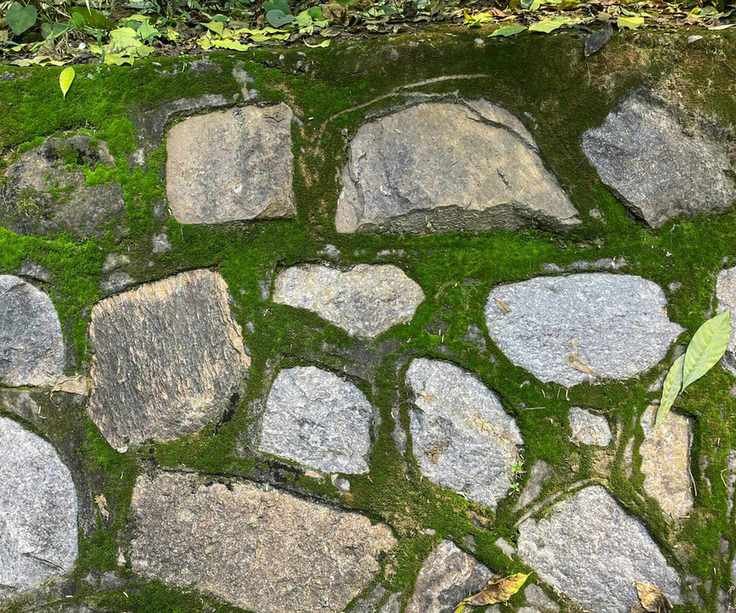
- Additional notes: If you're planting moss on walls or rocks, consider making a moss paste with natural yogurt and chopped moss. This paste can be applied to the surfaces, encouraging moss growth.
Incorporating Moss in Your Outdoor Space
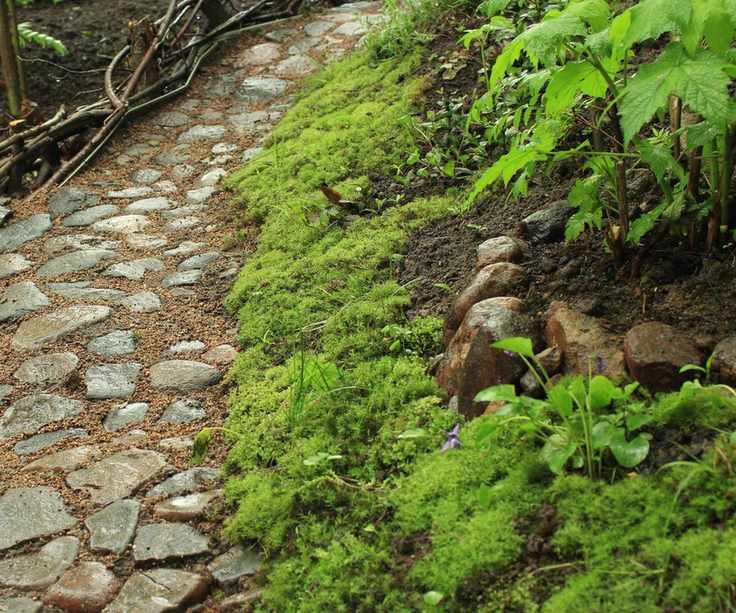
Landscape designers appreciate moss for its flexibility and visual charm. Even in compact areas, moss can provide 'soft texture and natural ground cover beneath trees and in shaded spots,' according to Rachel Bull, a gardening expert.
Rachel adds, 'Moss has a magical quality, softening the hard edges of landscaping elements and creating a serene atmosphere in gardens.'
Its resilience makes moss adaptable across various garden styles, from Japanese gardens, where it can form small mounds under large trees, to English woodland gardens, where it pairs beautifully with ferns and native shrubs.
Common Questions
What is the best time to plant moss?
Spring is the ideal season for planting or propagating moss, providing ample time for young plants to establish before summer's heat. Though moss benefits from shade, new plants will thrive better with time to settle before temperatures rise.
Is it okay to walk on moss?
Most moss types can endure light foot traffic, but excessive weight can harm them. Consider adding stepping stones within moss areas to guide visitors through your garden without damaging the moss.
Moss is an underappreciated plant that brings a touch of greenery to challenging, shaded spots. As mentioned, moss plays a significant role in Japanese garden design, enhancing any setting while creating a peaceful retreat. You can also grow moss indoors for a unique take on indoor gardening.