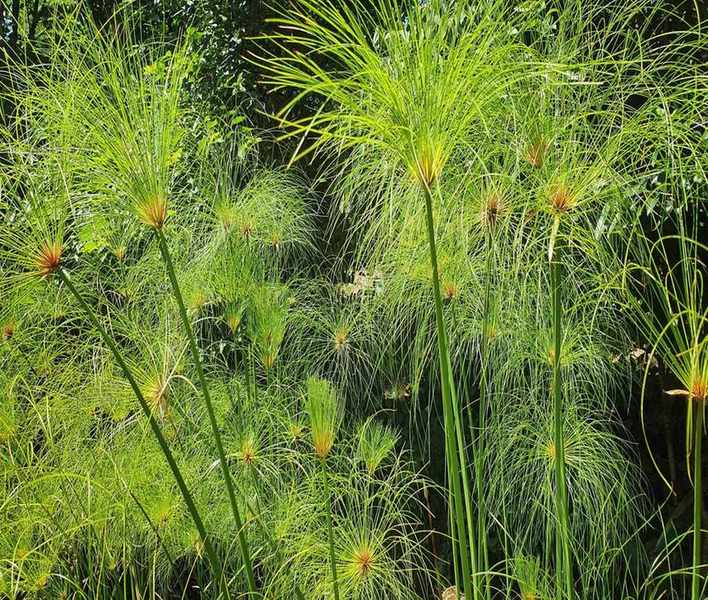
Papyrus (Cyperus papyrus) is a magnificent aquatic plant known for its towering, umbrella-like foliage. With a captivating history, it can be a stunning feature in your garden, but it has specific cultivation requirements.
This plant flourishes in moist conditions and prefers to be near standing water, making it perfect for placement at the edges of shallow ponds or as part of a water garden. When provided with the right moisture levels, papyrus is relatively effortless to cultivate and can put on a remarkable display.
For those with ponds, water gardens, rain gardens, or even damp corners of their yards, papyrus offers an opportunity to enjoy its swift growth and striking appearance. Below, we discuss the best practices for growing papyrus outdoors and how to care for it.
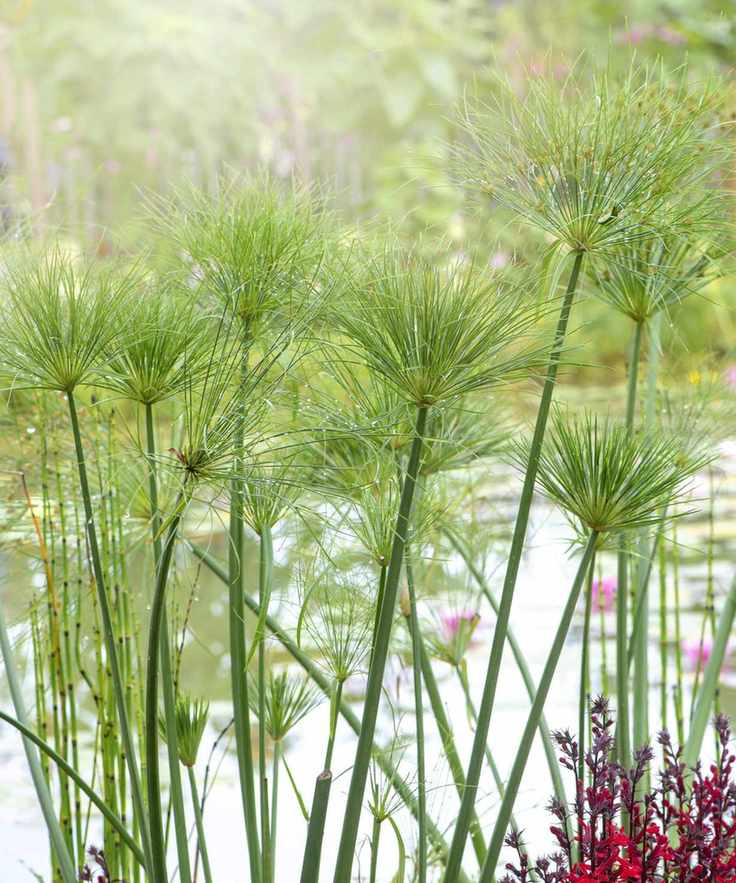
Planting Papyrus
This African native thrives in warm, wet environments and has a rich history linked to its use as paper, especially along the Nile in Egypt. It has also been utilized for food and weaving for centuries.
Papyrus is a heat-loving perennial in US hardiness zones 9-12. Due to its rapid growth, it can also be treated as an annual in cooler areas.
As a member of the sedge family, papyrus is cultivated for its tall green stems, which can grow as high as 16 feet in their natural habitat. These triangular stems emerge from rhizomes and are crowned with tufted foliage.
In residential gardens, papyrus typically reaches heights of 6-8 feet. Compact varieties exist, growing to 3-6 feet, making them suitable for smaller spaces or container gardening.
However, be cautious: papyrus can be invasive in Florida and other southern regions of the U.S., spreading through seeds and potentially threatening local flora in wet areas. Always check local guidelines regarding its cultivation before adding it to your landscape.
Planting Guidelines for Papyrus

Papyrus requires consistently moist conditions to thrive, traditionally found along riverbanks, wetlands, or in shallow lakes.
To recreate these conditions, plant papyrus at the edge of a pond or within a water or rain garden designed to retain excess moisture.
While papyrus prefers to have its roots submerged, they should not be fully underwater. It's best to keep roots in water up to one foot deep.
In addition to standing water, papyrus can also thrive in wet soil, allowing it to add visual interest to areas of the garden where other plants may struggle.
Containers are another option for growing papyrus, but they will require regular watering to keep the soil adequately moist. Alternatively, you can place the containers in a water source, and later move them indoors to a greenhouse during winter.
Light conditions are also essential; papyrus prefers bright light, especially in warmer hardiness zones where soil can dry out due to summer heat.
'Papyrus thrives in full sun to partial shade, but some protection during the hottest part of the day is beneficial,' advises an expert. 'It prefers rich, consistently moist soil with a pH that ranges from slightly acidic to slightly alkaline.'
In spring, after the last frost, plant rhizomes about three feet deep in the soil. This method is the most common for cultivating papyrus, though seeds can also be started indoors in early spring.

As a passionate plant collector, Jessica Mercer enjoys exploring various plant species and their care requirements.
'Prince Tut' Dwarf Egyptian Papyrus grows 2-3 feet tall and wide, thriving as a perennial in zones 10-11 or as an annual in cooler regions.
Caring for Papyrus Plants
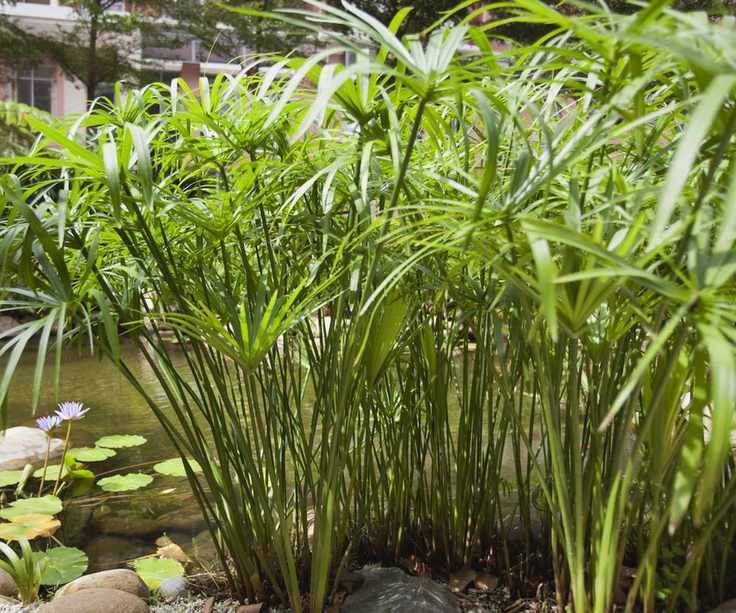
- Watering - Regular watering is crucial unless grown in consistently moist environments. 'If it's not submerged, daily watering is necessary to keep the soil saturated,' warns an expert. 'Letting it dry out can stress the plant and lead to browning stems.'
- Feeding - Papyrus typically doesn't need extra fertilizer if planted in fertile soil. If soil is poor, apply a balanced organic fertilizer to support its growth. Container plants may benefit from a specialized water garden fertilizer.
- Pruning - Prune papyrus mainly for aesthetic reasons. If stems turn brown, cut them back to their base to encourage new growth. In regions where papyrus is perennial, cut back to ground level in fall or early spring for optimal health.
- Propagation - For perennial papyrus, division in spring is an effective way to create new plants. Carefully separate a healthy clump into sections, ensuring each has viable rhizomes, and replant promptly.
- Overwintering - Papyrus can only survive outdoors in areas where winter temperatures remain above 35-40°F, typically in USDA Zones 9–12. If winter temperatures drop, indoor overwintering is possible, but requires proper conditions. 'It needs bright light and warmth to thrive indoors,' cautions an expert. A heated greenhouse with grow lights is ideal, along with regular deep watering.
Common Questions
Does papyrus return every year?
Papyrus is perennial and can thrive outdoors in warmer climates of US hardiness zone 9 and higher. It is frost-sensitive and can be brought indoors for winter, although growth may slow until it is moved back outside in spring.
Why are my papyrus leaves yellowing?
Yellow leaves indicate stress, which may arise from nutrient deficiencies, lack of water, or extreme temperatures. Ensure the soil remains consistently moist, as dryness can lead to yellowing and eventual browning of stems. If exposed to severe heat or cold, consider relocating the plant. Fertilizing with a balanced nutrient source can also help.
Including oxygenating plants in your backyard pond is beneficial for maintaining soil oxygen levels and filtering impurities. Check out our guide on the best oxygenating pond plants for inspiration on enhancing water quality and supporting wildlife.