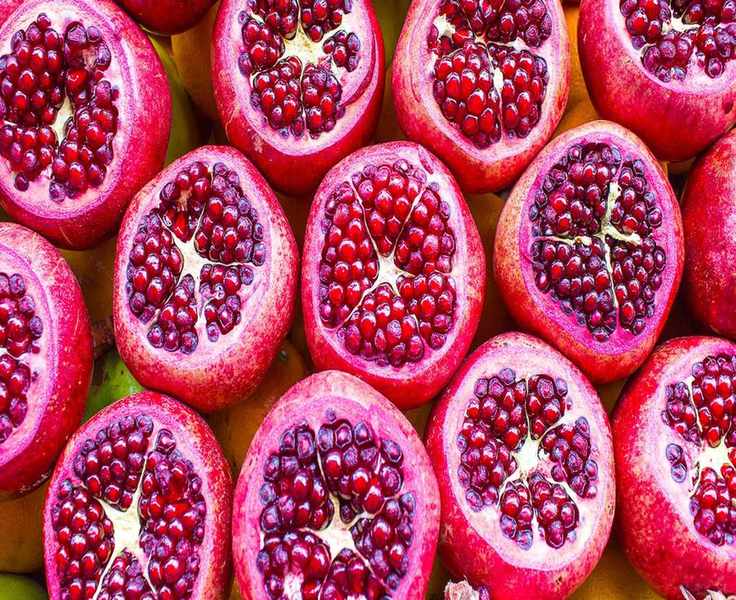
When it comes to growing pomegranates, patience is essential. These striking fruits, with their jewel-like appearance, require time to flourish. Renowned for their health benefits, pomegranates are not only delicious but also resilient and drought-tolerant. So, whether you're adding them to salads or growing them as ornamental shrubs, take your time and enjoy the process.
Pomegranate seeds (Punica granatum) offer delightful surprises beyond their juicy bounty. These sun-loving plants are visually stunning, showcasing vibrant flowers and glossy leaves that transition from copper to green and gold. Their rich blossoms attract hummingbirds, adding to their charm.
Dubbed a 'superfruit,' a single pomegranate contains over three times the antioxidants of a glass of red wine. With heart-healthy properties, they help lower blood pressure, combat inflammation, and even boost memory. Take the plunge into growing these exceptional fruits; you won't regret it!
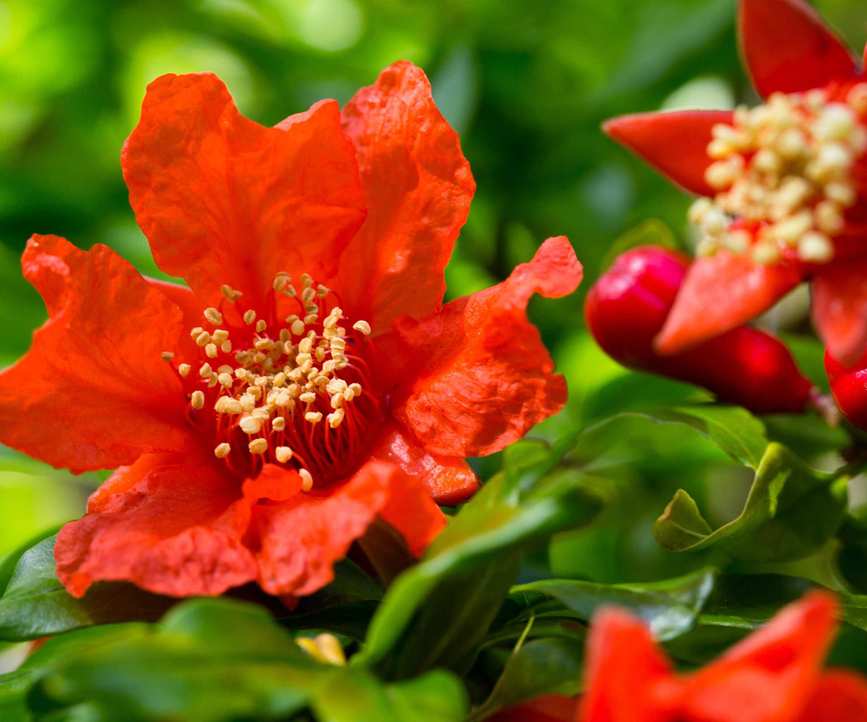
Beyond their fruits, pomegranate trees are visually captivating.
Optimal Growing Conditions for Pomegranates
Originating from the ancient gardens of Persia, pomegranates thrive in sunny climates. If you're seeking plants for a Mediterranean garden or a unique border near a wall, pomegranates are an excellent choice. They flourish in well-draining loamy soils with a slightly acidic to neutral pH (5-7). Avoid overly saturated or heavy soils, as these can hinder root development. Test your soil before planting and make necessary adjustments with compost or sulfur-based granules.
Assess your space to determine whether you prefer dwarf or standard varieties; dwarf shrubs typically grow 3-4ft, while standard trees can reach 16-30ft. Choose a location that receives at least six hours of sunlight daily, with south, west, or east-facing gardens being ideal.
- Purchase pomegranate plants from Etsy
- Purchase pomegranate plants from Fast Growing Trees
- Purchase pomegranate plants from Nature Hills
- Purchase pomegranate plants from Walmart
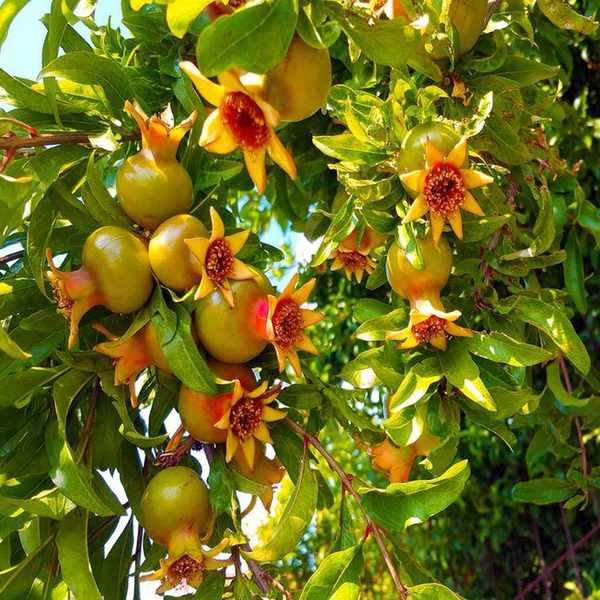
Ensure ample sunlight for healthy fruit development.
When and How to Plant Pomegranates
Pomegranates can be grown as trees or shrubs, depending on your space and variety. Planting times are crucial; they thrive in USDA hardiness zones 7-11. Spring is ideal after the last frost or fall, six weeks before winter's first frost, allowing the plant to settle in.
If planting in fall, protect young trees from frost, as temperatures below 12˚F can damage them. Consider mulching at the base to shield against temperature fluctuations, and use burlap or horticultural fleece for additional protection. Some varieties, like the cold-hardy 'Cold-Hardy Red', are excellent for cooler climates.
For container planting, select smaller or dwarf varieties, allowing flexibility in location. This method is ideal for colder areas, enabling you to bring plants indoors during winter.
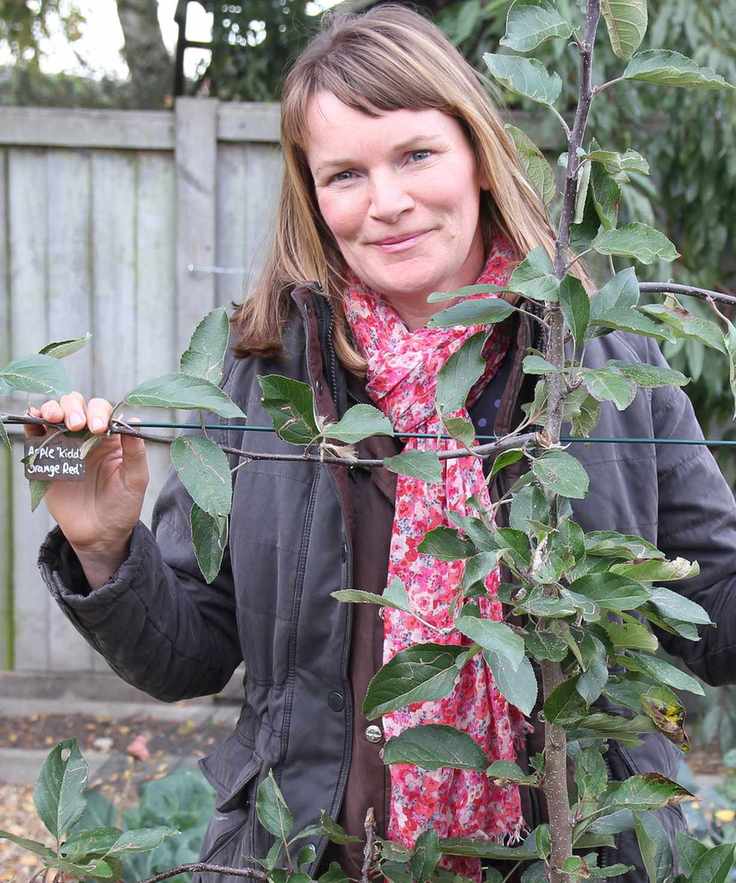
A horticultural advisor with extensive experience, Lucy specializes in growing pomegranates and shares her expertise on fruit cultivation.
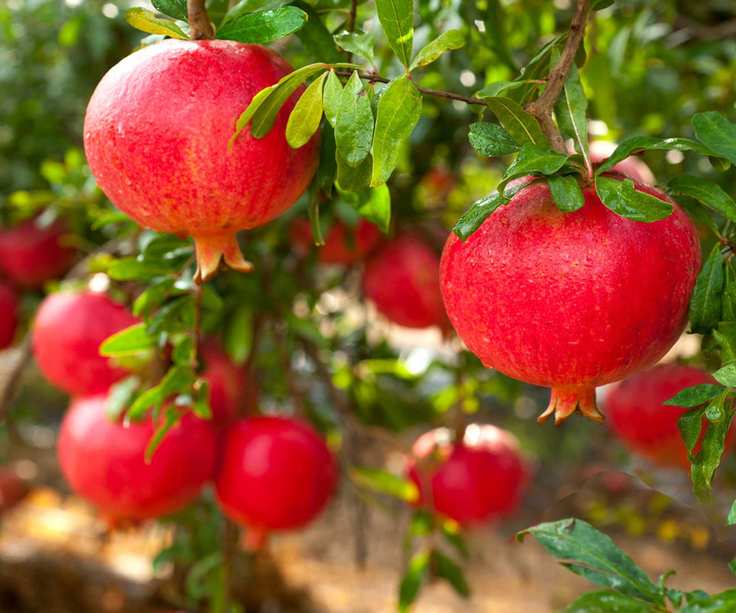
Long, hot summers are essential for flavor development.
Steps to Plant Pomegranates
Ensure there's no frost risk before planting. Testing soil conditions is crucial; poor soil can be improved with compost or organic material.
Follow these steps for planting:
- Dig a hole double the width of the root ball and deep enough for it.
- Gently remove the tree from its pot, loosening the feeder roots.
- Position the tree in the hole, ensuring the soil line is level.
- Backfill the hole and firm the soil around the roots. Water well and apply a light mulch.
- Space multiple trees 18ft apart, or 6-9ft for dwarf shrubs.
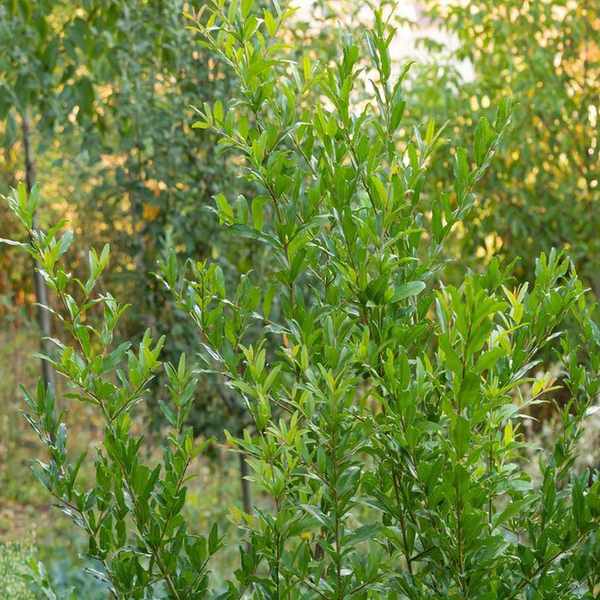
Allow adequate space for growth.
Container Growing Tips
Container growing offers flexibility, especially for smaller varieties. Choose a pot with adequate drainage and ensure they receive plenty of sunlight. During summer, keep them outdoors, then move them indoors during winter months.
Dwarf 'Nana' is a popular choice for pots, while 'Provence' is a cold-hardy option for larger containers. Maintain consistent watering, especially for newly planted pots, to prevent waterlogging or dryness.
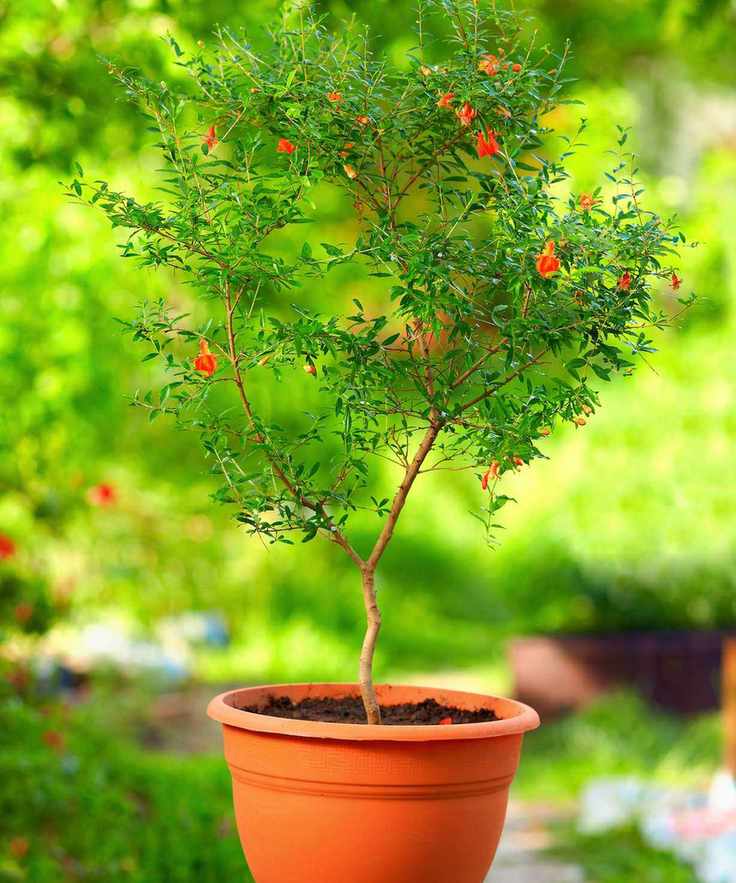
Container pomegranates thrive in sunlight and warmth.
Pomegranate Care Guidelines
Once planted, pomegranates require sunlight, water, and warmth. Young trees need more frequent watering as they focus on root development. Allow soil to dry out between waterings. Test moisture levels before watering to avoid overwatering.
Apply a high-quality organic fertilizer in spring to support growth. Once established, reduce feedings; a topdressing of compost in winter helps rejuvenate the plant for the next growing season. Prune lightly in late winter to encourage new growth and fruit production.
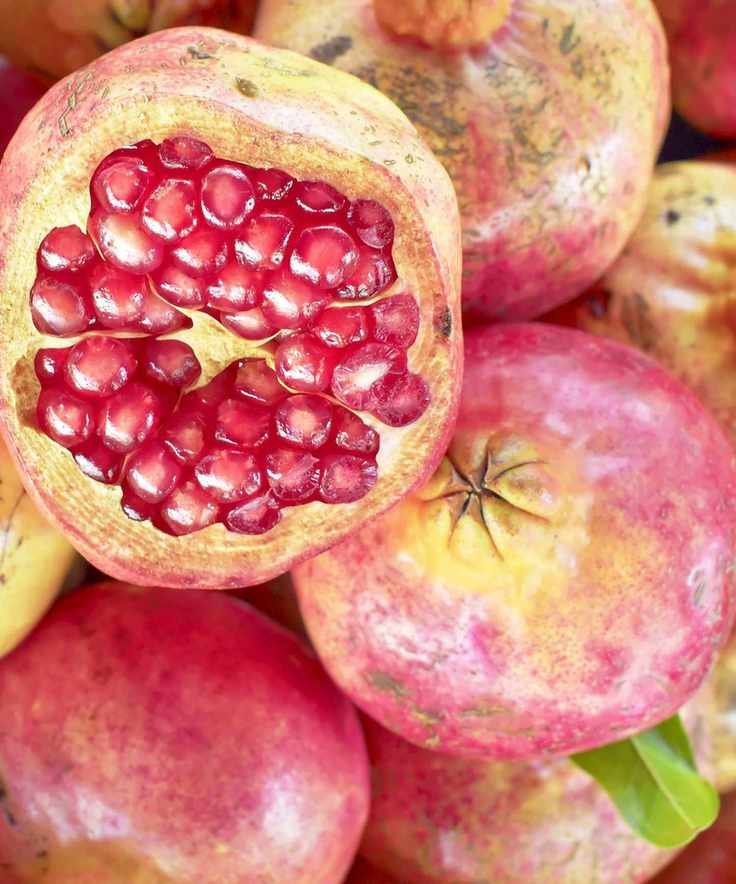
A proper watering schedule ensures juicy fruits.
Challenges in Growing Pomegranates
Pomegranates are generally resilient against pests and diseases. Leaf spot can be managed with copper fungicide, while overwatering may lead to fruit rot. Ensure good soil drainage and monitor moisture levels to prevent yellowing leaves from underwatering.
Aphids can affect leaves; promote natural predators like ladybugs by planting companion plants like dill. Good pruning practices help mitigate pest issues. Protect your fruits from birds with netting to prevent loss.
'Splitting' can occur when fruits overwater or suffer from irregular watering. Maintain consistent moisture and avoid excessive watering to prevent this issue.
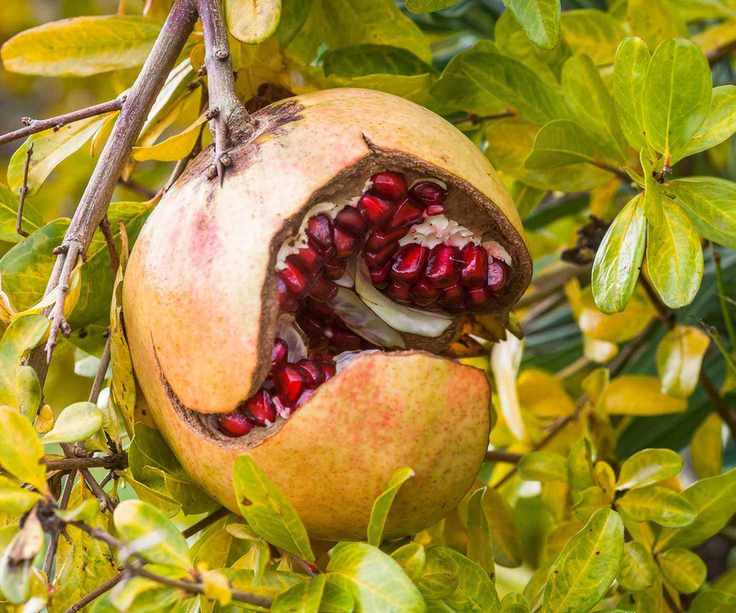
'Splitting' can occur due to watering neglect.
Harvesting Pomegranates
Patience is key when harvesting pomegranates. Expect the first flowers after a few years, with fruits maturing four to five months later. Established trees yield consistent fall harvests (September-October). Monitor fruit appearance; when they lose gloss and become duller, they're ready to pick.
To harvest, use sterile pruners to cut the fruit at the stem. Pomegranates last for a couple of weeks at room temperature and can be refrigerated for over a month.
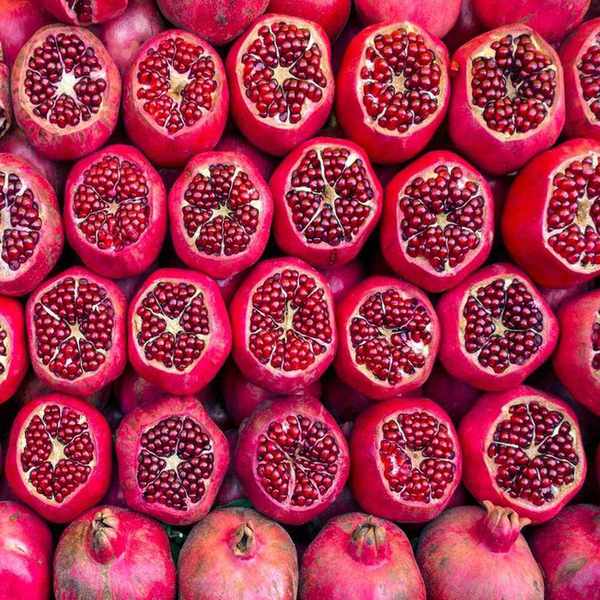
Harvested fruits change color and shape when ripe.
FAQs
Can you propagate pomegranates from cuttings?
Yes, taking hardwood cuttings during dormancy (late winter) increases your chances of success. Cuttings should be about 8-10 inches long. After dipping them in rooting hormone, place in moist, well-draining compost to root.
Why might my pomegranates not produce fruit?
Pomegranates can take a year or more to establish and may take an average of three years to bear fruit. Ensure you're growing a cropping variety, monitor feeding and watering, and provide plenty of sunlight.
How should I prune pomegranates?
Pruning should focus on removing suckers and dead branches to direct energy towards fruit production. Thinning out fruit during harvest season can enhance size and prevent branch stress.