
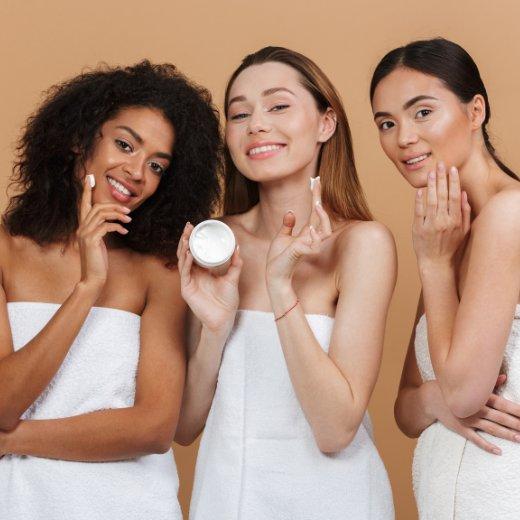
In our diverse communities, we see a vibrant array of skin colors, yet many cosmetic products are still crafted primarily for lighter skin tones. This issue isn't confined to makeup; it extends to essentials like undergarments, shapewear, and even bandages. Thankfully, a wider selection of products catering to all skin tones is emerging.
This raises an essential question: does your skin color influence your skincare requirements? The answer is yes, and it's crucial to explore how.
Understanding Skin Color vs. Ethnicity
It's vital to recognize that your skin's needs generally relate more to your skin tone than your ethnicity. Individuals from the same ethnic group can have various skin colors, while those from different backgrounds might share similar skin tones.
When discussing skincare, focus on your skin type according to the Fitzpatrick scale, which ranges from type 1 (very fair skin that burns easily) to type 6 (deeply pigmented skin that rarely burns).
How Skin Color Affects Skincare
While everyone needs hydration and nourishment, the way skin care is tailored can vary based on skin color. Here are some key differences to consider.
Sun Protection
Have you ever noticed your skin darkening after sun exposure? This is due to the pigment produced as a defense against damage. Naturally, those with more pigment are less prone to sun damage.
Regardless of your skin tone, sunscreen is a daily necessity. Lighter skin requires extra precautions like wide-brimmed hats and sunglasses and limiting sun exposure during peak hours from 10 AM to 2 PM.
When selecting sunscreen, consider tinted options, especially if you're concerned about the white residue often left by mineral sunscreens on darker skin.
Hyperpigmentation
Hyperpigmentation refers to an increase in skin pigment, often seen as brown spots. It can also occur as post-inflammatory hyperpigmentation (PIH) after acne or other skin issues.
Those with more pigmented skin are generally at a higher risk for hyperpigmentation, particularly following acne, eczema, or aggressive treatments. Melasma, a hormone-related form of hyperpigmentation, is also more common in darker skin during pregnancy.
Fortunately, vitamin C products, along with glycolic acid, azelaic acid, niacinamide, and hydroquinone, can help reduce these dark spots.
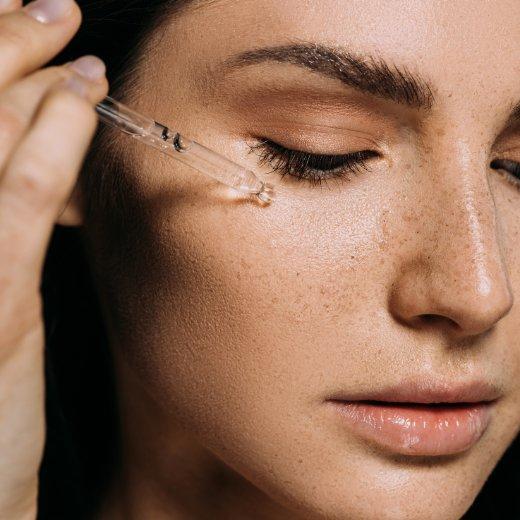
Skin Condition Risks
Certain skin conditions are more prevalent in specific skin types. For instance, rosacea is more common in lighter skin, whereas vitiligo can be more severe in individuals with darker skin. While these conditions can affect anyone, knowing your higher risk can help you monitor changes and consult a dermatologist when needed.
Scarring
When injuries occur, the body heals by forming scar tissue. Some individuals develop keloid scars, which are raised and can be uncomfortable. Those of African descent may face a higher likelihood of keloid scarring.
Although treatments exist for keloid scars, awareness is essential, especially if you're considering tattoos or piercings.
Skin Cancer
We've established that skin pigment offers some protection against sun damage, including skin cancer. However, lighter-skinned individuals are generally more susceptible to skin cancer. When darker-skinned people do develop skin cancer, it can often be more aggressive.
In darker skin, cancer might appear in less typical areas, such as under nails or on the soles of the feet. Regular skin cancer screenings are vital for everyone, regardless of skin color.
Recognizing Your Skin's Unique Needs
Every individual's skin has unique characteristics and requirements. By understanding how skin color influences your skin's needs, you can create a personalized skincare routine that promotes healthier, more radiant skin.
Explore skincare for different skin tones