
Throughout the years, I have explored various strategies in organizing, decluttering, and minimalism, testing different approaches to maintain a tidy environment. As both a personal interest and a journalist covering homes, I've learned that clutter often piles up when life gets hectic.
It's no surprise that the busier I become, the more clutter tends to gather in my living space. This happens because I lack the time to keep track of what enters and exits my home, ultimately leading to feelings of being overwhelmed by disarray.
This realization led me to the one-in-one-out rule, a simple yet effective method that encourages thoughtful purchasing decisions. It seemed like a practical solution for my busy lifestyle, and I found it easy to implement long-term. The results were remarkable, fundamentally changing how I view shopping. Here's a breakdown of my experience with it.
Understanding the One-In-One-Out Method
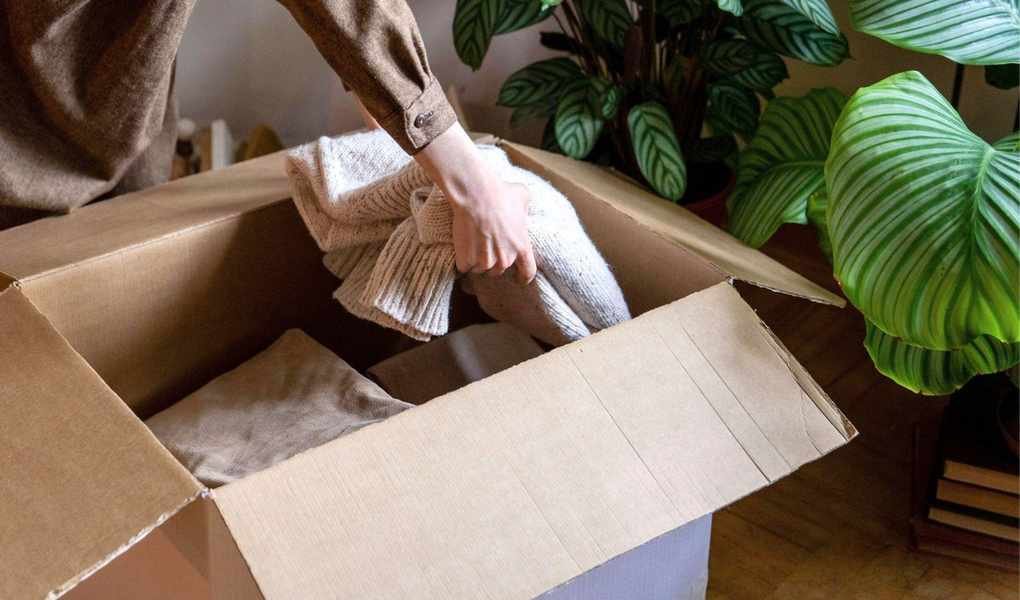
The one-in-one-out decluttering rule is straightforward: for every new item you bring into your home, you must part with an existing item to create space. This outgoing item can be from the same category (for example, if you buy a new sweater, you can let go of an old one), but it isn't a strict requirement.
This ongoing exchange helps maintain a consistent volume of belongings in your home, preventing a slow build-up that leads to either overwhelm or clutter blindness. The necessity of removing an existing item whenever you make a purchase encourages a more reflective shopping mindset.
Punteha van Terheyden, head of Solved, mentions, "This approach requires mindfulness since you must mentally review your current possessions at the point of sale, whether online or in-person. Realizing you already own multiple similar items can halt impulsive decisions. For example, you might reconsider buying another cream winter jacket if you already have three at home."
To give this method a try, I set up an empty box to collect items I wanted to part with. This way, at the end of a month-long trial, I could easily see how much I had decluttered without excessive effort. With that, I resumed my life following the rules of this challenge.

Baskets not only enhance the visual appeal of your home, but they also help manage clutter if placed strategically as functional drop zones. Just remember to commit to putting items back in their designated spots regularly.
My Overall Experience with the Challenge

Some of my 'out items: jewelry and a scarf from my closet that I never reach for, beads for crafts I've never used, and Christmas wax melts still brand new from last year.
Taking on this challenge was simple and didn't require much time. In the first week, I noticed how easily I could buy items without a second thought. However, as the challenge progressed, I began to critically evaluate whether I truly needed something while shopping.
I developed a good habit of decluttering as I went along, unpacking my purchases and counting the new items before locating equivalent items to let go of. This system worked well for me and helped maintain my commitment to the challenge.
Interestingly, I found myself reflecting on the distinctions between needing, wanting, and liking items. This shift changed how I spent money both in stores and online, as well as what I chose to donate or sell.
What I Appreciated About the One-In-One-Out Method

My room
I found this challenge easy to maintain after getting started. One day, I came home with two adorable Halloween-themed bracelets, completely forgetting they counted as new items until the next day. As the days passed, the 'out' portion of the challenge became second nature, whether the new item was a book, a gift, or a discounted mug I found.
Additionally, I appreciated how the challenge was rooted in a philosophical concept akin to non-attachment theory. It encouraged me to reflect on why I hold onto certain possessions. This mentality fostered a new perspective: thinking of each new item as something that enters my life to serve me, prompting me to remove something that no longer serves its purpose, allowing it to benefit someone else.
Implementing the one-in-one-out rule felt effortless and quickly blended into my daily life. It served as a gentle reminder, helping me avoid cluttering my space with unnecessary items.
Challenges Faced with the One-In-One-Out Method
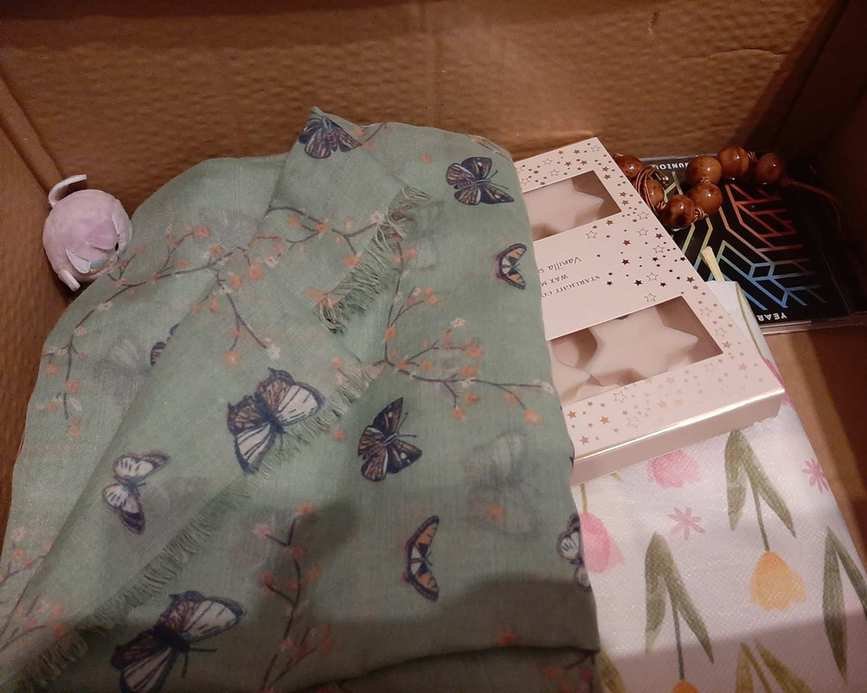
My box of 'out' items gradually filling up with things to donate.
Despite its benefits, I encountered some challenges with the one-in-one-out method and recognized the importance of setting boundaries for it to be effective.
For example, I had been in need of a new ergonomic chair for some time. While using a chair from downstairs, I finally found a suitable one. However, I faced a dilemma: the old chair wasn't being removed but simply relocated back downstairs. Did I need to part with another item since the new chair was a necessity rather than a luxury?
Additionally, what if I was buying temporary items, like greeting cards for friends or flowers? While they do occupy space in my home, they are not permanent additions.
After recognizing these issues, I decided to adjust my approach to the one-in-one-out challenge:
- If the new item is a necessity, I won't be required to remove something else.
- If the purchase is intended as a gift for someone else, I won't need to let go of another item.
- I won't restrict myself to sticking to specific categories. For instance, if I buy a cozy cardigan for winter, I don't have to donate another cardigan.

Using matching velvet hangers while decluttering can help reduce visual clutter. Group any spares together to prevent them from adding to the visual chaos in your closet. Additionally, organizing hanging items by type can create a visually appealing arrangement that decreases the feeling of clutter.
Moving forward with a more flexible interpretation of the challenge greatly improved my experience. Before starting this for yourself, it's worth taking some time to consider what terms will work best for your lifestyle, or just feel free to adapt as you go along.
However, it's crucial to uphold the main principle of one item in, one item out. Otherwise, you might end up creating too many exceptions that prevent you from removing anything, which would defeat the purpose of this decluttering strategy.
Final Thoughts and Recommendations

Some of my 'in' items: two books I'm excited to read, festive bracelets relevant to autumn (my favorite season), Christmas decorations I'm looking forward to making, and a plush of Little Miss Hug.
This method is excellent for maintaining a manageable level of clutter and encouraging mindful buying habits. However, if your goal is to create more space in your home, it may not be the most effective approach.
It's a strategy worth trying, especially if you notice signs of clutter overwhelm in your life. Just be aware that if you don't remove an equivalent item for the new one, you may inadvertently increase the quantity of belongings you have. For instance, if you buy a throw blanket but donate a piece of jewelry, you are technically following the rule but it may not yield a significant impact. In such cases, the one-in-two-out approach may prove more effective.
On a scale of effectiveness in decluttering, I would rate this method a 2/10, but as a way of living, a 9/10. I believe everyone can benefit from observing the principle of one item in, one item out, as it promotes mindfulness and under-consumption regarding possessions.
Implementing the one-in-one-out method after a thorough declutter can work best in tandem, as it helps keep your space organized for the long term.
If you've always struggled with decluttering, there are steps you can take to make the process more manageable. Here, we share tips that professional organizers suggest avoiding to simplify your decluttering journey.