
Do you have a crawl space? If so, have you considered whether it's insulated? An uninsulated crawl space can cause a range of problems in your home, but these issues can be resolved with proper insulation.
Without adequate insulation, moisture can accumulate beneath your home, leading to dampness and potential mold growth, along with structural complications and escalating heating costs. By adding insulation, you can significantly reduce moisture buildup, save on costly repairs, and enhance your home's energy efficiency, thereby lowering energy bills.
In this article, two experts share insights on why insulating a crawl space is essential, the materials required, and how to go about it.
Why Insulating a Crawl Space is Essential
John Parks, COO at Advanced Insulation System, emphasizes, 'Insulating a crawl space is vital for maintaining a healthy and energy-efficient home.'
But what's the reason behind this? A crawl space sits beneath the first floor of your home, typically one to three feet above ground level, which may be a dirt floor or gravel with uninsulated walls. If left unattended, this can create problems throughout the year.
In the summer, warm air can enter the cool crawl space, resulting in condensation. In winter, cold air can saturate the crawl space, leading to a chillier home that is less energy-efficient and incurs higher heating expenses. Hence, adding insulation is a key step in maintaining warmth in your home.
Older homes often lack insulation, as Jamin Katzer, Senior Construction Manager at Earth Saving Solutions, points out: 'Current codes mandate that any concrete or exterior wall must be insulated. If your home was built prior to this code, check whether any insulation is present to determine if the crawl space needs it.'
Proper insulation installation can help mitigate future issues and minimize long-term damage to your home. However, Katzer advises, 'Consulting a local contractor is advisable, as different regions in the U.S. have varying requirements and conditions for insulation and moisture barrier applications.'
Signs Your Crawl Space Needs Insulation
Your crawl space might lack insulation entirely, or it may have old insulation that's no longer effective and requires replacement. Parks highlights the indicators that suggest your crawl space needs insulation.
Moisture or Dampness
If you observe water accumulation or persistent dampness, it indicates that your crawl space is exposed to external moisture, which insulation can help control.
Mold or Mildew Presence
The appearance of mold or mildew signifies excess moisture and inadequate insulation. Effective insulation and vapor barriers can greatly reduce this risk.
Chilly Floors Above the Crawl Space
If the floors above feel unusually cold, especially during winter, it's likely due to insufficient insulation in the crawl space beneath.
Rising Heating and Cooling Bills
Unexpected increases in your energy bills can often be traced back to inadequate insulation, allowing heat to escape during the winter and enter during the summer.
Best Insulation Materials for Your Crawl Space
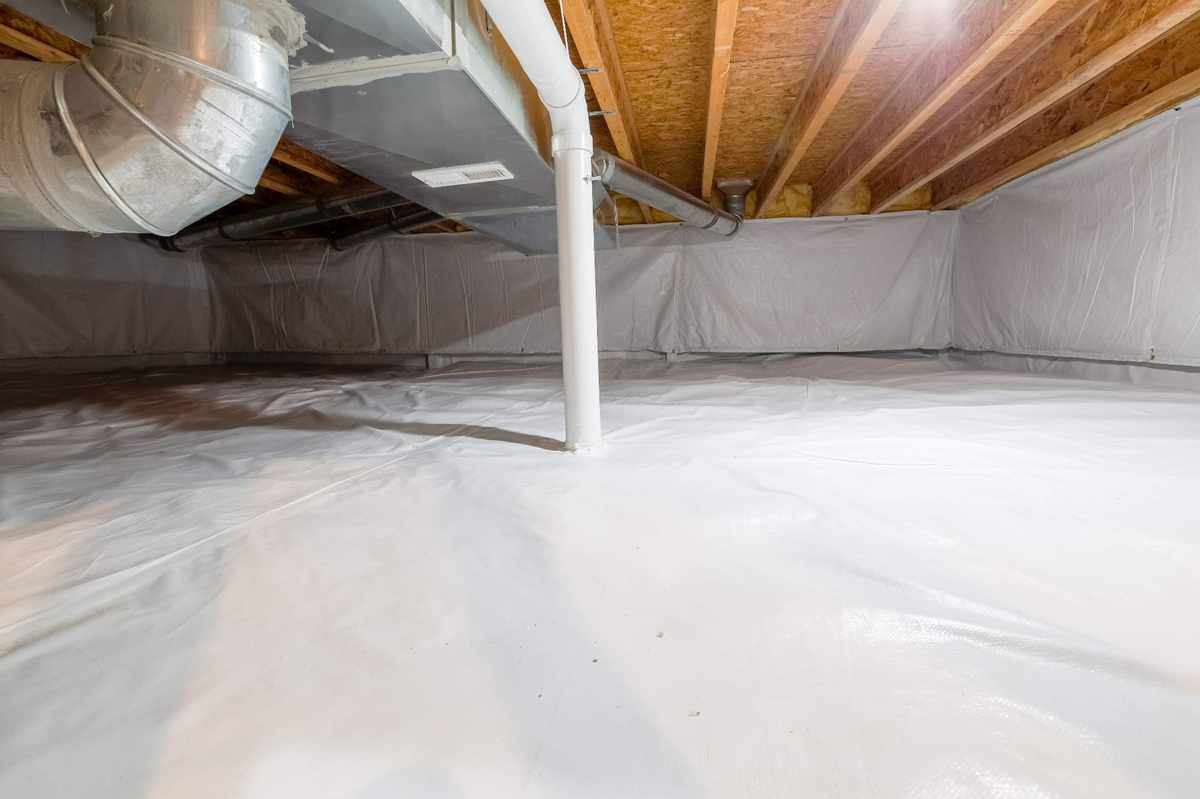
There are various options for insulating a crawl space, each with its own advantages and disadvantages. Selecting the right insulation material is crucial for effectiveness. John Parks recommends these materials:
Closed-Cell Spray Foam Insulation
This insulation type offers outstanding moisture resistance and a high R-value per inch, making it perfect for crawl spaces that need both a vapor barrier and insulation.
Rigid Foam Board
This option provides moisture resistance and can be cut to fit snugly against foundation walls, making it effective for insulating both the walls and floor of a crawl space.
Fiberglass Batts
While not always the top choice due to moisture issues, fiberglass insulation can be suitable in crawl spaces if proper vapor barriers are in place and if installed correctly to prevent sagging and moisture buildup.
Mineral Wool (Rockwool)
Renowned for its fire resistance and moisture repellent properties, mineral wool is another excellent option for crawl space insulation, offering both thermal and acoustic benefits.
Understanding Insulation R-Values
When selecting insulation, R-values indicate its effectiveness; a higher R-value means better insulation. However, requirements can vary by state, as Jamin Katzer explains:
'In Colorado, we are required to use R-11 or more for walls and R-13 for ceilings,' he notes. If you're unsure, it's wise to consult a local general contractor for guidance.
'We recommend installing rolled R-11 Owens Corning insulation on basement walls,' Katzer continues. 'This is easy to attach and provides continuous protection, needing to be placed 4" above the dirt floor to prevent deterioration.'
For ceilings, he advises, 'Installing batt R-13 Owens Corning insulation in the ceiling with added straps to keep it in place will help maintain a consistent floor temperature in your home while also providing some sound dampening.'
Adding a moisture barrier on the floor is also advisable.
Three Key Tips for Insulating a Crawl Space
'Insulating a crawl space can be tricky since attaching insulation to concrete walls or keeping it in ceiling bays isn't straightforward,' explains Katzer. However, with the right tools and some expertise, it's more manageable than you might think:
1. Utilize a ram-set gun to install insulation on concrete walls, ensuring the insulation is kept 4" above the grade or dirt for optimal results.
2. For ceilings, place a twine or strap every 12" that runs perpendicular to your joists to secure the insulation in the ceiling bays.
3. While adding a moisture barrier might be a good option, it can be challenging due to plumbing, electrical, and venting systems that may obstruct installation.
What is the Typical Cost for Crawl Space Insulation?
The cost to insulate a crawl space can vary based on several factors, but generally, expect to pay around $3,500 for a contractor to insulate a 1,000 sq ft crawl space. The size of your crawl space will directly affect the overall cost, as larger or smaller spaces will require more or less material and labor.
Material choices also play a significant role in total expenses, with rigid foam board and fiberglass batt being the more budget-friendly options. Prices may differ based on brand, but if you have DIY skills, you can save some money by doing the installation yourself.
Spray foam insulation tends to be the priciest option, typically requiring a contractor for installation. It's advisable to consult with several local contractors to understand the costs in your area.
Insulating any part of your home contributes to a more comfortable living environment. For additional tips, check out our guides on How to Insulate Pipes and How Much Does It Cost to Insulate an Attic, to further improve your home's energy efficiency.