April marks not just the arrival of spring showers but also Rosacea Awareness Month! This is a perfect time to explore a common question: how can you tell if you have adult acne or rosacea?
These two skin conditions can appear strikingly similar, both leading to bumps and breakouts on your face. While consulting a dermatologist is the best way to get a definitive answer, there are some useful questions to help you figure out whether your skin issues stem from rosacea or adult acne.
How Does Your Skin Appear Besides the Breakouts?
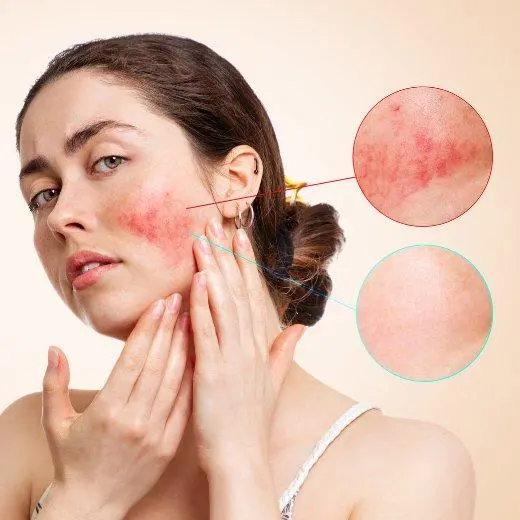
While the pimples might catch your attention first, don't forget to examine the skin around them. Rosacea usually presents with a red, flushed appearance in addition to the blemishes, whereas acne-related inflammation tends to be localized to the spots themselves.
When Did You First Notice Symptoms?
Everyone's skin journey is different, but rosacea often appears after age 30. If your symptoms began around this age, you might have rosacea. Adult acne, however, can emerge at various stages; some individuals experience it in their teens, while others may not develop it until their later years.
Where Are Your Symptoms Located?
While both conditions can look alike, their locations can provide clues. Rosacea typically affects only the face, especially areas like the cheeks, nose, and forehead, and occasionally the eyes. Acne can appear anywhere, including the back and chest.
What Do Your Blemishes Look Like?
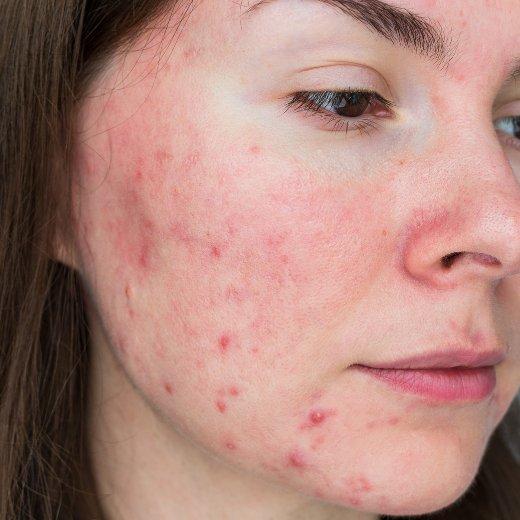
Different types of blemishes can hint at whether you have acne or rosacea. Acne can manifest as red bumps, whiteheads, blackheads, or cysts. In contrast, rosacea generally leads to red pimples without the presence of whiteheads or blackheads.
Do You Experience Trigger-Induced Flushing?
A significant indication of rosacea is frequent flushing triggered by various stimuli. Triggers can differ for each person, but common ones include heat, exercise, sun exposure, spicy foods, or alcohol. This flushing might persist for several minutes to hours, unlike acne, which typically doesn't cause flushing.
Are There Any Eye-Related Symptoms?
Though less common, rosacea can affect your eyes, leading to sensitivity, redness, or swollen eyelids. Acne does not usually influence the eyes, making these symptoms more indicative of rosacea.
Does Your Family Have a History of Skin Issues?
Both conditions can have a genetic component, particularly rosacea. If family members have experienced either condition, this could offer insight into your own skin issues. Keep in mind that many individuals with rosacea remain undiagnosed, often mistaking it for sensitive skin or frequent blushing.
Steps to Take if You Think You Have Rosacea
The above points can help you gauge whether you're dealing with rosacea or acne. If you suspect rosacea, here's what to do next.
Schedule an Appointment with a Dermatologist
Ultimately, a dermatologist is the only professional who can confirm a diagnosis of rosacea and recommend suitable treatments. Remember, rosacea is a chronic condition, but with the right medications, you can manage your symptoms effectively.
Identify and Avoid Triggers
Since rosacea often flares up due to specific triggers, keeping a journal can be helpful. Note when your symptoms worsen and what might have caused it. For instance, do you notice increased redness after exercising or consuming certain foods? Identifying these patterns can help you avoid triggers in the future.
Choose Gentle Skin Care Products
If you have rosacea, your skin may be more sensitive than usual. This means opting for milder skincare products is essential. Avoid harsh treatments like exfoliants and peels until your symptoms are under control, and instead, focus on moisturizers designed for sensitive skin.
Understanding Your Skin Better
Regardless of whether you have rosacea, gaining insight into your skin's specific needs is beneficial. This knowledge empowers you to make more informed choices about your daily skincare routine. With the right awareness, you can enhance your skin's health and appearance!