
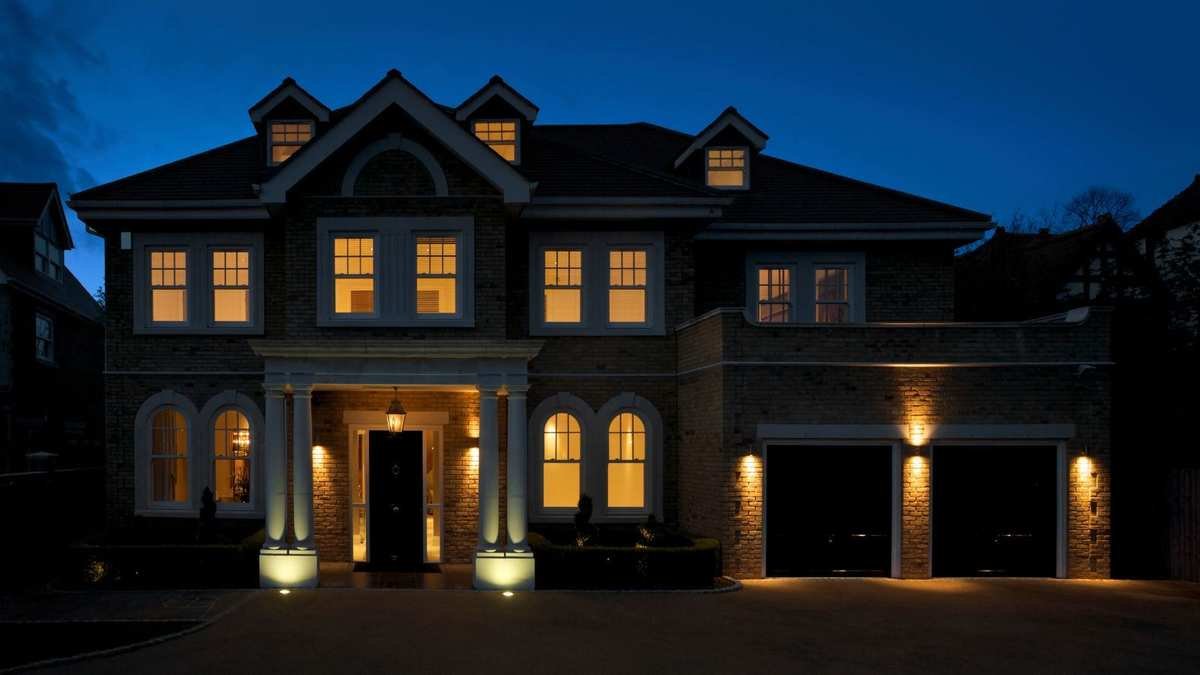
While garden security lighting might not seem essential for those cozy evenings outdoors, it plays a crucial role in keeping your space safe.
In the UK, there were 595,000 garden thefts last year, according to statistics. This marks a 23% increase since 2017 and represents a staggering 90% of all household thefts. Items like bikes and lawnmowers are frequently stolen.
It's not just your bicycle you need to worry about. Strategically placed outdoor lighting can discourage burglars from approaching your property.
With a home burglary occurring every 25.7 seconds in the US, implementing every security measure is wise.
Main Types of Garden Security Lighting
FLOODLIGHTS
Floodlights are perfect for when you need intense brightness, casting a wide beam ideal for driveways and walkways.
Check the Ingress Protection rating on outdoor lights for waterproofing. An IP43 rating is the minimum to withstand rain and splashes.
SPOTLIGHTS
Spotlights offer similar brightness as floodlights but with a more focused beam, typically no wider than 45 degrees, making them great for specific areas.
WALL-MOUNTED LAMPS
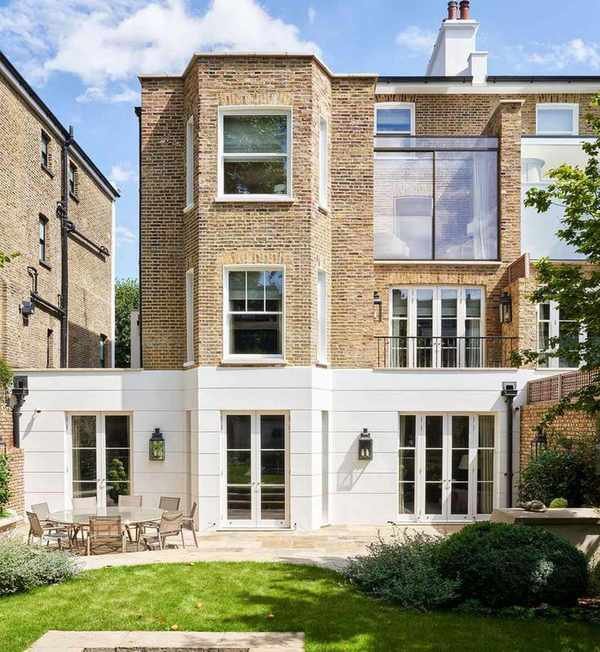
Often powered by mains electricity, these lamps are ideally positioned beside your front door, a prime location for security lighting.
MOTION-SENSOR LIGHTS
Using a Passive Infrared (PIR) sensor, these lights activate with heat and movement, conserving energy by only turning on when needed.
SOLAR PIR LIGHTS
Solar garden lighting ideas typically feature LED sources and provide four to six hours of illumination.
Are LED Security Lights Effective?
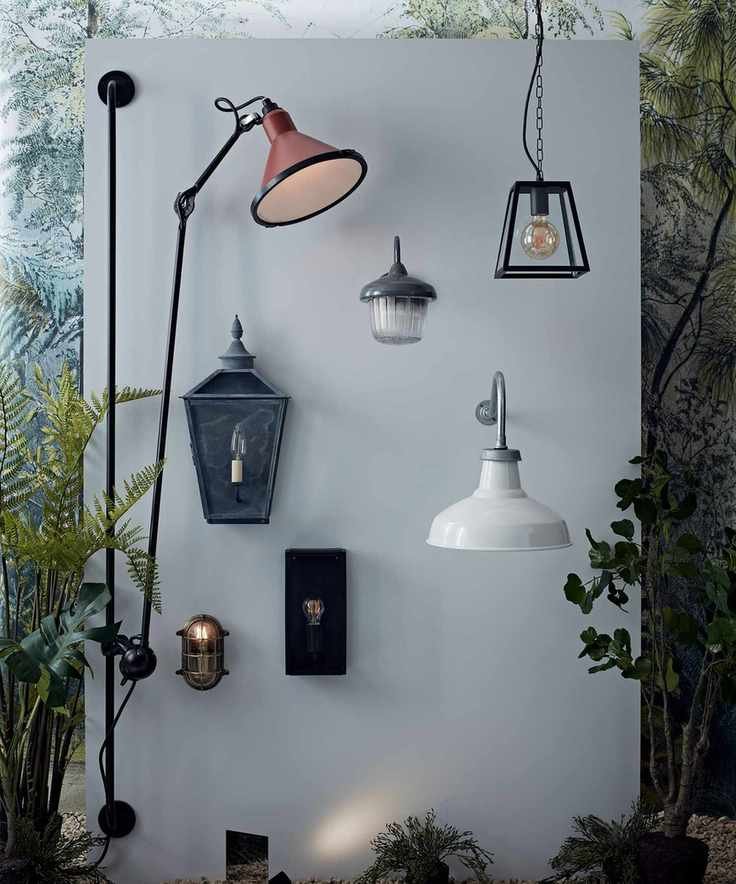
LED security lights are popular for their efficiency. Though initial costs can be high, they significantly reduce energy bills over time. They can last around 30,000 hours, far exceeding the lifespan of conventional bulbs.
Battery-powered options are also available, providing bright illumination even during outages, although they might not be as bright as wired models.
How Many Lumens Are Needed for Outdoor Security Lighting?
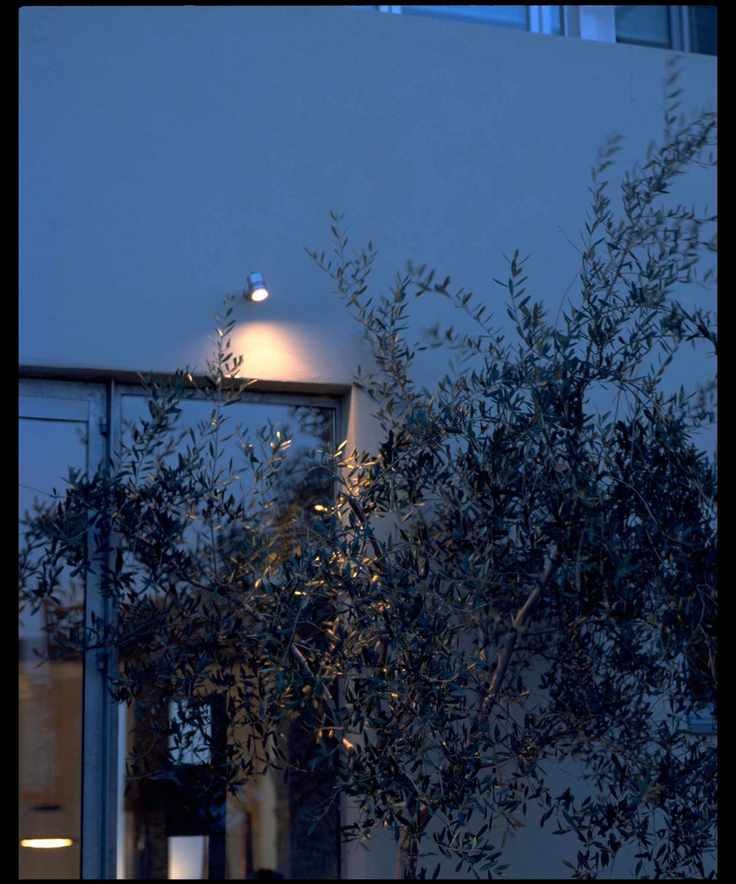
According to experts, the required lumens depend on your outdoor space size. A standard halogen car headlight emits about 1,200 lumens, serving as a good reference point.
Motion sensors generally start at 300 lumens, while floodlights range from 700 to 1300 lumens. Anything above 2,000 lumens is impressive and ideal for security-focused lighting.
However, effective placement of lights is just as crucial as their brightness.
Best Practices for Controlling Garden Security Lighting
During the day, it's impractical to have your lights on due to natural sunlight.
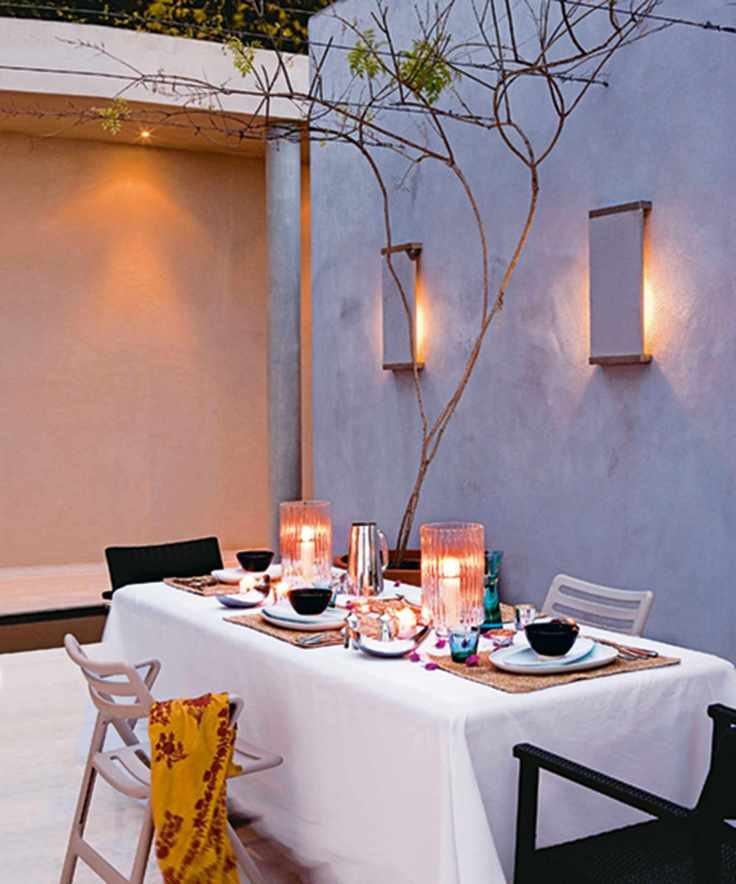
Leaving lights on continuously can lead to high energy costs. A PIR sensor is the simplest solution, activating lights upon detecting movement. For those wanting lights on from dusk till dawn, opt for models with built-in twilight sensors.
Do Motion-Activated Lights Deter Burglars?
Reports from 2017 indicate that motion-activated lights are a significant deterrent for thieves.
Since most break-ins occur within eight minutes, intruders typically target homes that appear easy to access. By illuminating vulnerable spots, you reduce the likelihood of a successful theft.
While having motion lights is beneficial, they work best alongside other safety measures, like ensuring all doors and windows are locked and setting timers for lights.
Can You Install Garden Security Lighting Yourself?
If you're handy or want to save money, installing garden lights can be straightforward without needing an electrician.
Choosing wireless options is ideal, as they don't involve wall drilling. Solar lights, for instance, simply need a spot with ample sunlight. For mains-powered lights, hiring a licensed electrician is recommended for safe installation.
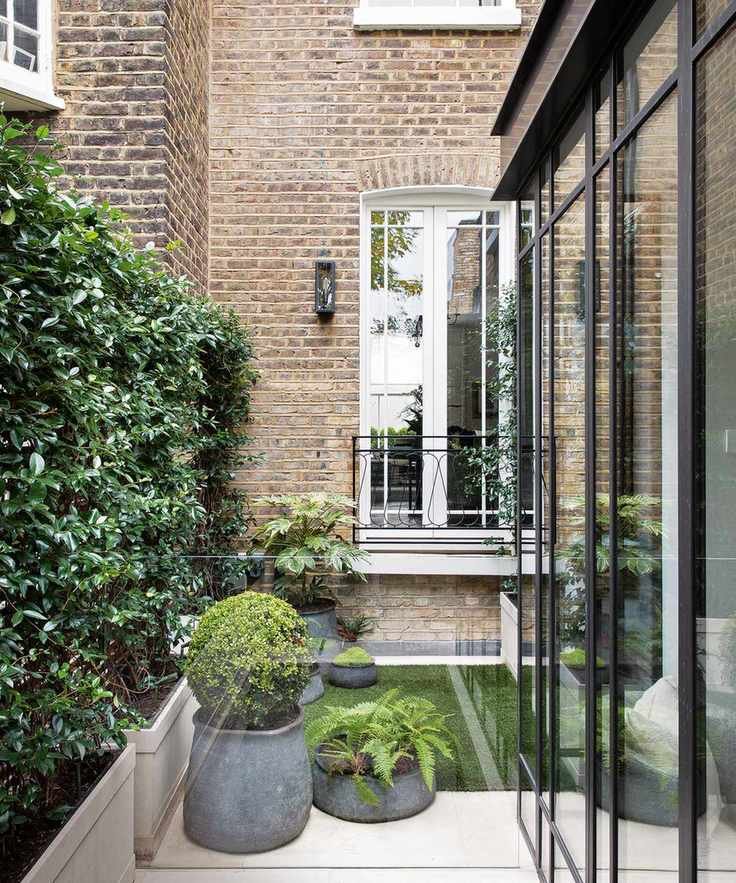
Identify which areas of your garden require illumination for security. Lighting above and beside your front door ensures visibility of visitors. Avoid positioning lights too high, as this can cast shadows on people's faces, making identification difficult.
Responsible lighting practices are essential. Consider your neighbors to ensure your setup doesn't disturb them while still fulfilling its purpose. If uncertain, consulting a professional landscaper might be wise.


