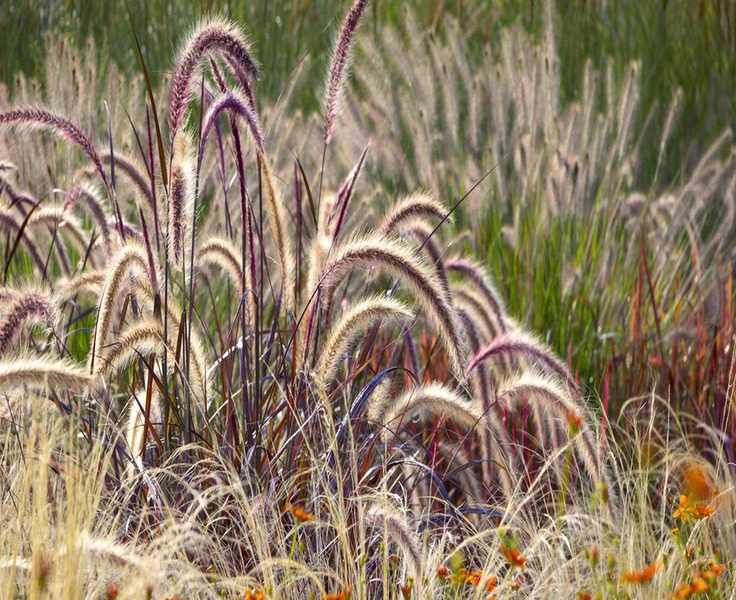
Spring is the perfect time to create an all-season garden planter that will enhance your outdoor space throughout the year, adding color, beauty, and delightful movement.
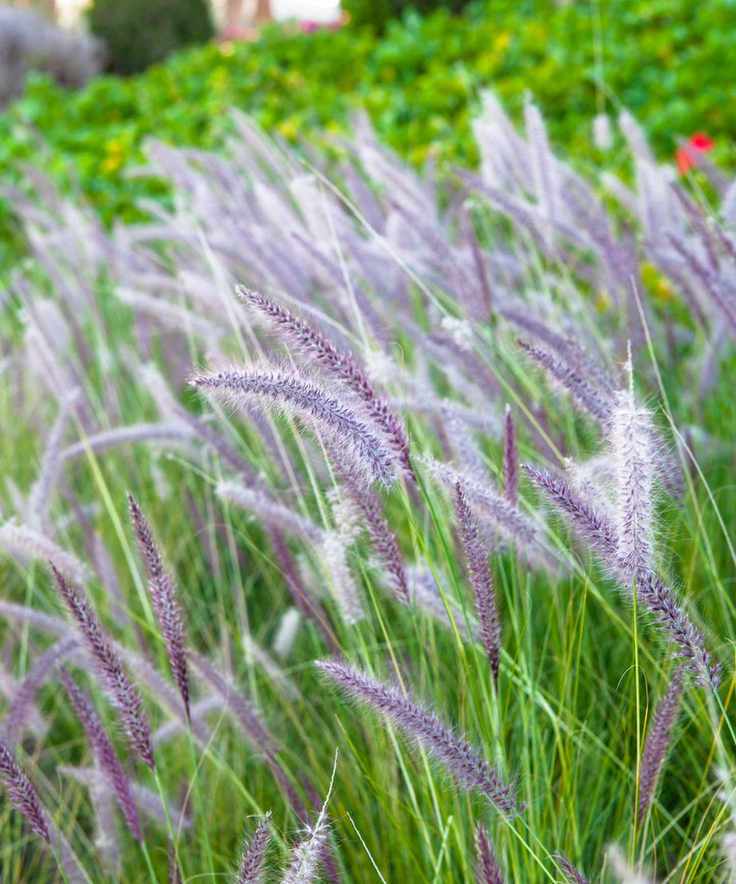
The featured plant is Pennisetum setaceum 'Rubrum', commonly known as purple fountain grass. This remarkable ornamental grass boasts striking burgundy leaves adorned with soft, bottlebrush-like flowers in shades of buff and claret.
If you want a plant that provides year-round appeal, this one is a fantastic choice. It's excellent for those seeking fresh ideas for container gardening to brighten up a patio or entrance this spring.
Reasons to Adore Purple Fountain Grass
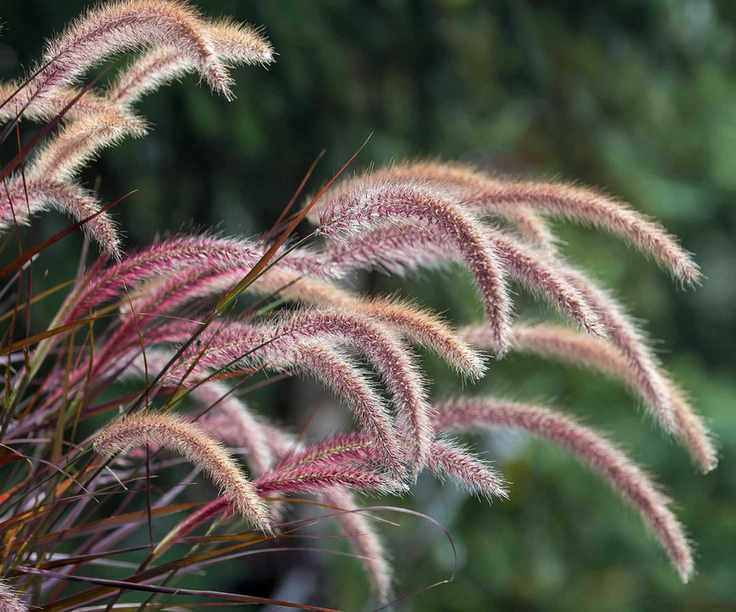
Renowned for its stunning color and graceful form, purple fountain grass is a favorite for adding movement and charm to sunny spots in the garden from spring until the first frost. It's a top selection for landscaping with grasses.
In spring, its new shoots emerge a rich dark red, initially highlighted by bright green accents. As they mature, they arch upward, reaching heights of about 5ft (1.5m), crowned with fluffy, touchable pink flower plumes.
You can find purple fountain grass available at Fast Growing Trees.
As summer shifts to fall, the feathery flower wands gradually transition to a light biscuit hue.
This grass is a half-hardy perennial, meaning outside USDA Zones 9-11, it's best grown as an annual or kept in containers that can be moved indoors during frost.
In my experience, it thrives in both my west-facing border and a pot on my balcony, where winter temperatures remain above -5°C (23°F).
Purple fountain grass favors well-drained, rich soil but doesn't do well in clay. Fortunately, growing it in a pot allows you to create the ideal drainage conditions for optimal growth.
Shop for purple fountain grass at Fast Growing Trees.
Important Considerations Before Planting
Before you plant purple fountain grass, note that it's considered invasive in several US states, including Florida, California, Virginia, Hawaii, and Maryland, where its planting may be restricted.
Additionally, it poses a fire risk due to its potential to ignite easily.
The 'Rubrum' variety is generally less aggressive than the P. setaceum species but can still reseed and invade surrounding areas.
It's wise to consult your local extension service and the US Invasive Plant Atlas prior to planting.
Selecting the Right Container
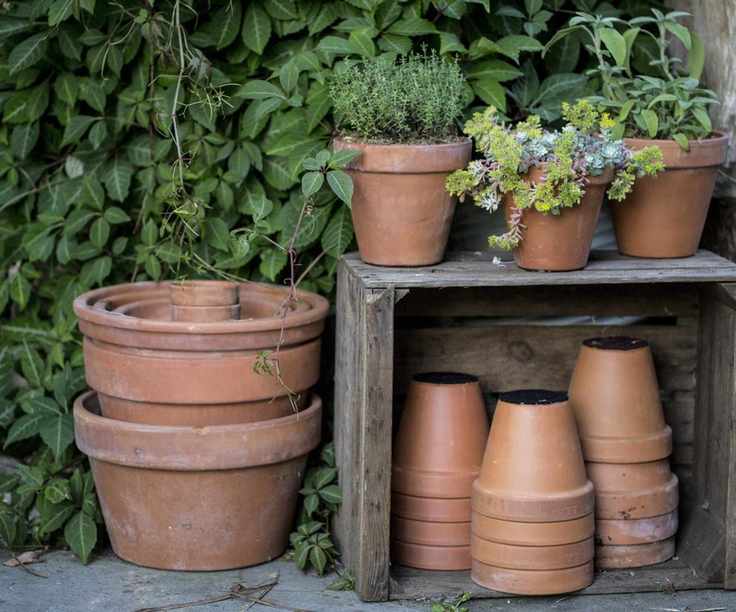
When choosing a pot for purple fountain grass, drainage is key. Ensure your container has drainage holes to prevent sogginess. If your preferred pot lacks these, you can drill holes but cover the area with tape to avoid cracking.
Choose a planter that allows this grass to reach its full potential, as it can grow to about 1.5m tall and 1.2m wide. In a container, it may only reach around 3ft (90cm).
Therefore, a spacious pot with a minimum diameter of 16in (40cm) and up to double that in depth is ideal to avoid a top-heavy appearance. Consider the elegant Opus Terrazzo planter from Wayfair or the 19in tall dark gray concrete planter from Wayfair for a modern touch.
Given its graceful shape, a curved pot like an urn, goblet, or vase will beautifully complement purple fountain grass.
Consider the stunning Barnacle Egg Planter from Anthropologie or Anthropologie's Seaside Urn for a charming entrance.
Finally, decide between terracotta, ceramic, wood, or metal for your planter. A complementary color like pink, purple, or chocolate will enhance your purple fountain grass beautifully.
Filling Your Container
Ornamental grasses are stunning and low-maintenance, perfect for hot, dry areas, whether in a garden border or a container.
The elegant, arching stems bring movement and beauty for months.
To thrive, they need rich, moist compost, and purple fountain grass is no exception.
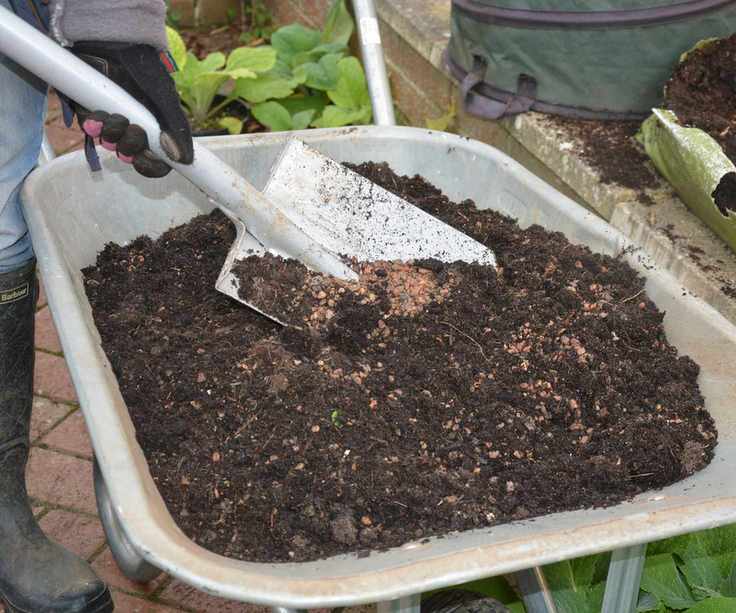
Opt for a high-quality peat-free loam-based mix, possibly combined with peat-free multipurpose compost or your garden compost if available. If your container is large, you can fill the bottom with materials to save on compost.
Spring is the ideal season to plant warm-season grasses like purple fountain grass. Soak your new plant in water for an hour before planting. If the root ball is pot-bound, gently tease it apart. Plant it in the center of your container, firming it gently, then give it a thorough watering.
For a polished finish, consider a pebble mulch over the compost surface in pots, especially for a single specimen plant.
A pale mulch with a hint of blush will beautifully complement your purple fountain grass. Mulching offers benefits like moisture retention and weed prevention.
Shop Rain Forest pink gravel at Home Depot.
Caring for Your Purple Fountain Grass
Low-maintenance grasses are a delight, and purple fountain grass fits this description perfectly. It needs minimal care throughout the year while still providing color and elegance.
Monitor moisture levels for purple fountain grass in pots, watering deeply when the top few inches dry out.
If you live in a frost-free region, you can leave your container outside during winter. Otherwise, move it to a greenhouse or another light, frost-free area until spring.
In early spring, trim it back to ground level, and new shoots will emerge shortly. Simple, right?
Companions for Purple Fountain Grass
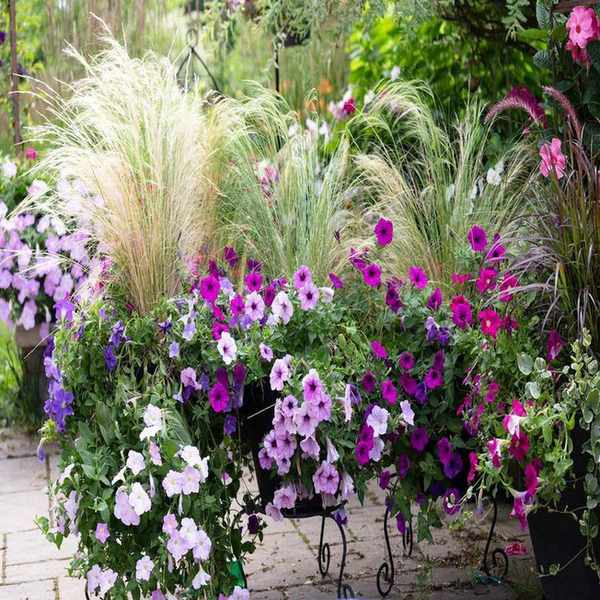
While a healthy purple fountain grass specimen shines on its own, adding a few plants can enhance the overall look.
For a temporary fill-in while your grass establishes, consider smaller grasses like Mexican feather grass to maintain the theme.
Alternatively, choose pink and purple-toned companions like begonias, heucheras, and violas. Low-growing dahlias and the delicate pink and white flowers of Mexican fleabane (Erigeron karvinskianus) pair well too.
Shop heucheras/coral bells at Nature Hills Nursery.
Shop ornamental grasses at Nature Hills Nursery.
If you're seeking an all-season container plant, look no further than ornamental grasses. Purple fountain grass and others flower in summer and continue to shift in color into fall and beyond, retaining their beautiful seed heads through winter.
Creating a container is a fantastic way to enhance your outdoor environment. With a stunning purple grass in your favorite pot, there's no reason not to try it out.