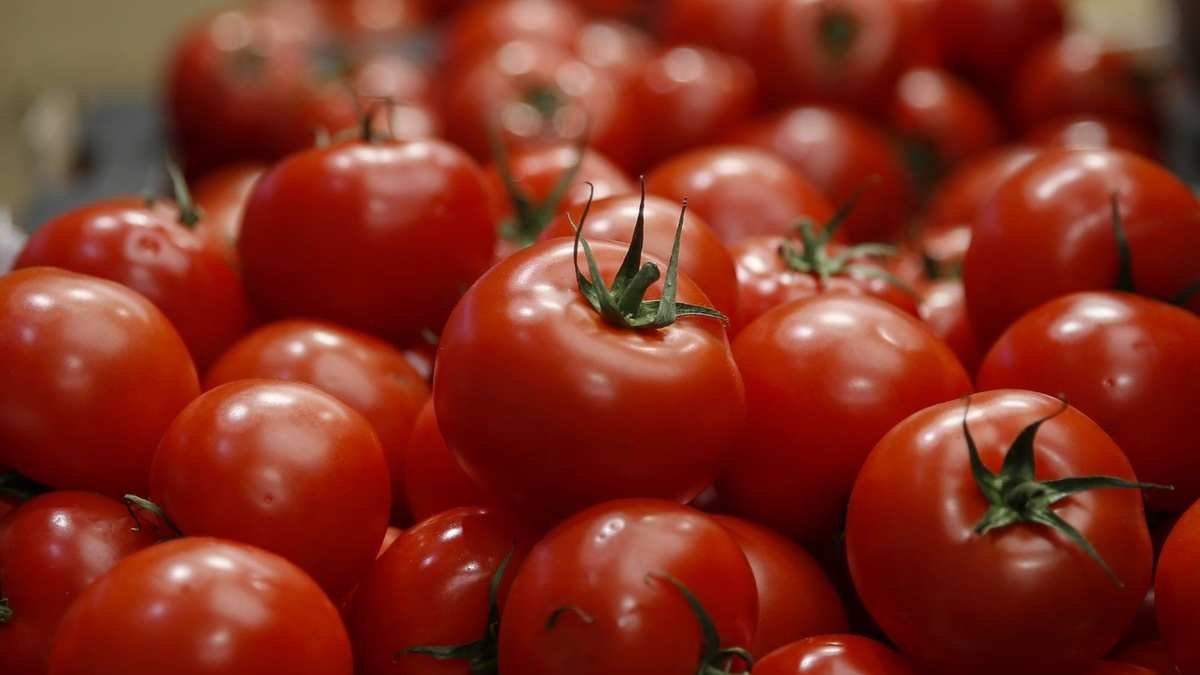
Tomatoes are widely recognized as a warm-weather crop that flourishes in sunlight, but they can also thrive indoors. You can successfully cultivate them right in your home.
Growing tomatoes indoors doesn't necessitate a greenhouse; simply place them near a south-facing window or in a sunroom. This allows anyone, even without outdoor space, to enjoy the process of nurturing and harvesting fresh tomatoes.
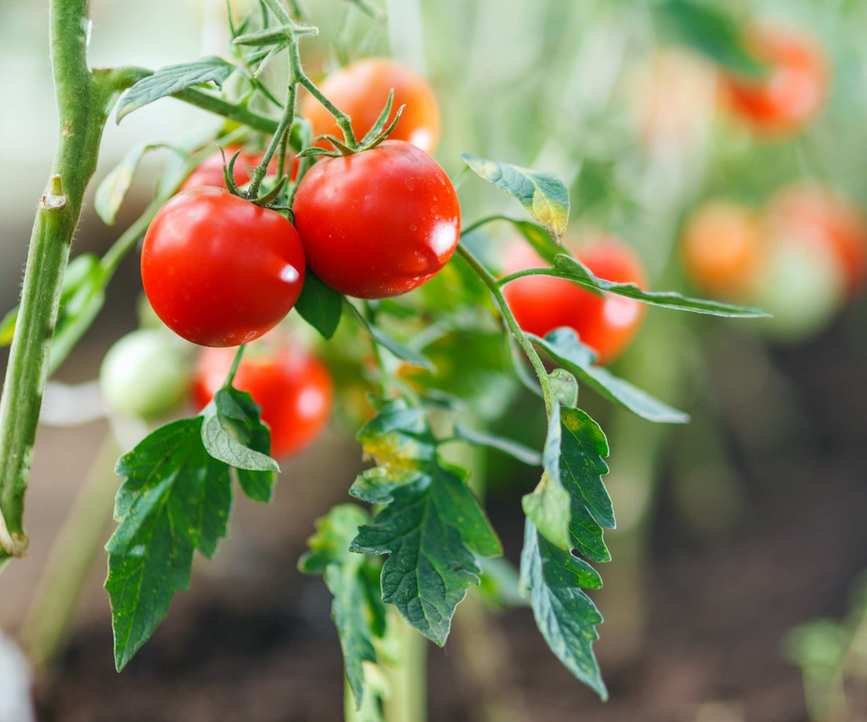
Tomato plants can flourish indoors with the right care
Can tomatoes be grown indoors?
Yes, tomatoes can grow indoors successfully if you provide appropriate care, warmth, and light. Mimicking outdoor conditions is crucial for healthy growth and fruit production, but it can be challenging.
Growing indoors helps you avoid pests and weather-related issues, allowing for a year-round supply of fresh tomatoes. However, it requires specific conditions and sometimes artificial lighting, which can limit growth space. Opting for compact varieties also helps manage space, though indoor yields may be lower compared to outdoor gardening.
A gardening expert suggests selecting the sunniest location, checking plants frequently, and investing in quality soil and lighting to minimize potential risks. Monitoring for pests or diseases promptly is vital, along with patience, as indoor tomatoes may take longer to mature than those grown outdoors.
Don't let challenges discourage you; an experienced tomato grower notes that while growing tomatoes indoors requires diligence, it can be a rewarding venture for home gardeners.

With over three decades of experience, Emily Jones launched a blog to help others enhance their tomato growing skills, covering topics from watering to pest control.
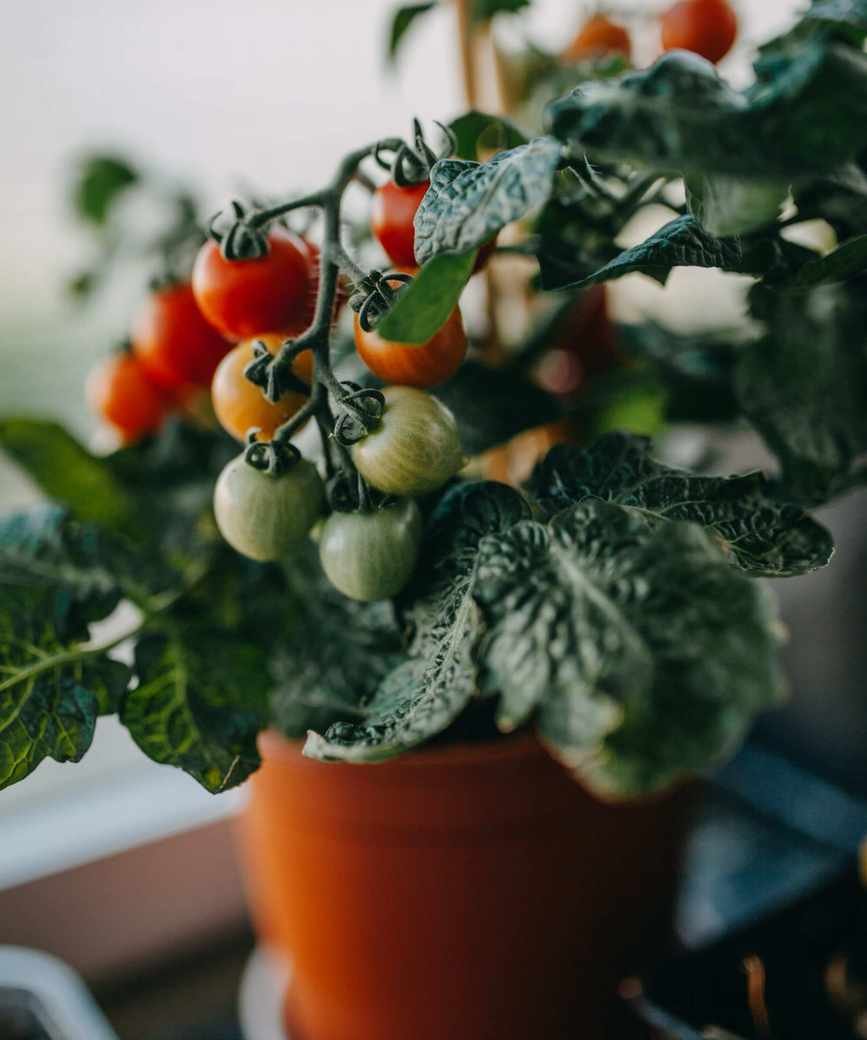
Light plays a crucial role in indoor tomato growth
Steps for Successful Indoor Tomato Growth
To thrive indoors, tomatoes require careful attention to factors such as pot size, soil type, light exposure, and maintenance.
Consider the following:
- Selecting the right pot: Opt for a pot with a diameter of at least 12-14 inches and depth of around 12 inches. Larger varieties need bigger pots, but smaller types can thrive in a 5-gallon pot with good drainage. Ensure pots have drainage holes and use a tray to catch excess water. Fill with well-draining organic compost, firm the plant in, and water thoroughly.
- Light exposure: Tomatoes require 6-8 hours of direct sunlight daily. Locate them in the sunniest part of your home, such as a south-facing window or sunroom. Daytime temperatures should be between 65-75˚F, cooling slightly at night. If natural light is insufficient, consider using fluorescent or LED grow lights to provide the needed spectrum and position them above the plants. Rotate plants regularly if not using supplemental lighting.
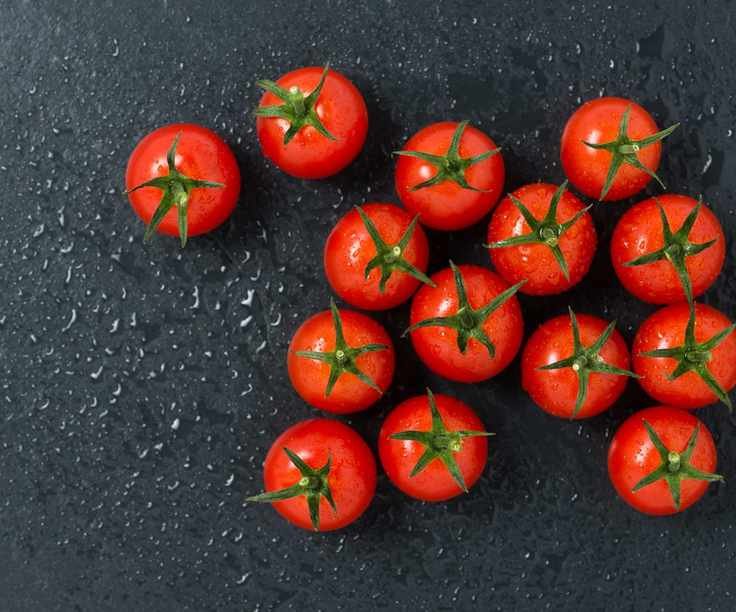
Smaller tomato varieties ripen faster indoors than larger ones
- Watering: Maintaining proper moisture levels is critical. Check the soil about an inch down to determine watering needs. Indoor tomatoes generally require more frequent watering than outdoor plants, thriving in consistently moist soil without becoming waterlogged. Regular monitoring can prevent issues like splitting and blossom end rot.
- Fertilization: Use a slow-release balanced fertilizer when planting, then switch to a weekly liquid fertilizer high in potassium once fruit sets. This ensures plants receive essential nutrients for growth.
- Pollination: Indoor tomatoes benefit from assistance with pollination. While they are self-pollinating, helping the process can enhance fruit set. A small fan can mimic outdoor breezes, and gently shaking flowering branches can aid pollination, especially during peak receptiveness.
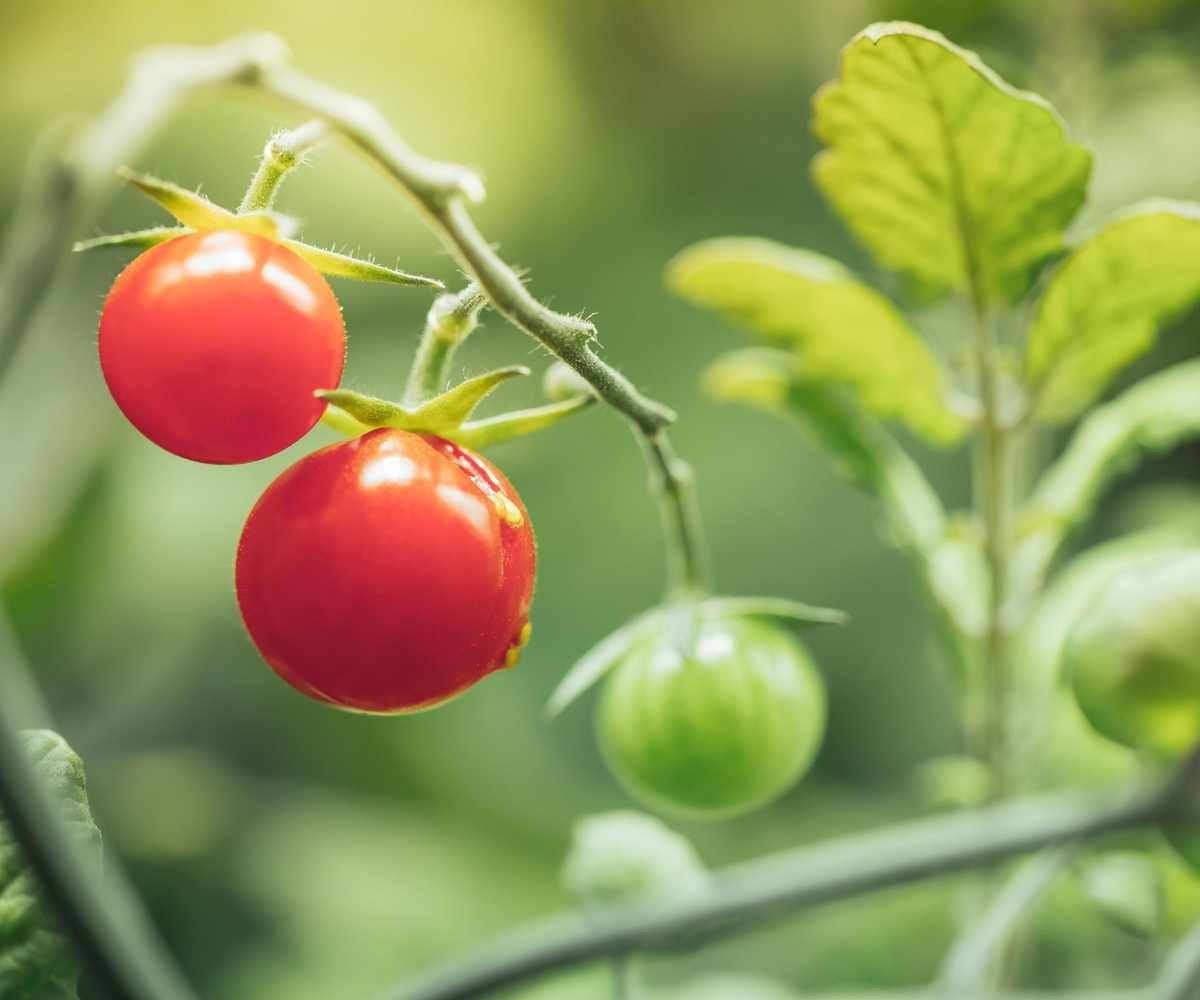
Consistent watering prevents fruit splitting
Best Tomato Varieties for Indoor Growing
Choosing the right tomato variety can simplify indoor gardening. While many types can grow inside, some are better suited for limited space and require less maintenance.
Focus on patio or bush varieties, also known as determinate tomatoes, which typically remain smaller and don't require pruning. Options like 'Tiny Tim', 'Tomaccio', or 'Gardener's Delight' are ideal for indoor growth.
Smaller fruiting varieties, such as cherry tomatoes, thrive in pots with minimal staking. A wide array of smaller plants is available, offering unique shapes and colors. You can start from seeds or purchase young plants from local nurseries or online.
Veranda Red Hybrid Tomato | $6.95 for 30 seeds at Burpee
A compact tomato plant from Burpee, reaching only a foot in height, making it perfect for pots on decks, patios, or windowsills.
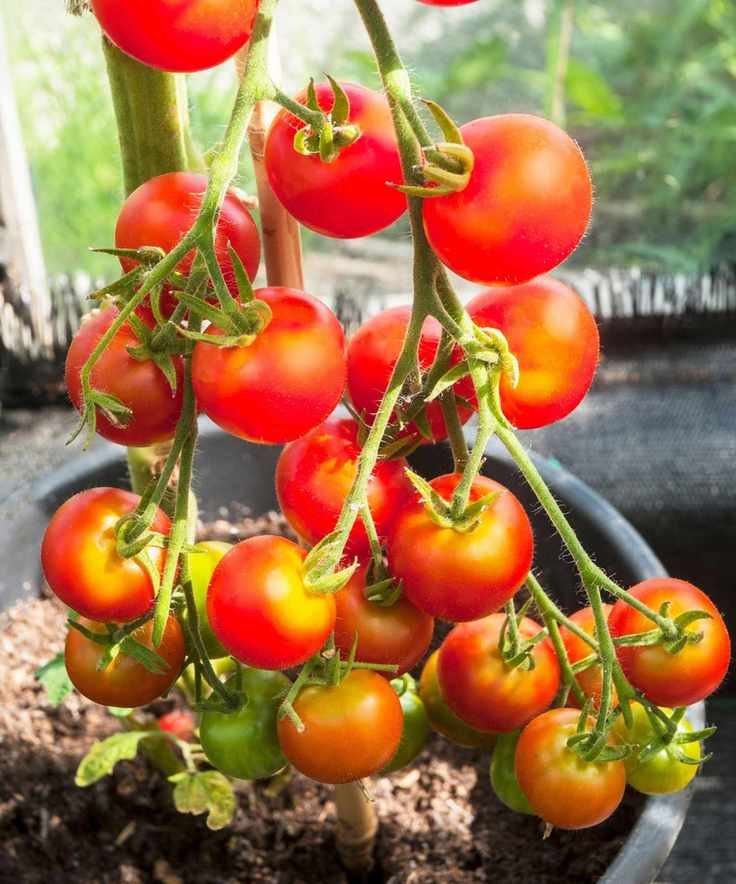
Gardener's Delight produces cherry tomatoes and is well-suited for indoor growth
Common Questions
Can tomatoes thrive indoors year-round?
Yes, you can grow tomatoes indoors throughout the year, but maintaining ideal conditions can be challenging. They require at least six hours of direct light and temperatures between 65-75˚F. You may need to supplement light and heat, especially in winter, and continuously sow seeds for a steady supply.
What is the lifespan of indoor tomato plants?
Typically, tomato plants are considered annuals, completing their lifecycle in one growing season. Indoor indeterminate varieties can last up to two years, as they produce fruit continuously. Determinate types generally yield all their fruit at once, conforming to a single growing season.
While growing tomatoes indoors presents challenges, it's a viable option for those without access to outdoor gardening. Cultivating tomatoes can be fulfilling, providing the joy of harvesting your own fresh produce.