Creating compost at home is an affordable and straightforward method to enrich your soil and provide essential nutrients for your plants, helping them thrive.
Achieving the right balance of green and brown materials is crucial for successful composting. Items such as kitchen scraps, grass clippings, dried leaves, shredded paper, and coffee grounds can all contribute. An unexpected yet highly beneficial ingredient to consider for your homemade compost pile is human urine.
While the idea of using urine in compost might make some people uncomfortable, it serves as an excellent source of nitrogen and can significantly accelerate the decomposition process. Plus, it's readily available, free, and easy to incorporate into any compost heap.

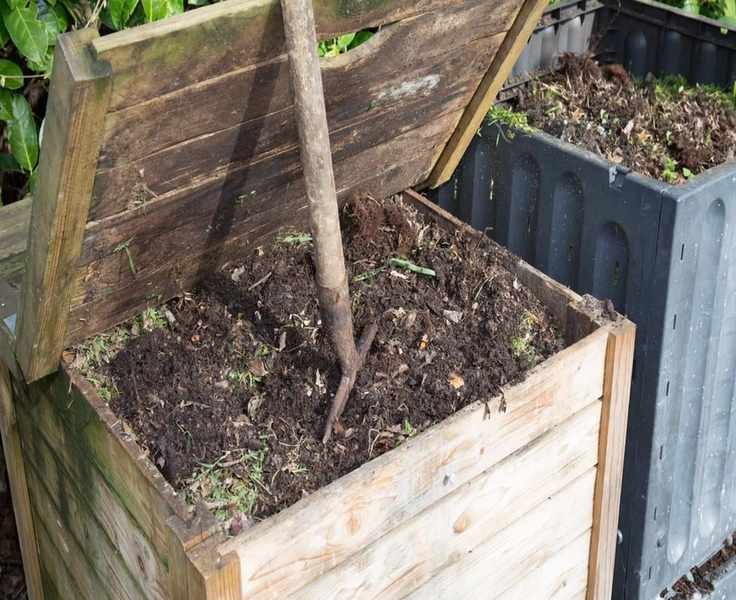
Effective compost relies on a proper balance of nitrogen-rich and carbon-rich ingredients

Drew is a former professional gardener with experience primarily with the National Trust in the UK, as well as in various productive kitchen gardens. Composting was a vital practice in the gardens he worked in, where they produced their own compost for use around the grounds.
Advantages of Using Urine in Compost
Composting is essential for any garden as it allows gardeners to transform what would otherwise be waste into something beneficial for plant growth. Adding compost can enhance all types of soil, leading to stunning flowers or abundant harvests in your backyard or vegetable patch. The term 'Peecycling' refers to the practice of recycling human urine to nourish plants and crops.
Human urine is advantageous in composting due to its high nitrogen content, as well as the potassium and phosphorus it contains. These three nutrients are crucial for healthy plant development, commonly represented as NPK on fertilizer labels.
In compost, urine acts as one of the 'green' layers, similar to grass clippings from lawn mowing and kitchen waste, which are all rich in nitrogen. However, the higher concentration of nitrogen in urine functions as a compost activator, effectively speeding up the composting process. This addition can be particularly beneficial for compost heaps that are decomposing slowly, newly established heaps needing a kick-start, or for breaking down tougher organic materials like leaves.
Alexia Allen, a garden and homestead consultant based in Woodinville, WA, describes urine as 'a fantastic nitrate fertilizer' and emphasizes the appeal of its cost-effectiveness. She wholeheartedly recommends adding urine to compost heaps at home.
'Many home composts lack sufficient plant-fertilizing power, and incorporating urine is a fantastic way to enhance nutrient levels without directly applying it to your garden. It allows you to capture your personal nutrients during the times when plants don't actively require them,' Alexia explains. 'Many individuals wish they had livestock to enrich their compost, but I tell them they can be their own livestock.'
Additionally, urine helps maintain moisture levels in the compost heap. The bacteria and fungi responsible for decomposition need moisture to function effectively, and a dry compost heap will hinder breakdown.
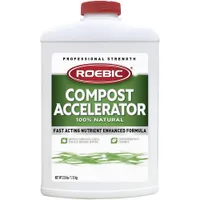 $14.78 at us.amazon.com
For those who prefer not to use urine in their compost, a compost accelerator can expedite the breakdown of materials. Simply layer it between each compost heap layer and ensure you water it well to enhance decomposition speed.
View Deal 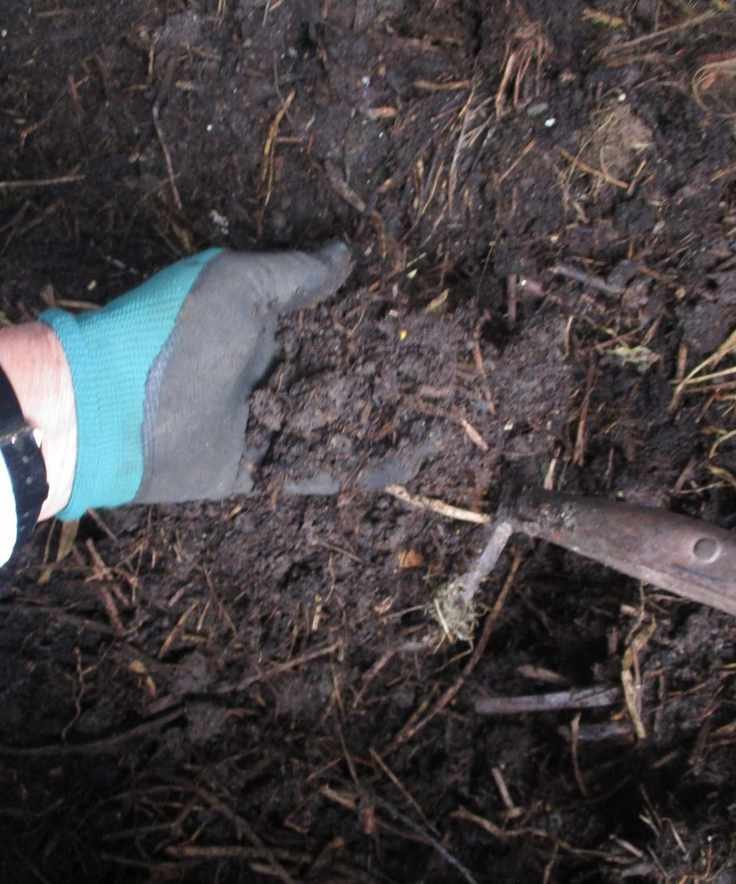
Compost can be ready in as little as four to six months if it generates enough heat
Ways to Add Urine to Compost
There are several methods for incorporating urine into a compost heap, and your choice may depend on personal preferences and the location of your compost.
The easiest approach is to urinate directly onto the heap itself, although this may vary in convenience and preference for different individuals. If privacy is a concern, you can also collect urine in a container to add to the heap, ideally within 24 to 48 hours.
Alternatively, you can add urine to straw before mixing it into the compost heap. An example of this method was successfully implemented by the National Trust in the UK, where they introduced straw 'pee bales' that male staff could use (outside of public hours) and later added to the compost heaps.
You can also utilize the nitrogen-rich properties of urine without having an existing compost heap. Alexia Allen recommends creating a large pile of leaves and applying urine to it over the winter. By spring, she asserts it will become 'extra-rich and crumbly, surpassing your typical compost'. This can then be added to a compost heap or directly used in the garden as a nutrient-rich leaf mulch.

Straw bales can be utilized for urination and subsequently mixed into a compost heap
Risks of Excess Urine in Compost
While human urine is sterile when it exits the body and safe to add to compost, caution should be exercised if the individual has a urinary tract infection or is on certain medications, as these may be present in trace amounts. It's important to use urine in moderation within compost due to its high salt content. Although humans urinate several times daily, it's not necessary to add all of it to the compost heap — too much can be detrimental.
The primary consideration when adding urine to compost is maintaining the balance of green and brown materials in your heap. Aiming for a 2:1 ratio of brown to green materials is ideal. Excess nitrogen-rich green material can lead to an ammonia smell in your compost heap. As urine is rich in nitrogen, ensure you incorporate additional brown materials like sawdust, leaves, cardboard, or straw to create optimal compost that can serve as one of the best types of mulch.
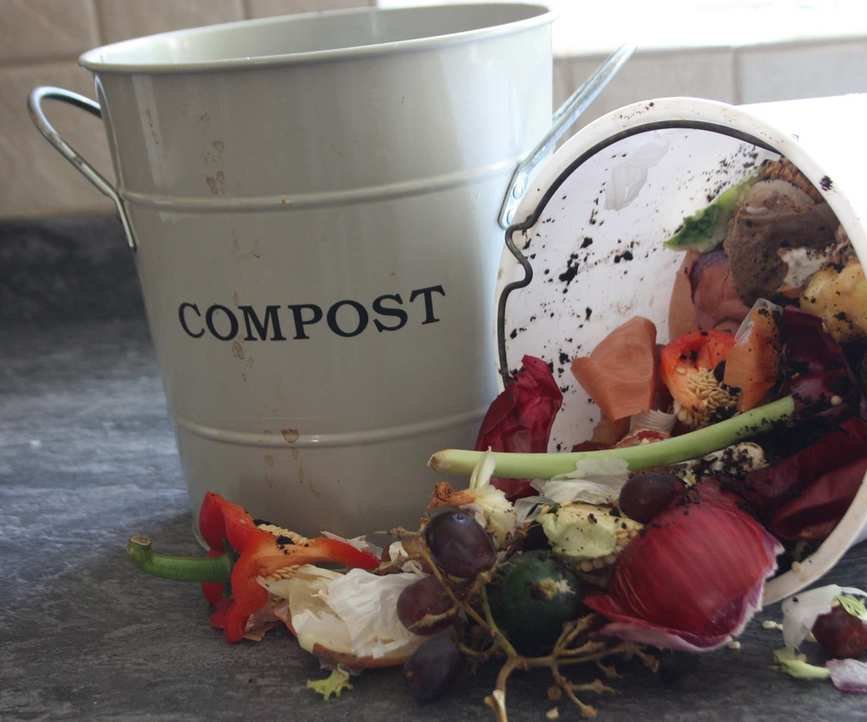
Kitchen waste is high in nitrogen and serves as a green material for composting
Additional Uses for Urine in Gardening
Urine is suitable for composting, but its high nitrogen levels make it unsuitable for direct application to many living plants. Brian Campbell, who holds a degree in Environmental Studies and is the founder of Water Filter Guru, cautions: 'Human urine contains significant amounts of phosphorus and nitrogen, essential nutrients for plant health. However, the application should be regulated based on the specific plant's needs. Some plants can handle undiluted urine, while others may require dilution to prevent adverse effects.' While it may be tempting to give some plants a nitrogen boost directly, it's wiser to reserve the urine for composting.
Online, you may find various recommendations for using urine in gardening. Some suggest diluting urine with 10 parts water as an effective fertilizer for container plants, while others advise applying it to mulches like leaf mulch or wood chips to hasten their decomposition.
Although it may seem unappealing to some gardeners, the advantages of adding urine to compost are worth considering. Not only is it rich in nitrogen, but it can also expedite the composting process — two significant benefits. It offers a free, natural way to nourish your garden and can lead to more vibrant flowers or improved crop yields.
If you're setting up a kitchen garden, it might be worthwhile to consider incorporating urine into your compost. You may not have thought about this before, but the benefits are substantial and certainly merit your attention.